
Modern Matter Blog
How to Clean Brass Hardware: Simple Steps for a Lasting Shine
A Complete Guide to Restoration and Shine
Brass adds warmth and character to any space, but knowing how to clean brass hardware isn’t always obvious because tarnish naturally builds over time. Below, we’ll break down the process into simple steps you can follow, whether you want a quick refresh or a complete restoration. You’ll also learn how to identify your brass type, gather what you need, and choose the proper cleaning method for light, moderate, or severe tarnish so your hardware looks bright again.
Before you begin cleaning, take a moment to understand the type of brass you have and how it was finished. These details influence which cleaning method is safe and which products you should avoid. A quick check now makes the rest of the process a lot easier.
Is It Solid Brass or Brass Plated?
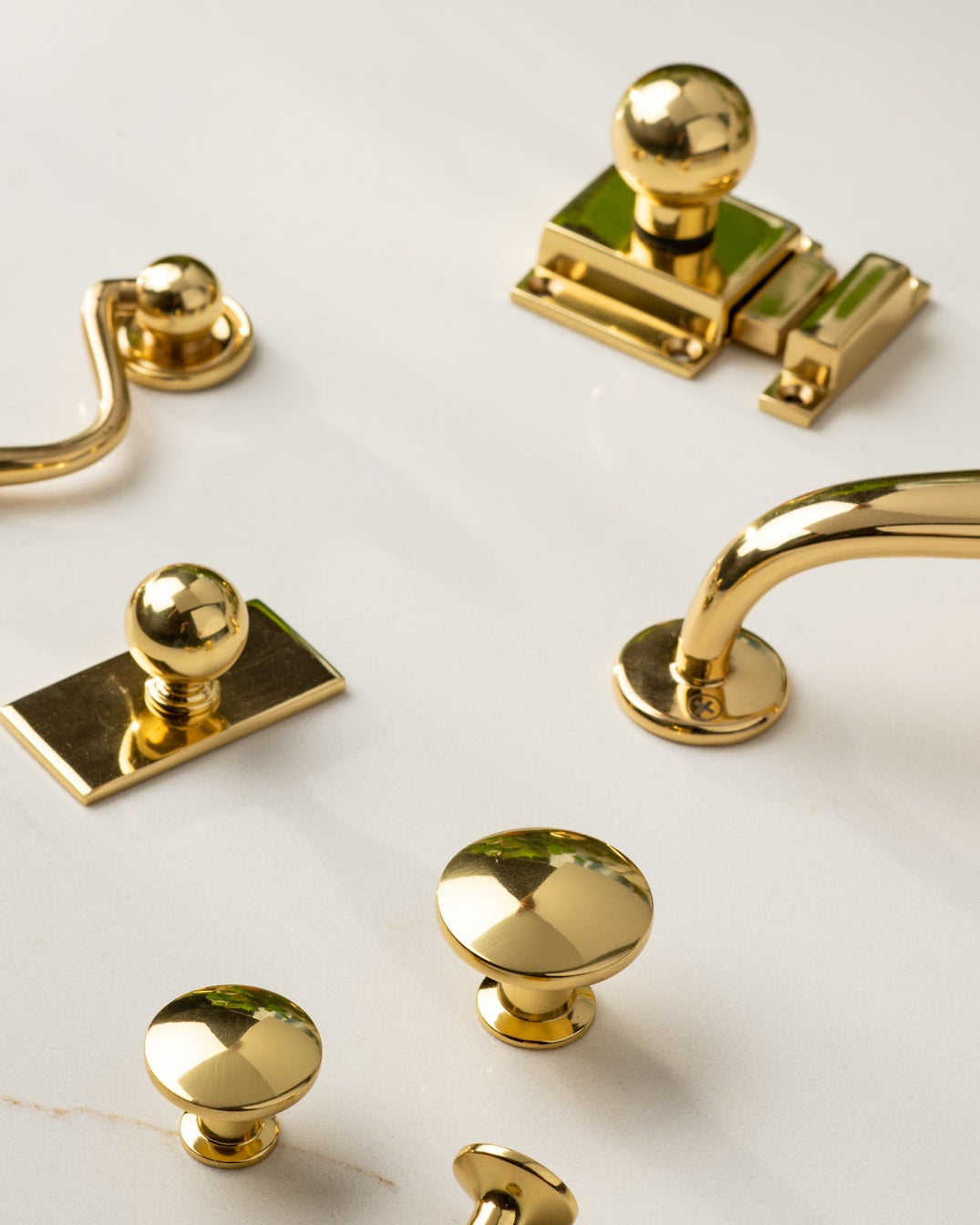
Solid brass and brass-plated hardware look similar at first. However, they behave differently when cleaned. Solid brass is a uniform alloy made from copper and zinc. Brass-plated hardware is typically steel or zinc coated with a thin layer of brass, often finished with lacquer. In fact, this thin coating can break down over time and expose the grey metal underneath.
You can also use the magnet test to tell them apart. Hold a small magnet to the hardware. If it sticks, the hardware is likely brass-plated. If it doesn’t, it’s probably solid brass. This step is essential because brass plating needs gentle cleaning so the thin layer remains intact.
The distinction matters because solid brass will never peel and is much harder to damage. It has a substantial weight and a timeless patina that only improves with age. Modern Matter hardware is exclusively 100% solid brass to guarantee heirloom quality and natural durability in every piece.
Product Spotlight
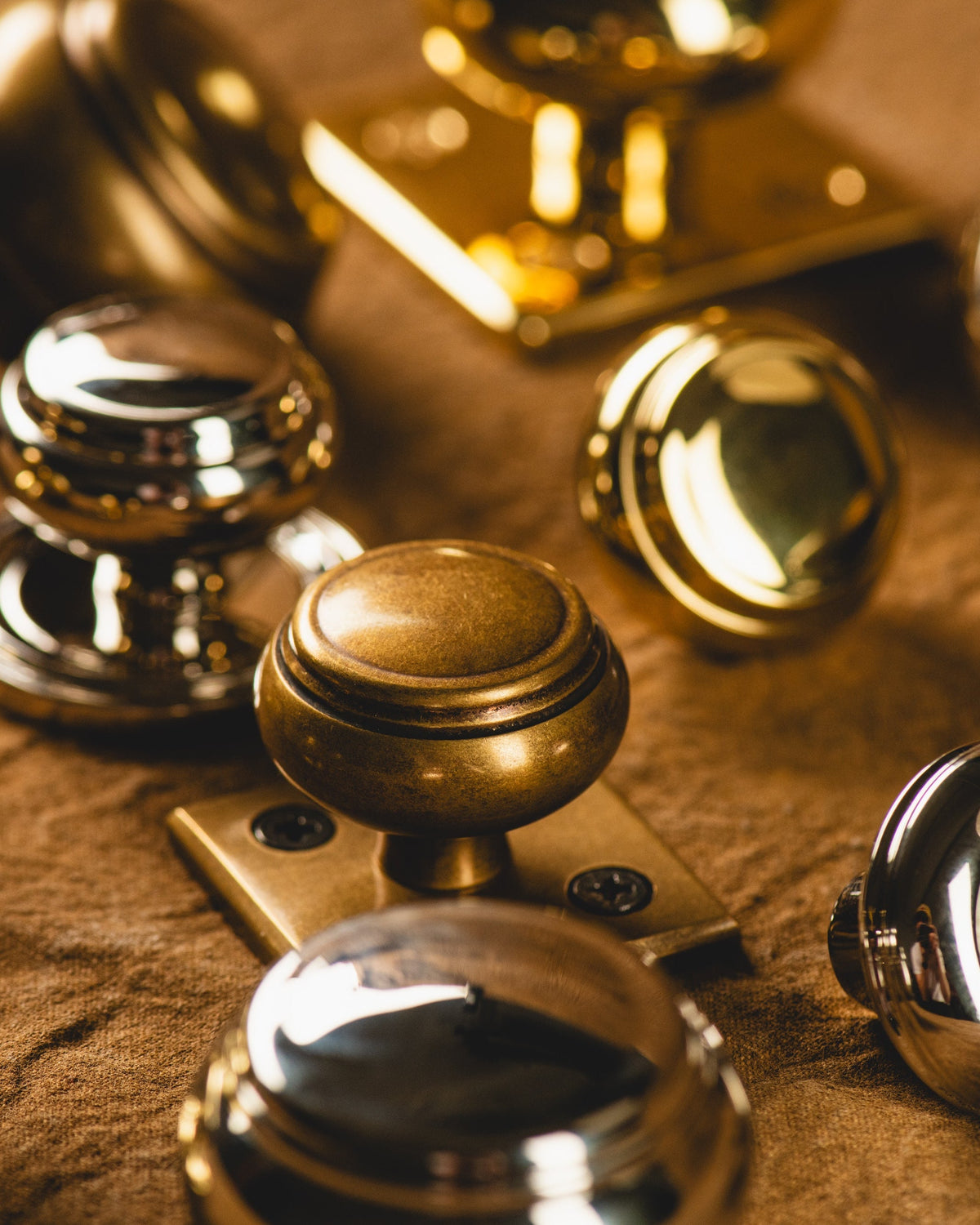
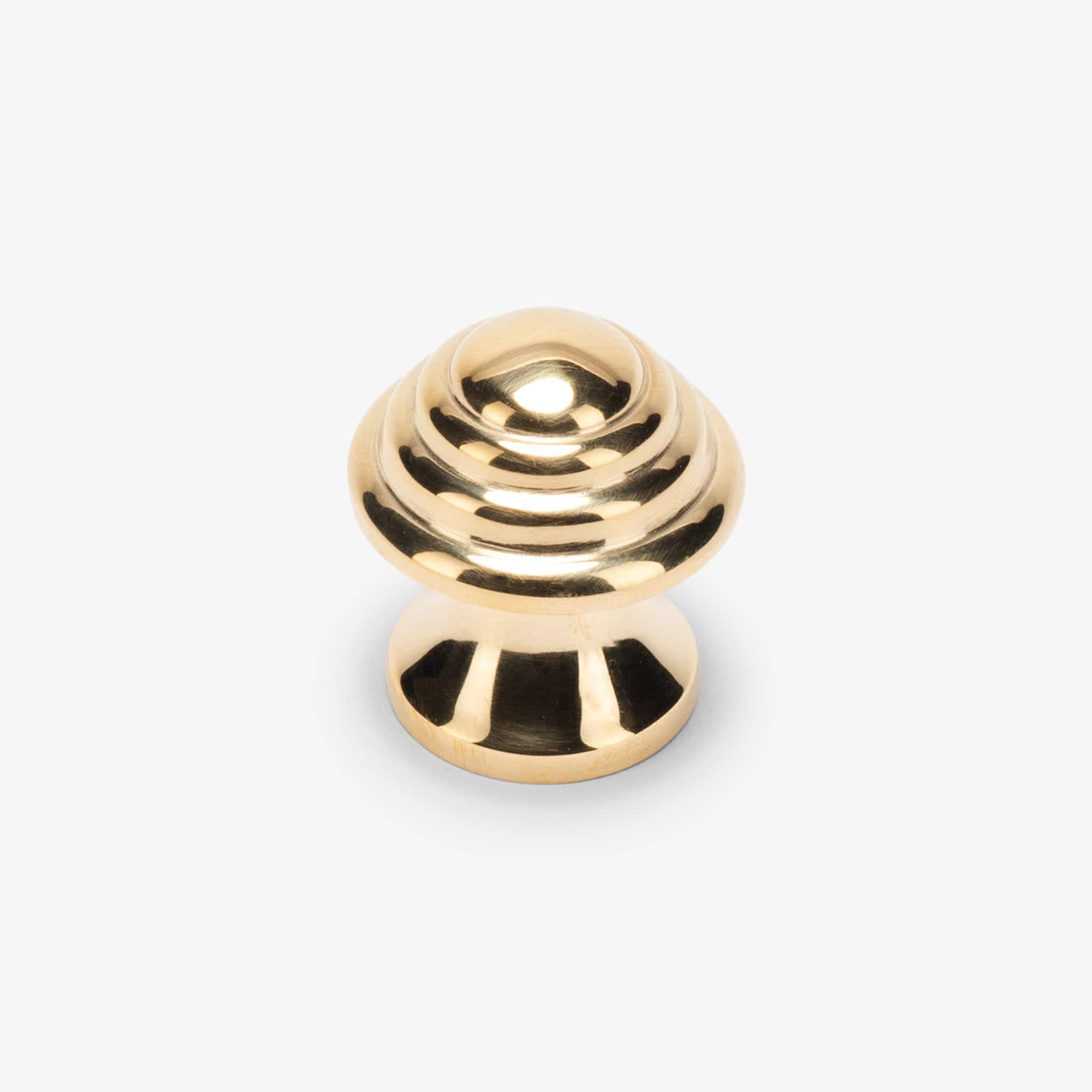
Florence 1" Solid Brass Knob
This compact, sculptural knob brings warmth and texture to any cabinet or drawer, with finishes that evolve beautifully over time.
Identifying the Finish
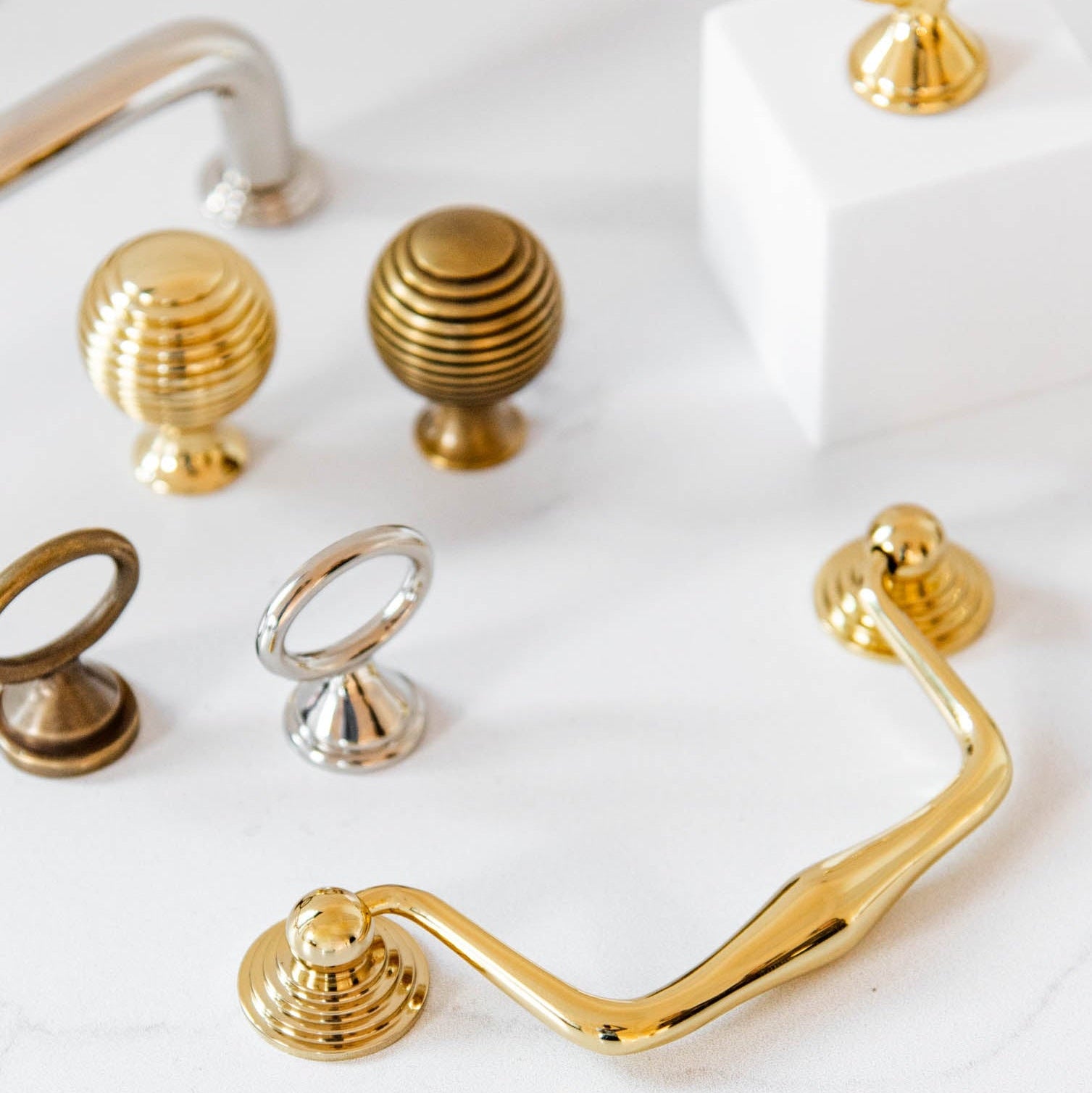
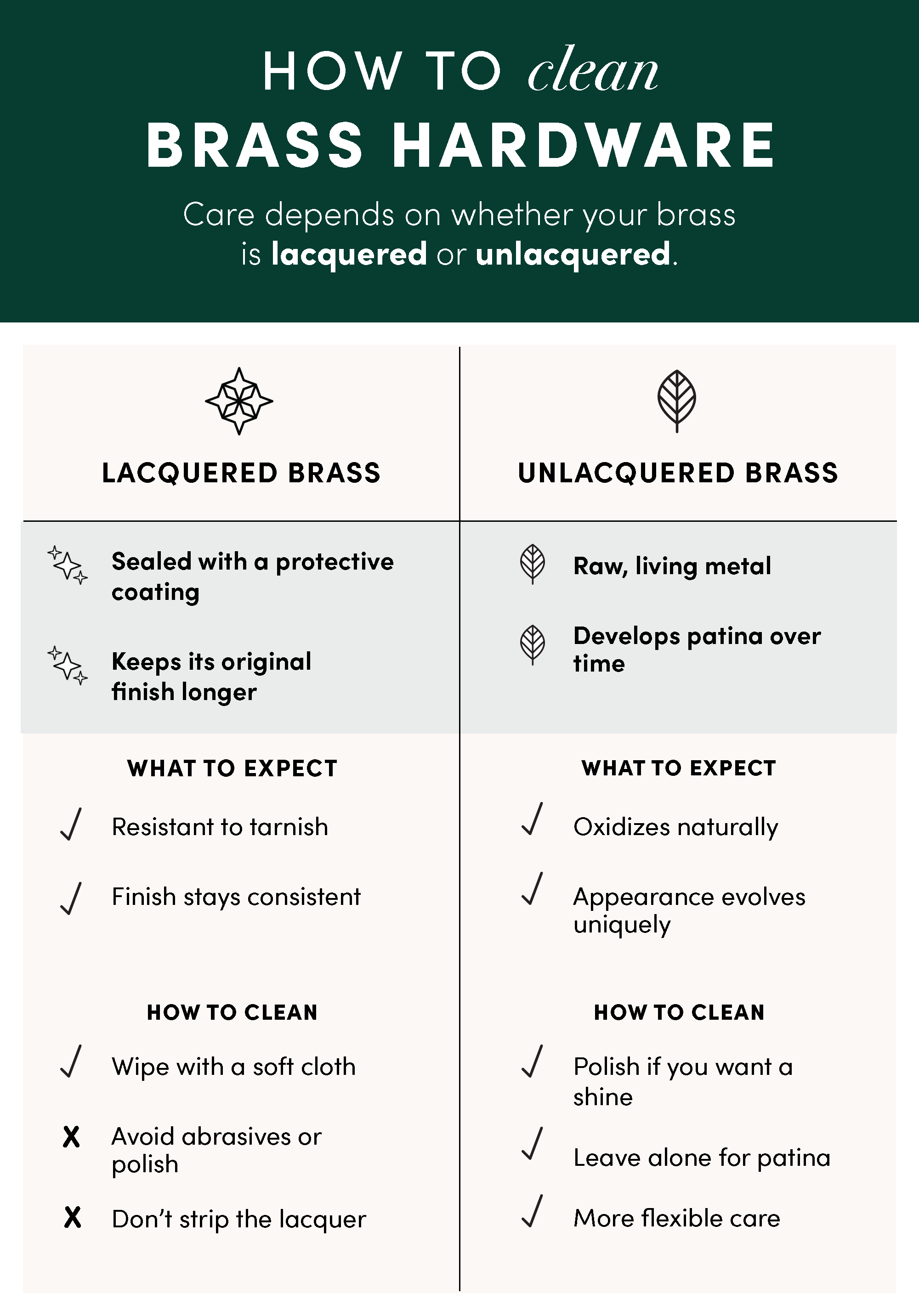
Your hardware may be lacquered or unlacquered, and each reacts differently to cleaning. Lacquered brass has a clear protective coating designed to keep tarnish off the surface. If the coating fails, tarnish forms underneath it, and cleaning won’t restore the shine without removing or repairing that coating.
Unlacquered brass ages naturally and develops a soft patina. This finish is safe to clean and polish at home. A quick test lets you spot the difference. If the hardware looks shiny but has light surface grime, it’s likely lacquered. If it’s darker, dull, or uneven in color, it’s probably unlacquered.
For more details on finishes, see our related article on Living Finishes.
Why Routine Cleaning is Essential
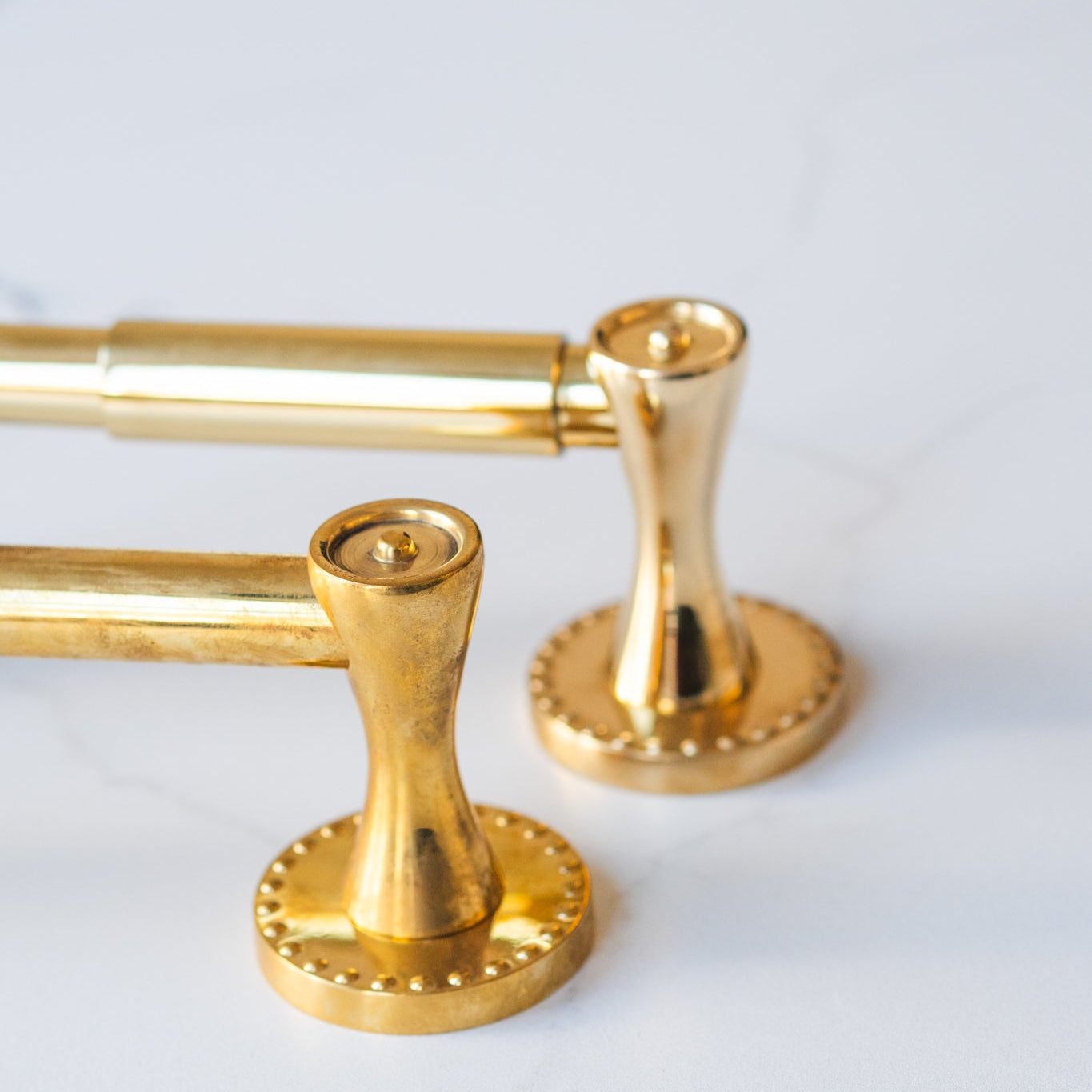
Brass reacts with oxygen and moisture in the air. This natural reaction forms oxidation, often seen as patina. Research actually notes that zinc in brass oxidizes more quickly than copper because of surface composition differences. When left alone for too long, this buildup can deepen and eventually lead to pitting or corrosion that permanently damages the metal.
A quick, regular clean keeps tarnish from reaching that point and reduces the need for stronger polishing methods later.
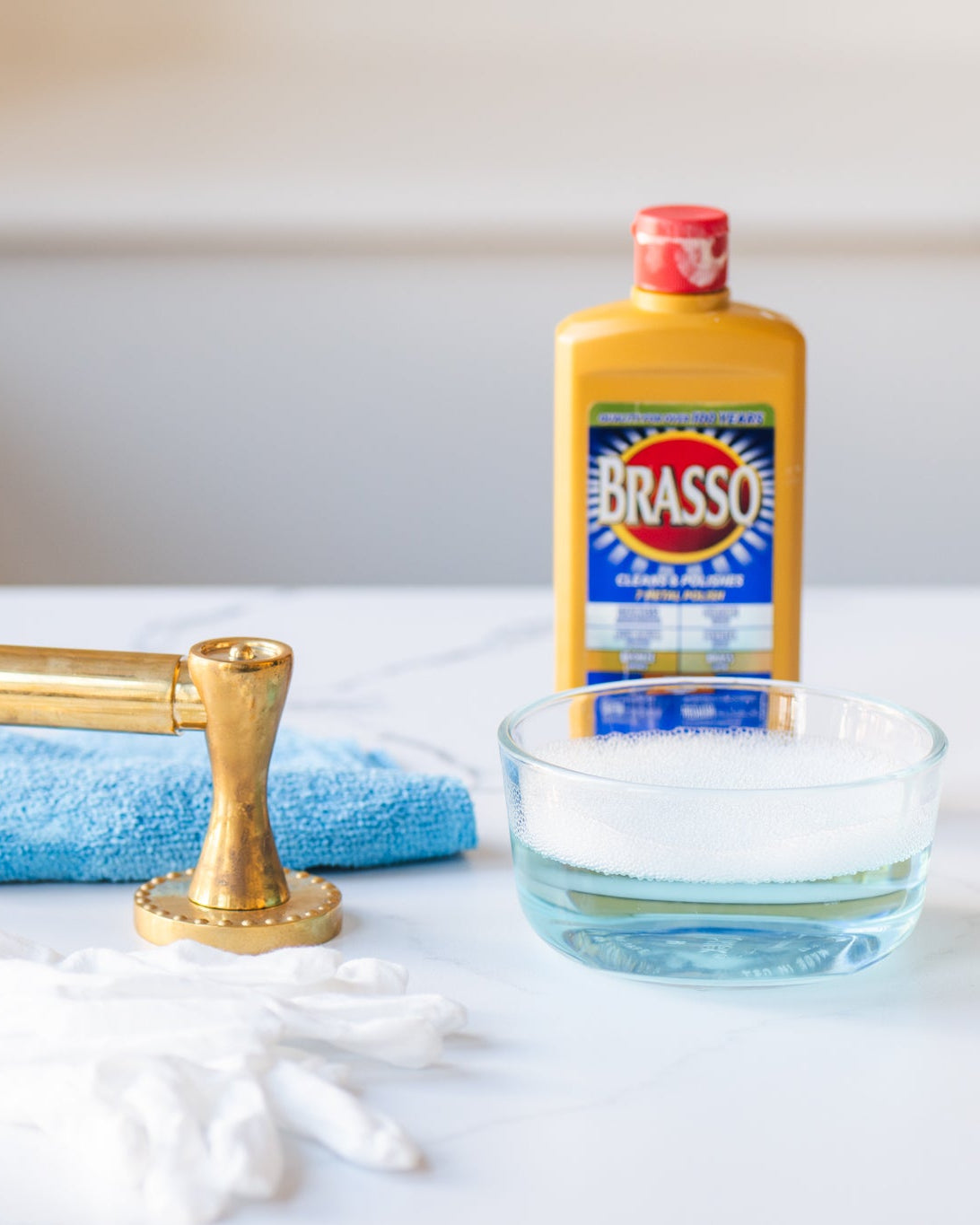
Before you start cleaning, gather the supplies you’ll need and set up a space where you can work comfortably. A little preparation lets you move through each method without interruption and keeps nearby surfaces safe.
What You’ll Need: Supplies for a Successful Clean
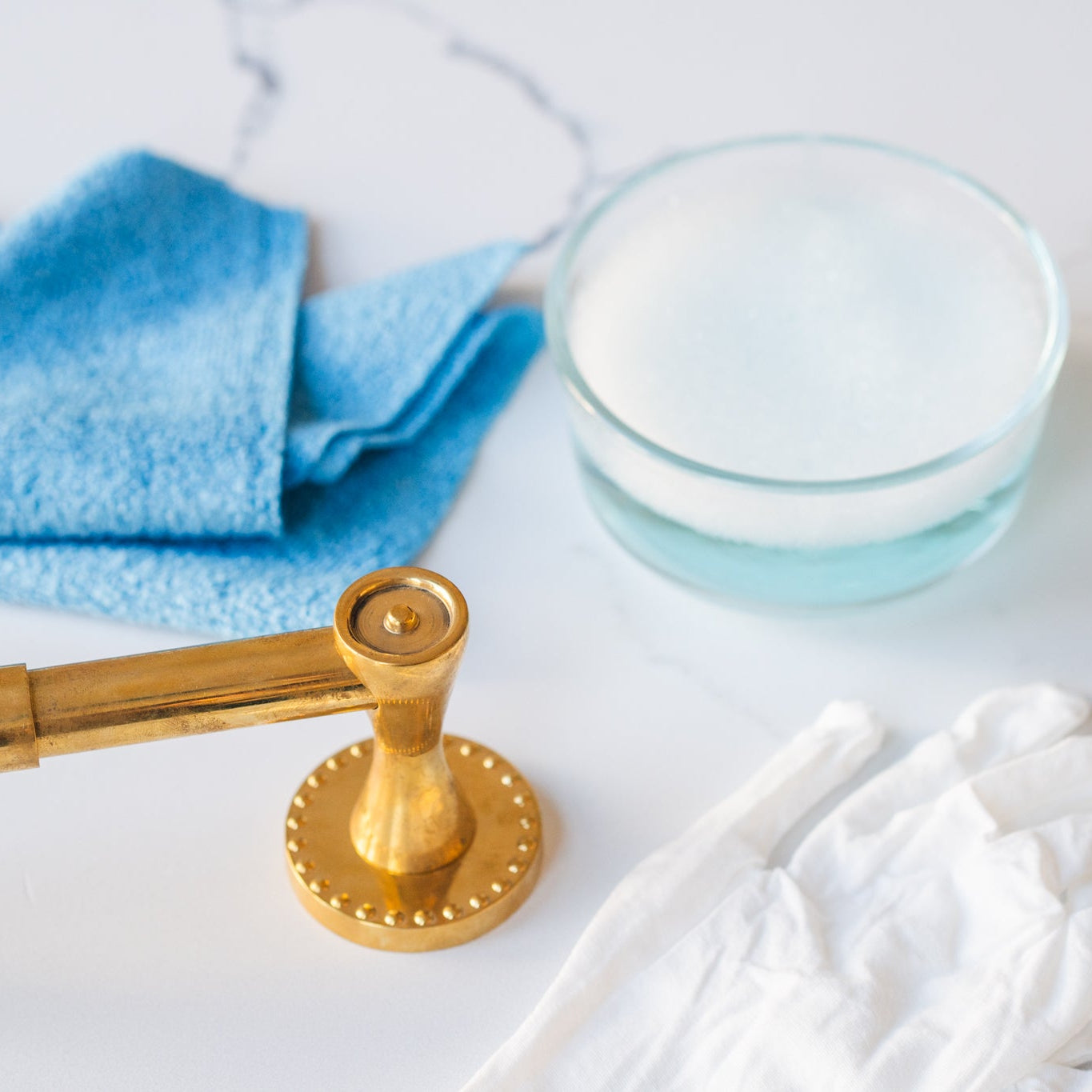
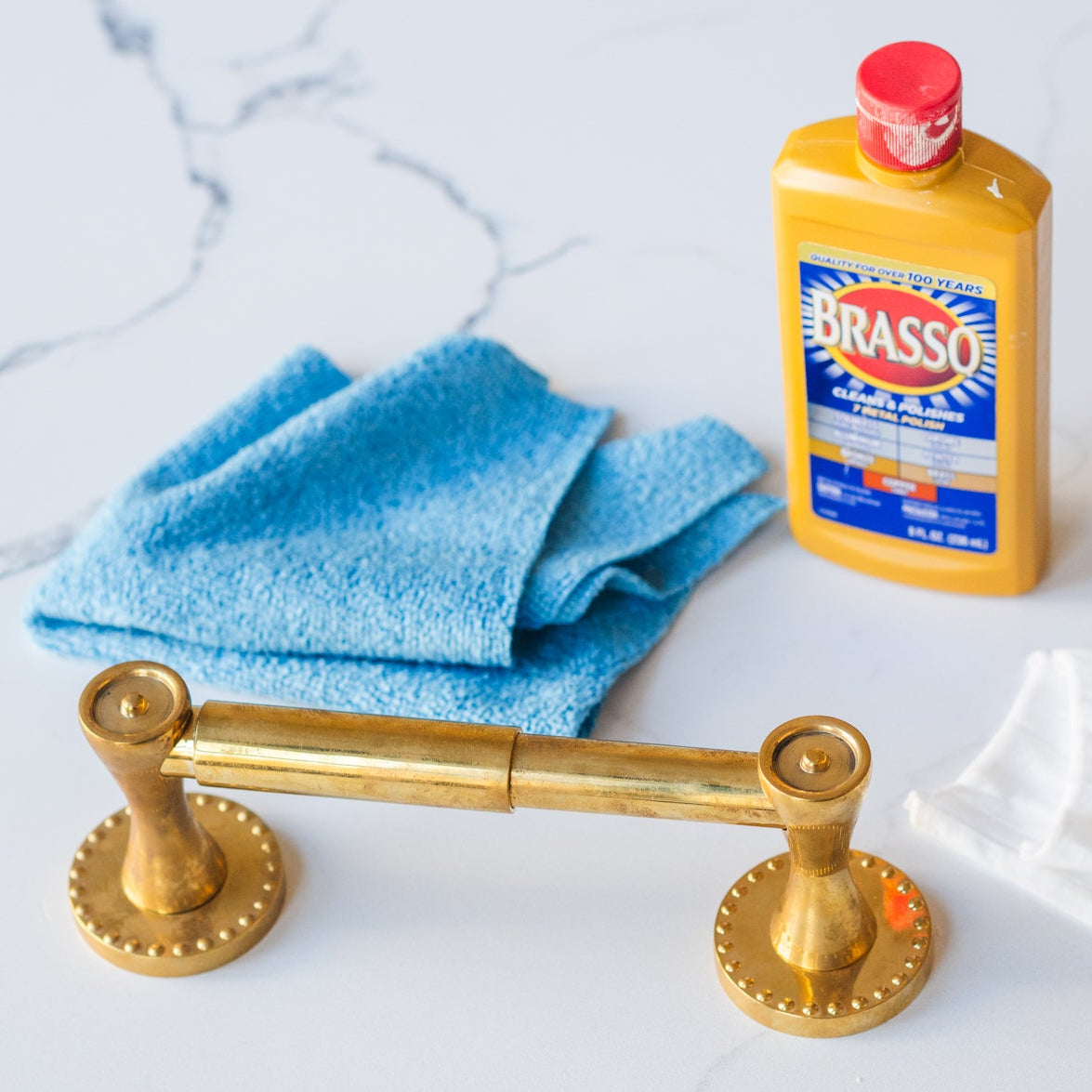
You only need a few basics for most cleaning steps. Keep soft cloths, cotton swabs, a soft-bristled toothbrush, and mild dish soap nearby. For deeper tarnish, set out a commercial brass polish so you can reach for it when needed.
Preparing the Hardware and Work Area
If you can remove the hardware, take it off before cleaning. This gives you better access to grooves and edges and protects the surrounding wood or paint. If removing it isn’t practical, cover the area around the hardware with painter’s tape to avoid contact with cleaning solutions. Place a towel or drop cloth under your workspace to keep water and cleaners off your counters or table.
Method 1: The Gentle Approach
For Light Tarnish or Lacquered Finishes
Start with the mildest method, especially if your hardware is lacquered or only has light tarnish. These steps lift surface dirt and brighten the metal without putting stress on the finish.
Dusting and Initial Wipe Down
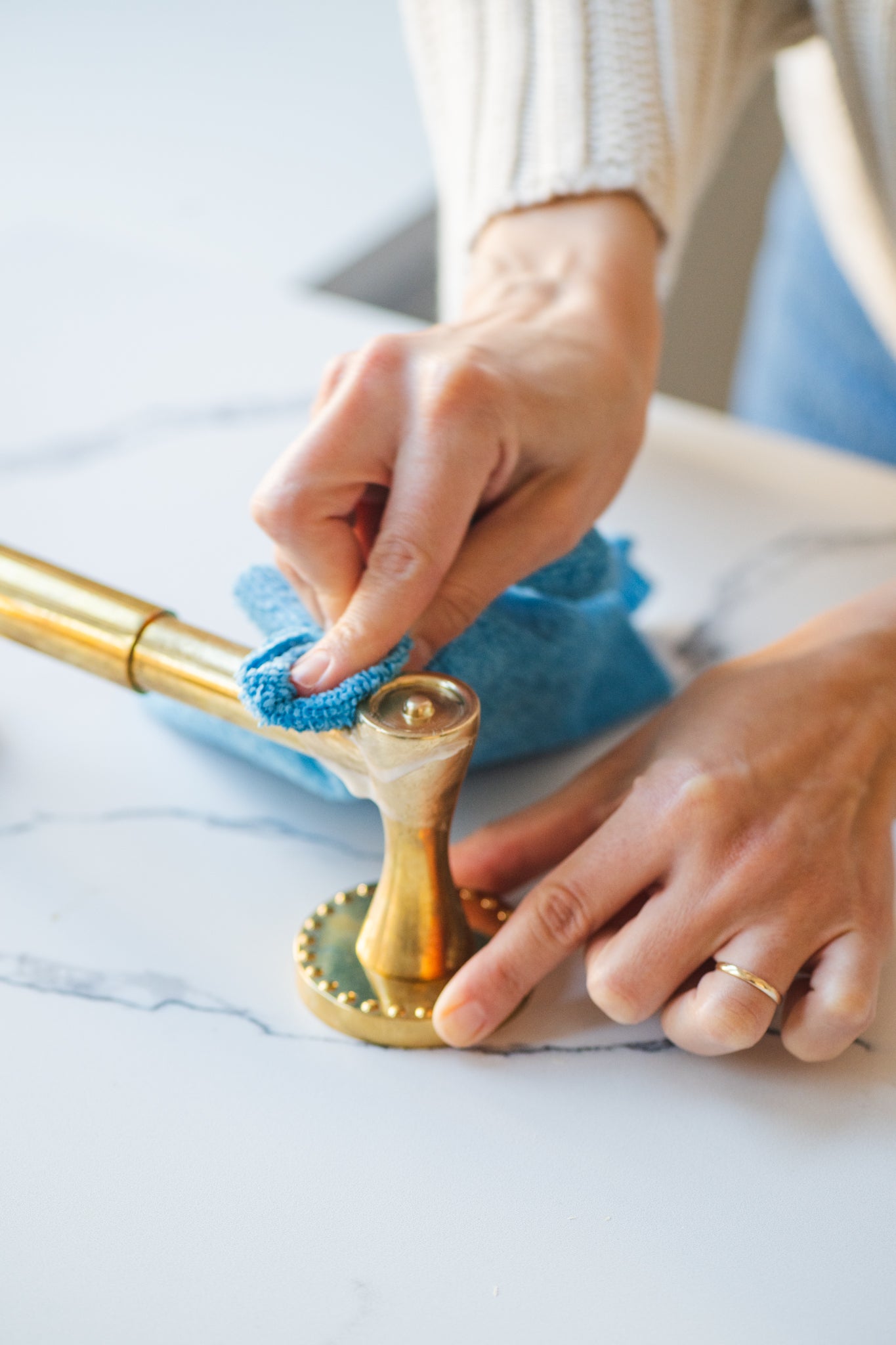
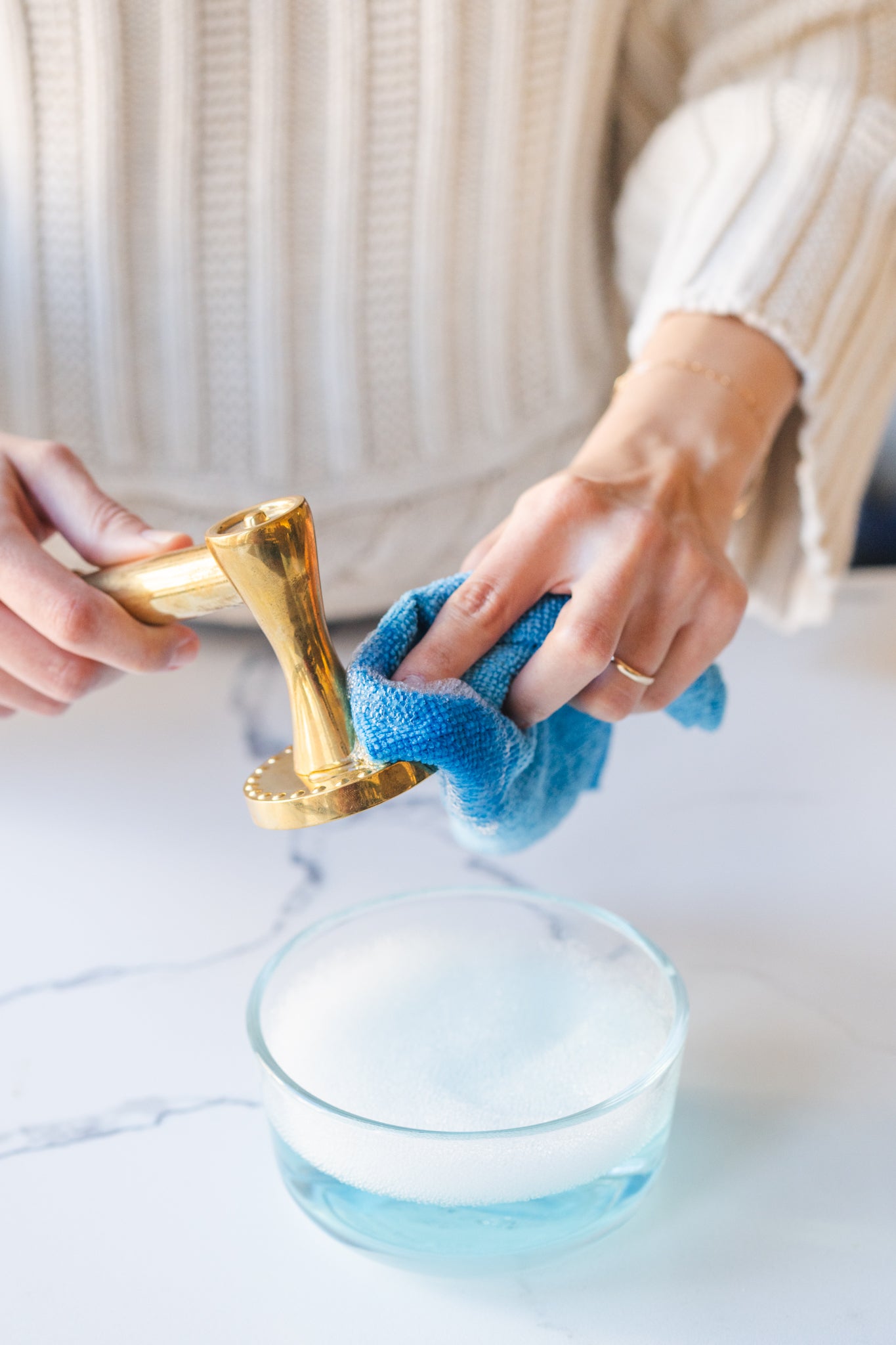
Begin by wiping the hardware with a dry microfiber cloth to remove loose dust. Use cotton swabs or a soft toothbrush to reach into corners or raised details. This step clears away anything that might scratch the surface once moisture is added.
Using Mild Soap and Warm Water
Mix a small amount of mild, non-detergent dish soap with warm water. Dip a soft cloth into the mixture, wring it out well, and gently wash the hardware. You can also use a soft toothbrush for texture areas, and make sure to keep the motion light and even.
Drying and Buffing
Dry the hardware immediately with a clean, soft cloth. Make sure no moisture lingers on the surface. After drying, buff the hardware in small circular motions to bring back a silky shine.
Method 2: Restoring Severely Tarnished Brass
When tarnish is deep or uneven, you might need a stronger polish to bring back the shine. This method works well for unlacquered pieces that need a complete reset before regular upkeep can maintain the finish.
Step-by-Step Polishing Instructions
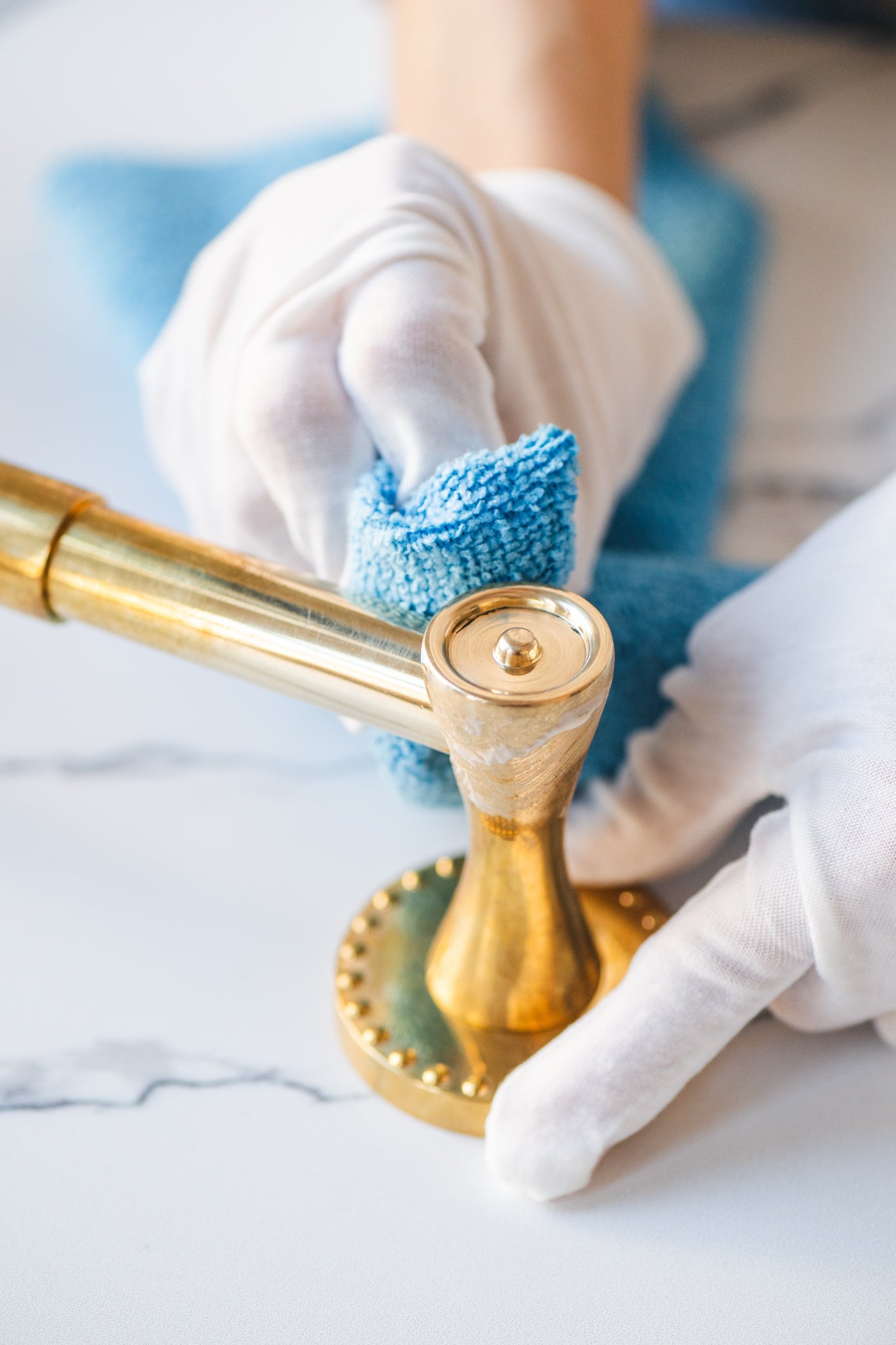
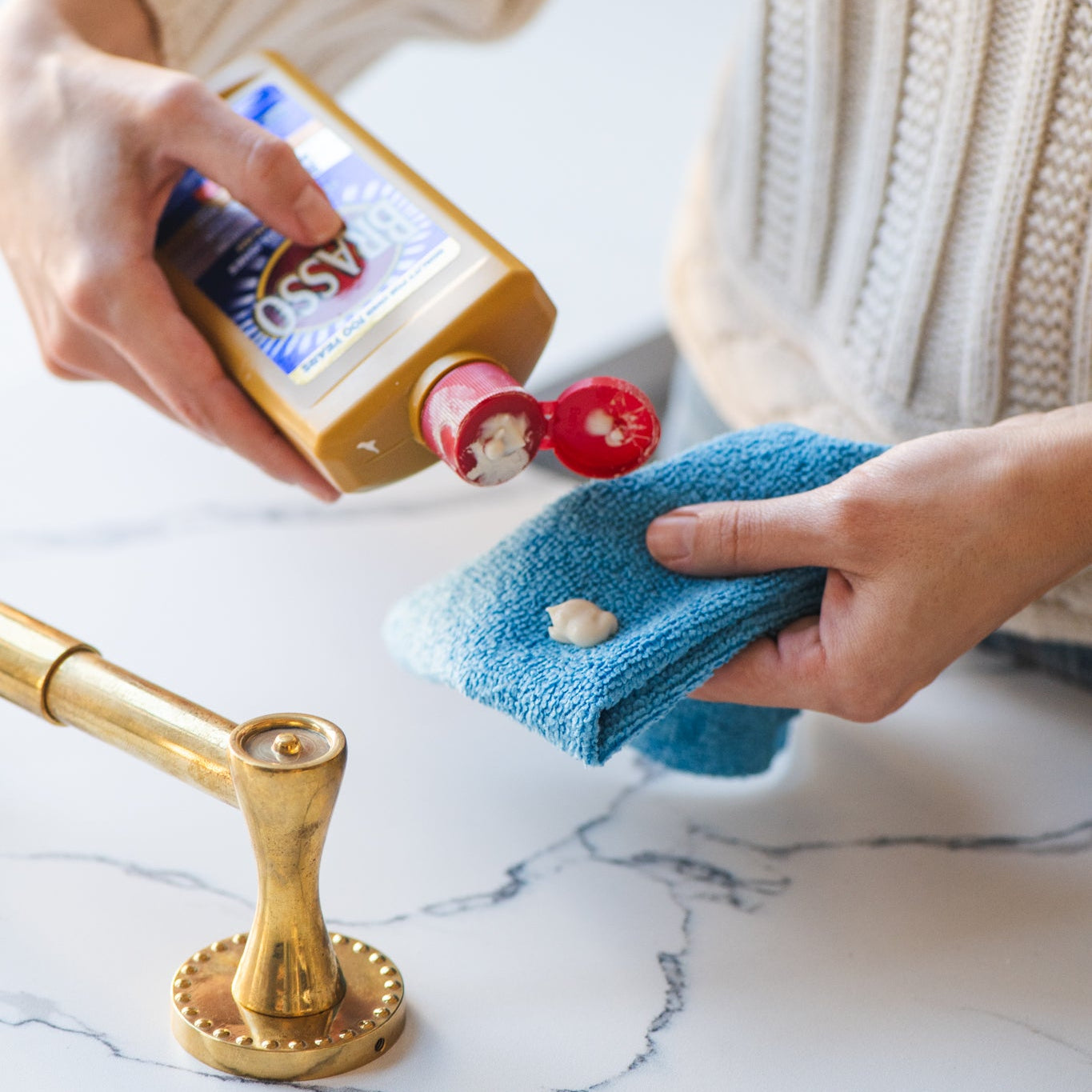
A commercial brass polish is typically the best way to learn how to clean brass with heavy tarnish. Begin by applying a small amount of polish to a clean, soft cloth. Work in small sections and use steady, gentle strokes until the tarnish begins to fit. Move to a clean area of the cloth so that you’re not rubbing old residue back onto the surface.
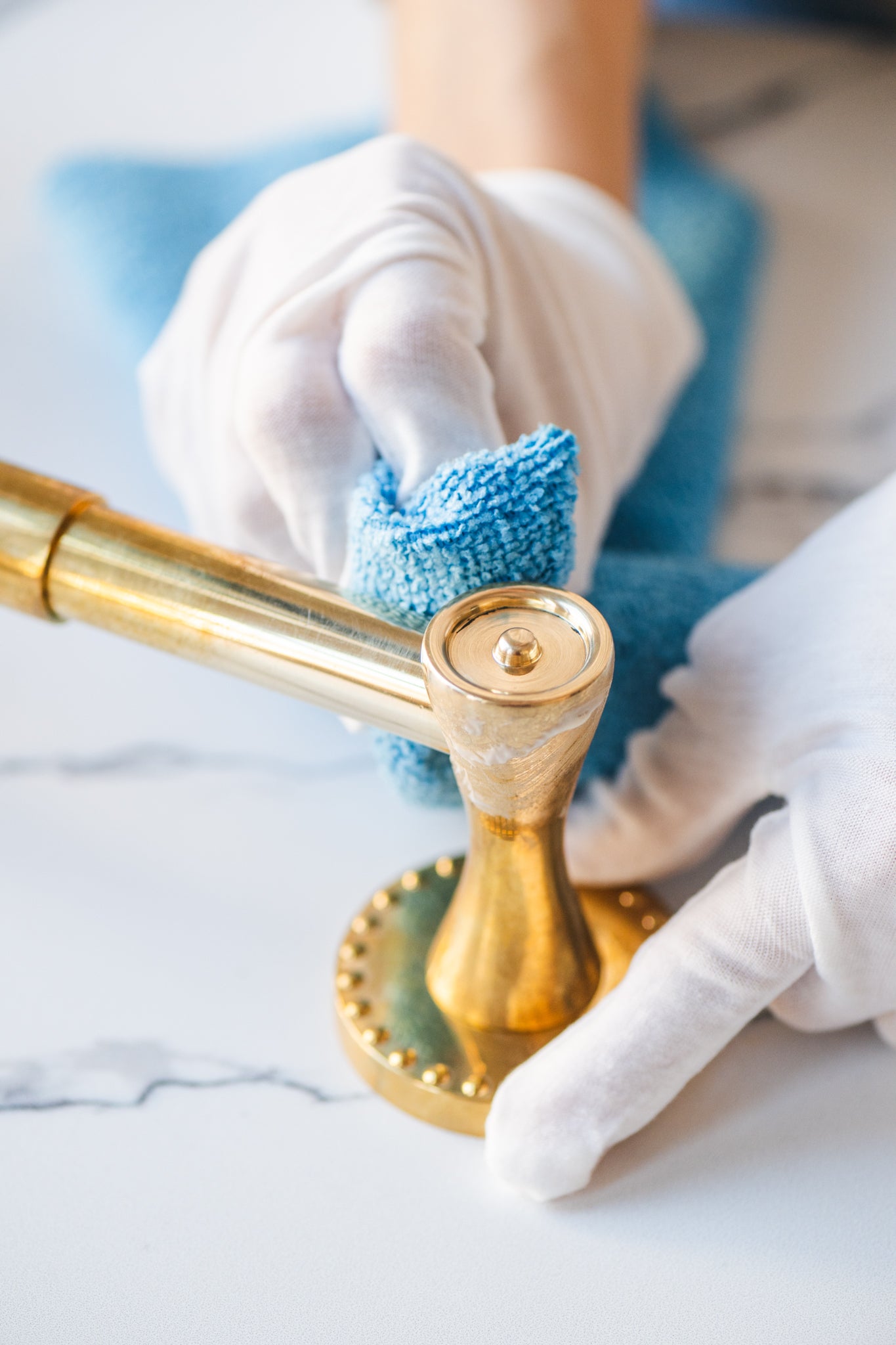
Once the hardware looks brighter, switch to a fresh cloth and buff away the leftover polish. This final buff smooths the surface and lets the shine come through.
Tips for Hard-to-Reach Areas
Decorative brass often has grooves or raised details that collect more tarnish. Cotton swabs, dental picks, and small brushes let you reach these spots without scraping the metal. You can also wrap a soft cloth around a small stick to guide polish into tight corners. Make sure to work slowly and focus on one small area at a time.
Final Step: Protecting and Maintaining the Shine
Once your brass is clean, a few simple habits can keep it bright longer. These steps create a barrier against moisture and slow down the return of tarnish.

Applying a Wax or Protective Coating
A thin layer of clear wax, such as beeswax or carnauba wax, adds light protection to clean, dry brass. Apply a small amount with a soft cloth and spread it evenly. The wax acts as a barrier between the metal and the air, which slows down tarnish.
Should You Re-Lacquer Your Brass?
Re-lacquering gives brass long-lasting protection, but it also stops the natural patina from developing. Because the process involves specialty materials and even coating, it’s typically a job for a professional. If you’d like to learn more, you can explore our Product Care page for guidance and next steps.
Tips for Routine Maintenance
A quick weekly wipe with a dry cloth removes dust and oils. Every few weeks, use a slightly damp cloth with mild soap, then dry the hardware directly after. These small steps keep the surface clean and delay the return of tarnish.
Key Takeaways
- Light, regular cleaning keeps tarnish from settling in and makes deeper restoration easier.
- Solid brass and brass-plated hardware need different cleaning approaches.
- Lacquered and unlacquered finishes react differently to cleaners and polishing.
- DIY pastes work well for moderate tarnish on unlacquered brass.
- Heavy tarnish usually needs a commercial polish and patient, steady work.

Next Steps
- Check your hardware to confirm whether it’s solid or plated and whether it’s lacquered.
- Pick the method that matches your level of tarnish.
- Set up a small cleaning routine to keep the shine longer.
- Add a wax coating if you want slower patina development.
Explore our stunning collection of modern brass door knobs and handles today to find the perfect new accent for your space.