
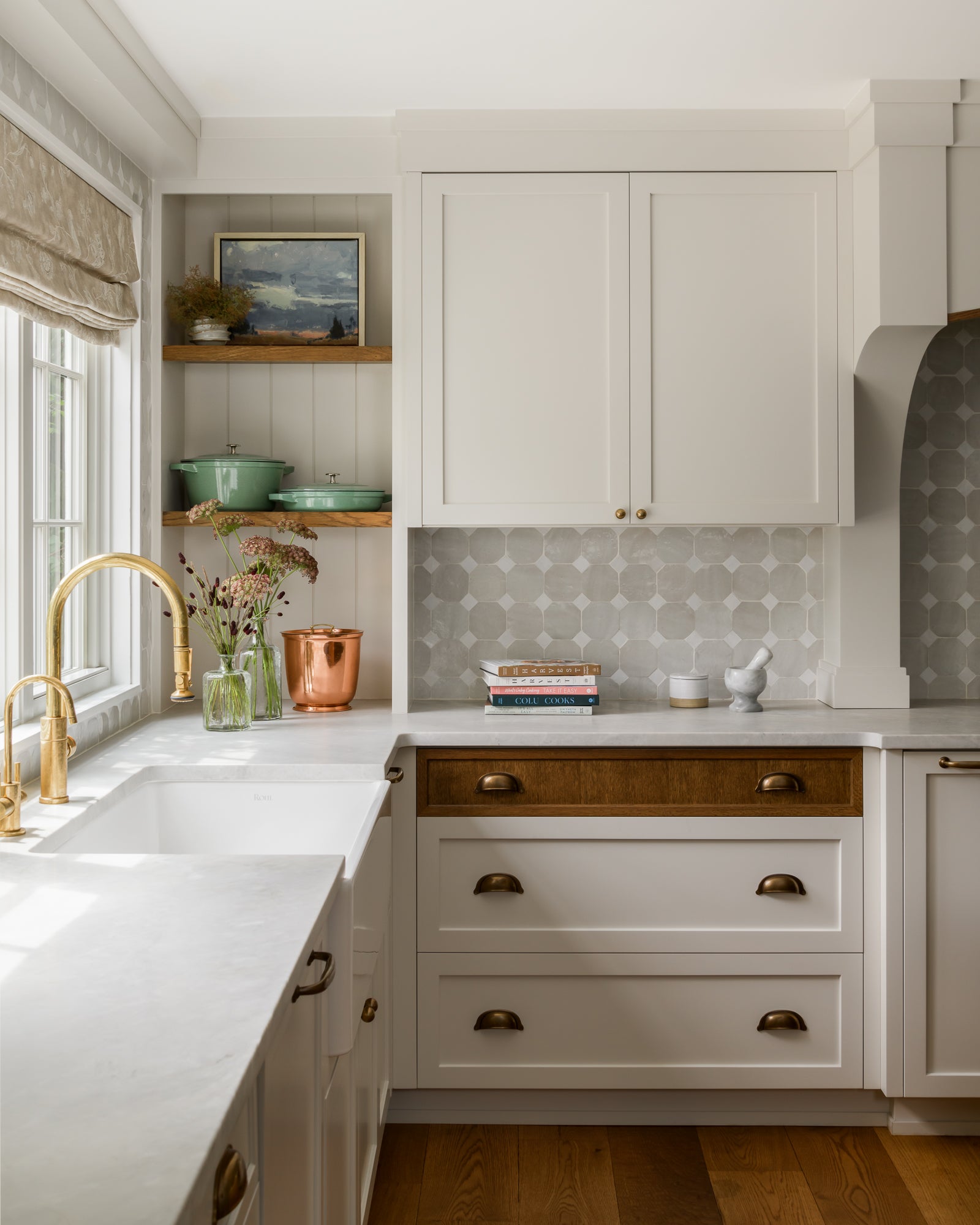
Cabinet hardware is often called the jewelry of the home, and for good reason. Choosing between knobs and pulls is one of the most common decisions homeowners face when updating kitchens, bathrooms, or built-ins. While both options serve the same purpose, each one affects how cabinets look and how they function day to day. The right choice depends on layout, usage, and personal style. This guide explains the differences between knobs and pulls, plus where each one makes the most sense.
Key takeaways
- Knobs and pulls each serve different functional needs
- Mixing hardware can improve comfort and visual balance
- Scale, placement, and finish all matter
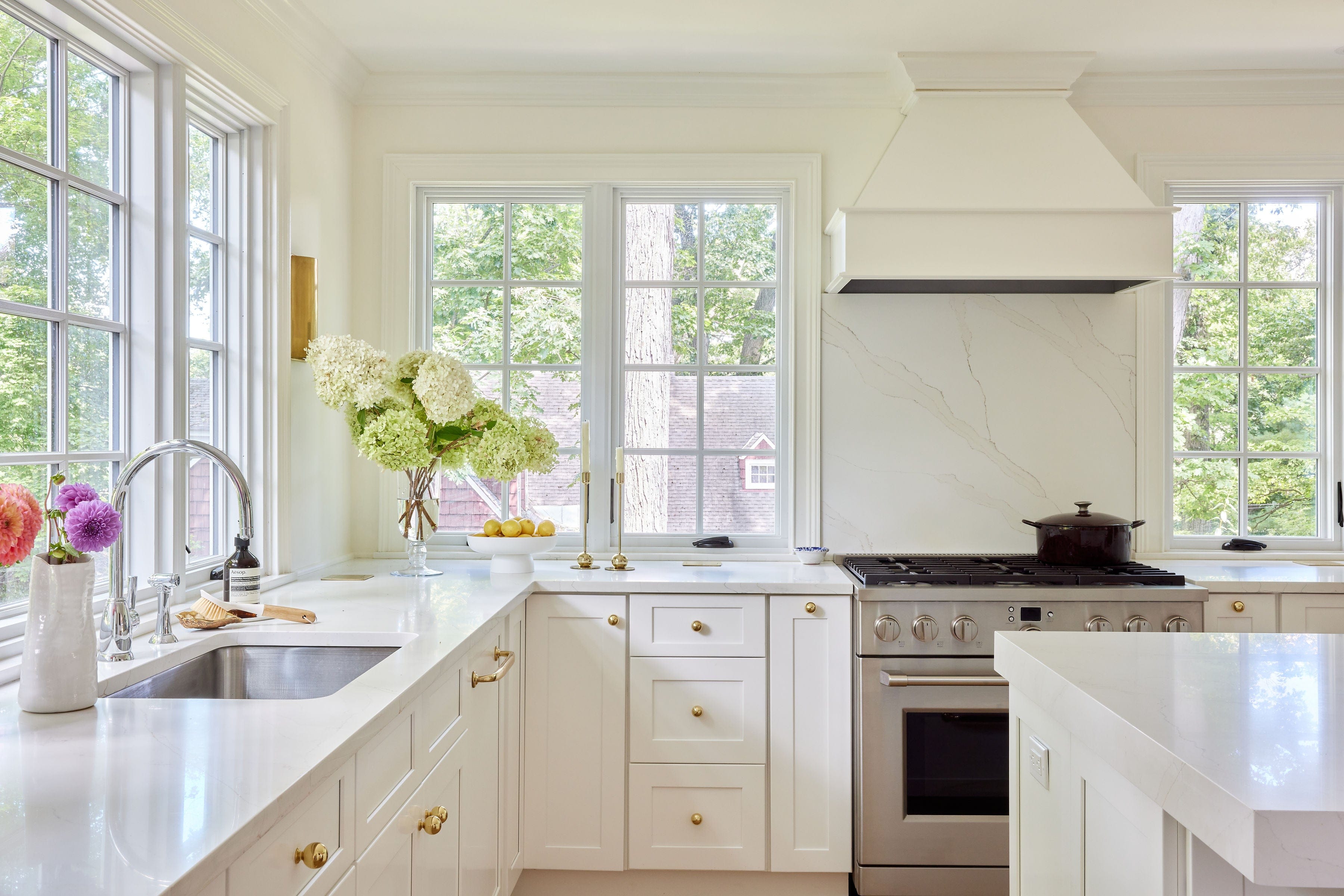
Before you choose cabinet hardware, it’s worth knowing the basics. Knobs and pulls may seem interchangeable, but each one affects how cabinets look and how they’re used. Once you know the difference, choosing hardware that fits your home and your routine becomes much easier.
What Are Cabinet Knobs?
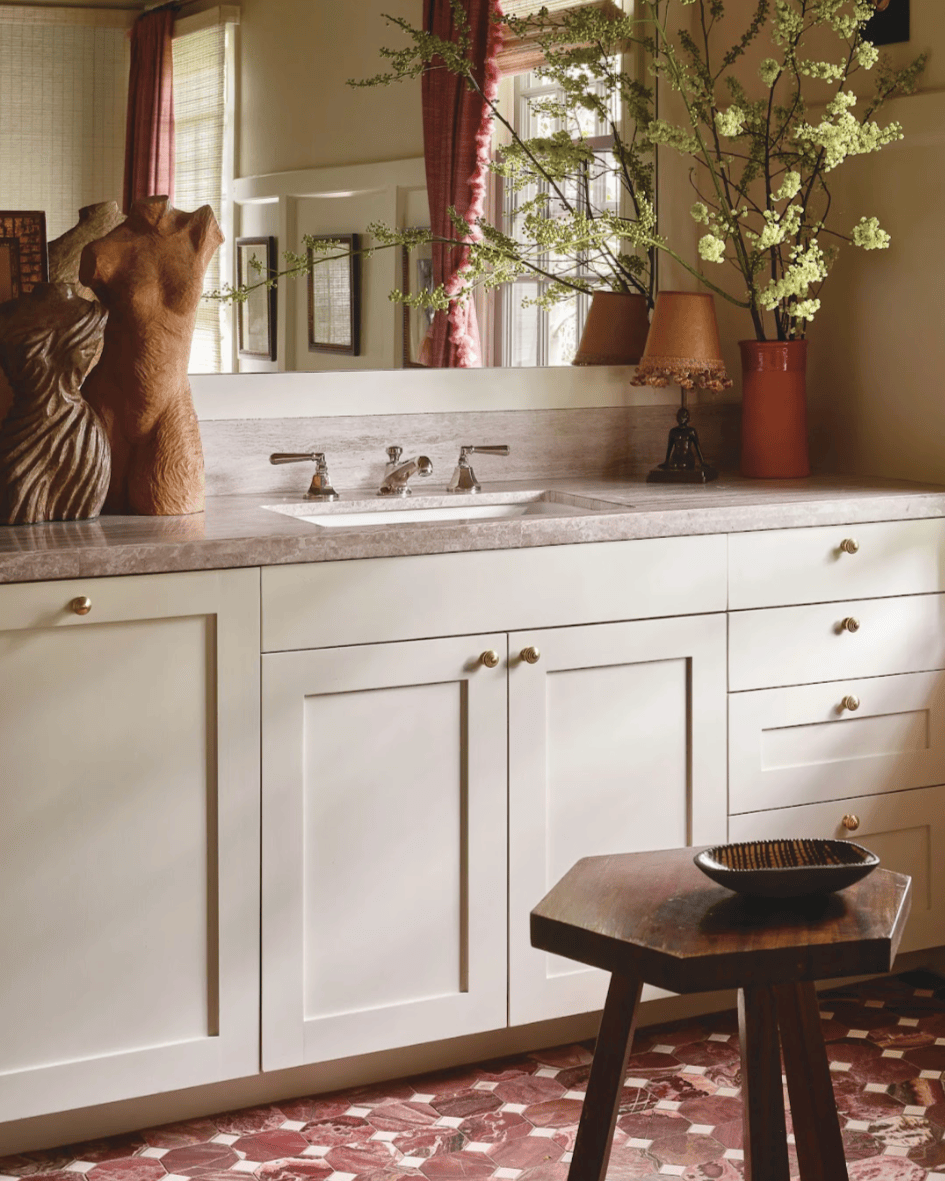
Cabinet knobs use a single mounting point, meaning they attach with one screw. This makes them easy to install and simple to swap out during updates. Knobs are flexible and work across many styles, from traditional to modern. Common shapes include round, square, and T-knobs, each offering a slightly different look. Because they’re compact, knobs are ideal when you want hardware to blend in while still doing its job beautifully.
What Are Cabinet Pulls?
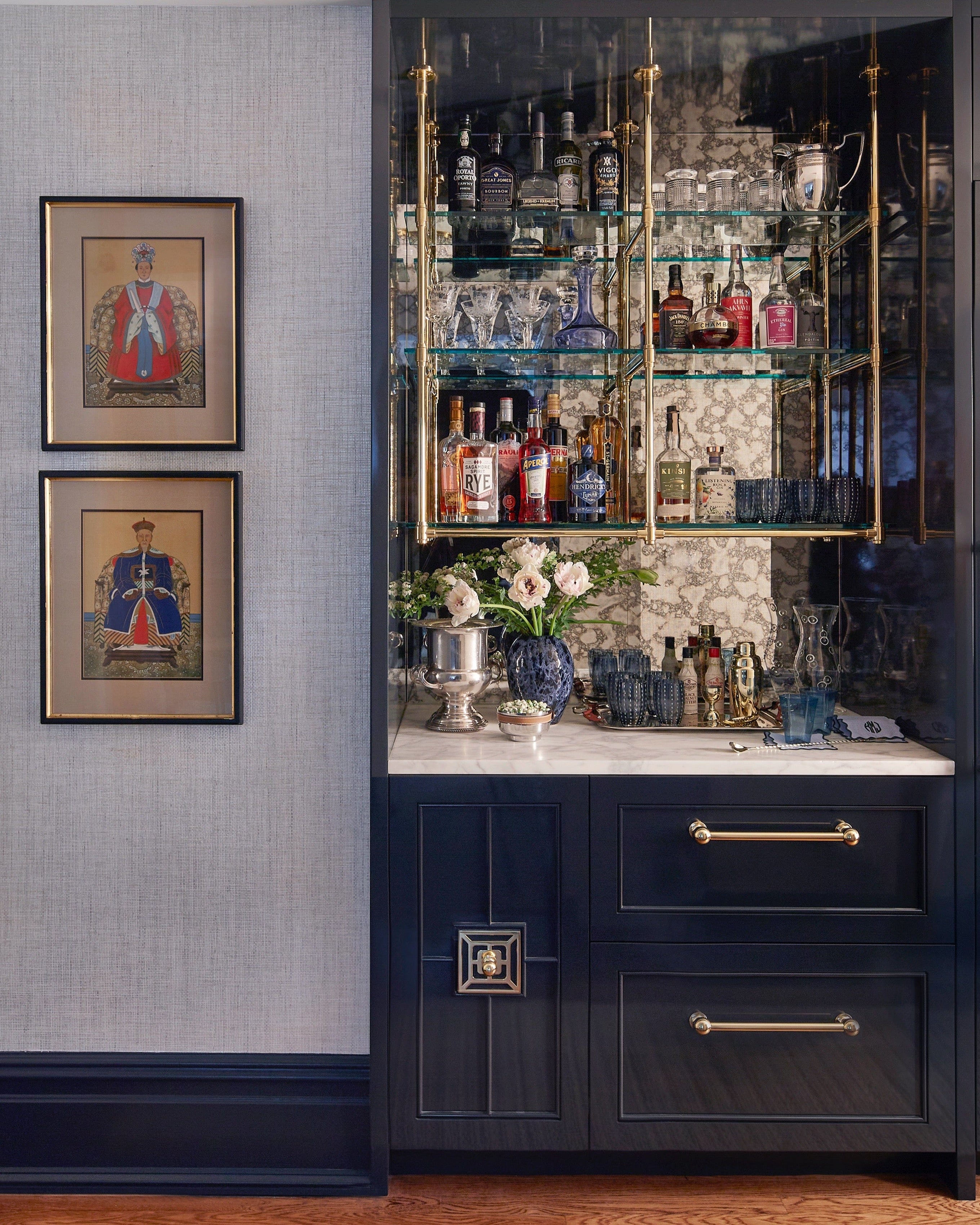
Cabinet pulls, also called handles, use two mounting points and typically attach with two screws. This design lets you use your whole hand for a more secure grip when opening drawers or heavier cabinets. Pulls also span a wider surface area, making them easier to grab and more comfortable day to day. Because of their size and shape, pulls are often chosen for drawers or large cabinet fronts where strength and ease of use matter most.
In a kitchen, hardware is part of the daily rhythm. It should be comfortable to use, durable enough for heavy drawers and frequent cleaning, and refined in appearance.
Key Differences at a Glance
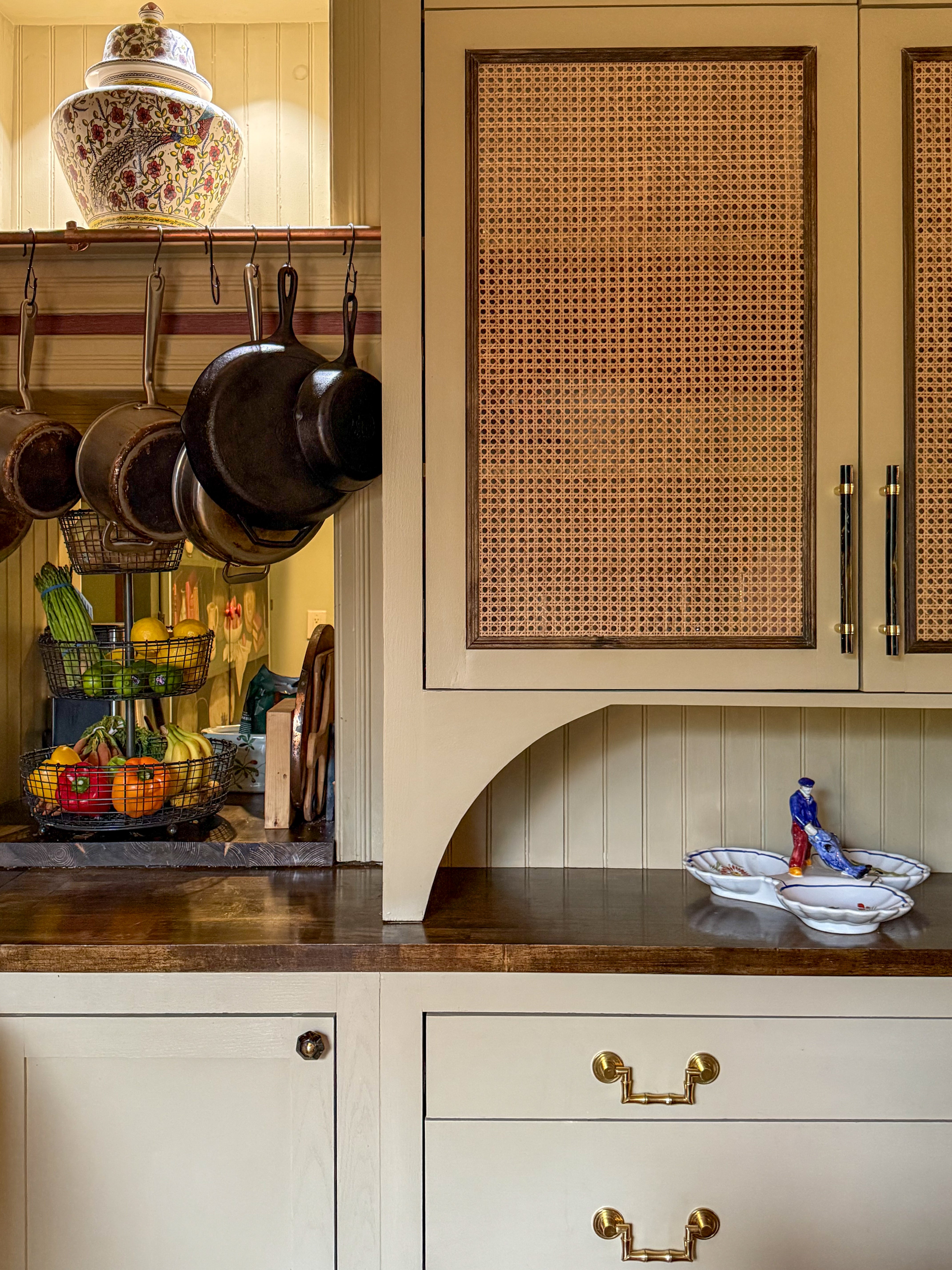
The main difference between knobs and pulls comes down to size and installation. Knobs have a smaller physical footprint and use a single screw, while pulls require two mounting points and take up more space. Knobs tend to be more budget-friendly, especially when updating a large number of cabinets. Orientation also matters visually. Knobs read as compact accents, while pulls create stronger vertical or horizontal lines that have a bigger impact on the overall cabinet hardware design.
Ergonomics and Ease of Use
Pulls are often easier to use, especially for people with limited mobility or strength. Being able to wrap your whole hand around a handle provides better grip, which matters when opening heavy drawers or fully loaded cabinets. As the weight of a cabinet or drawer increases, the grip advantage of pulls becomes more noticeable. That’s why pulls are a go-to in busy kitchens, especially for drawers that get used constantly.
Cabinet Door vs Drawer Applications
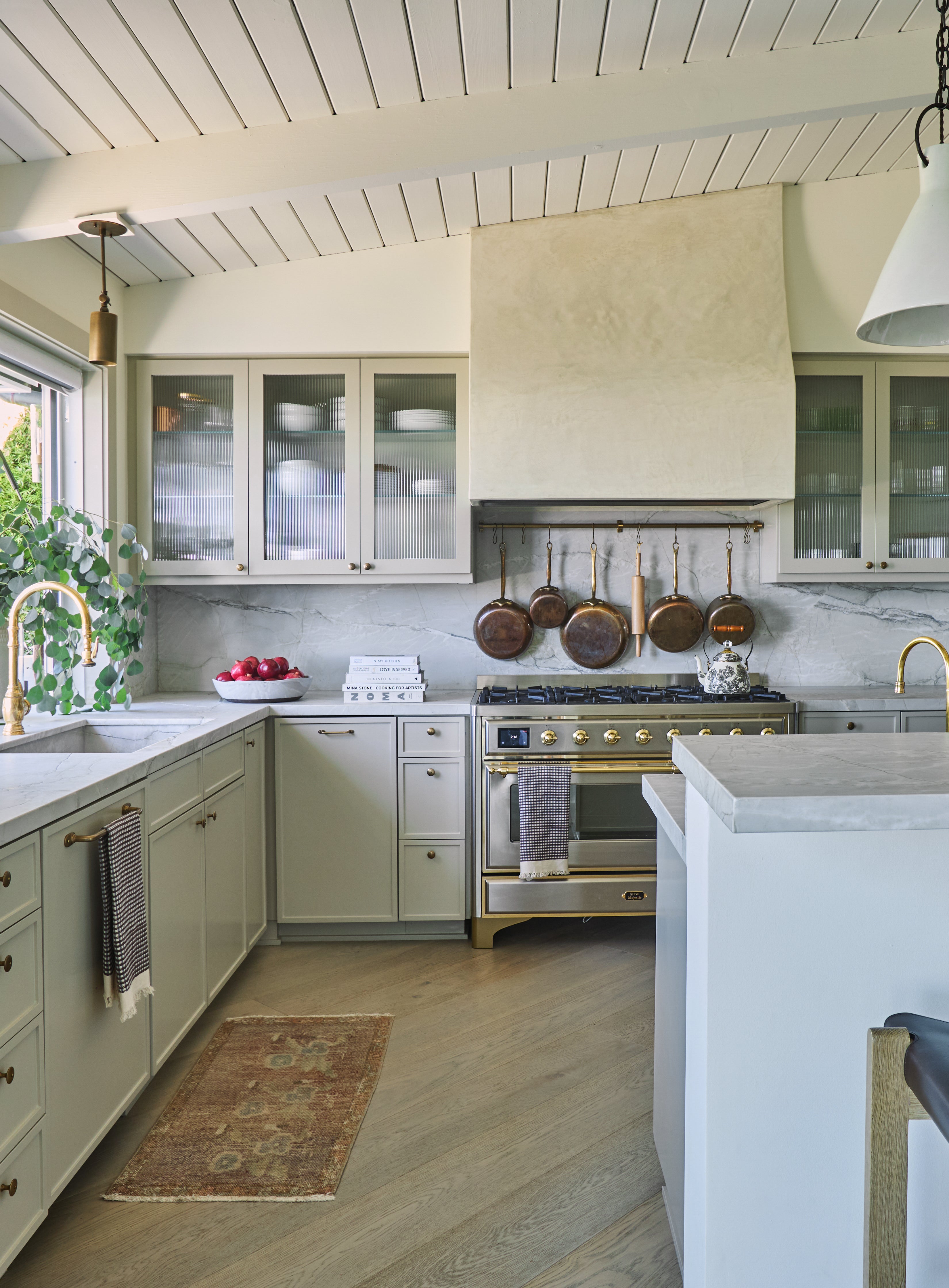
There’s a long-standing logic behind using cabinet knobs on doors and pulls on drawers. Drawers are heavier and move straight out, so pulling from two mounting points provides better balance and control. Cabinet doors, on the other hand, swing on hinges. A single knob gives you a natural pivot point to open and close the door smoothly.
Kitchen-Specific Functionality
In the kitchen, mess is part of daily life. Pulls keep hands farther from cabinet finishes, which can reduce smudges and buildup on painted or wood surfaces. Hardware choice also affects how easy cabinets are to keep clean. Hardware has to earn its keep here. Choose pieces that can handle constant use and still look good after daily wipe-downs.

frequently asked question
Does upgrading cabinet hardware actually increase home value?
Yes. Updating cabinet hardware is a simple upgrade that can improve the overall look of a space, making it more modern and well maintained in the eyes of potential buyers.
Beyond function, hardware choice has a strong visual impact. Knobs and pulls change how cabinetry reads across a room, influencing whether a space looks clean and understated or bold and structured.
Visual Weight and Presence
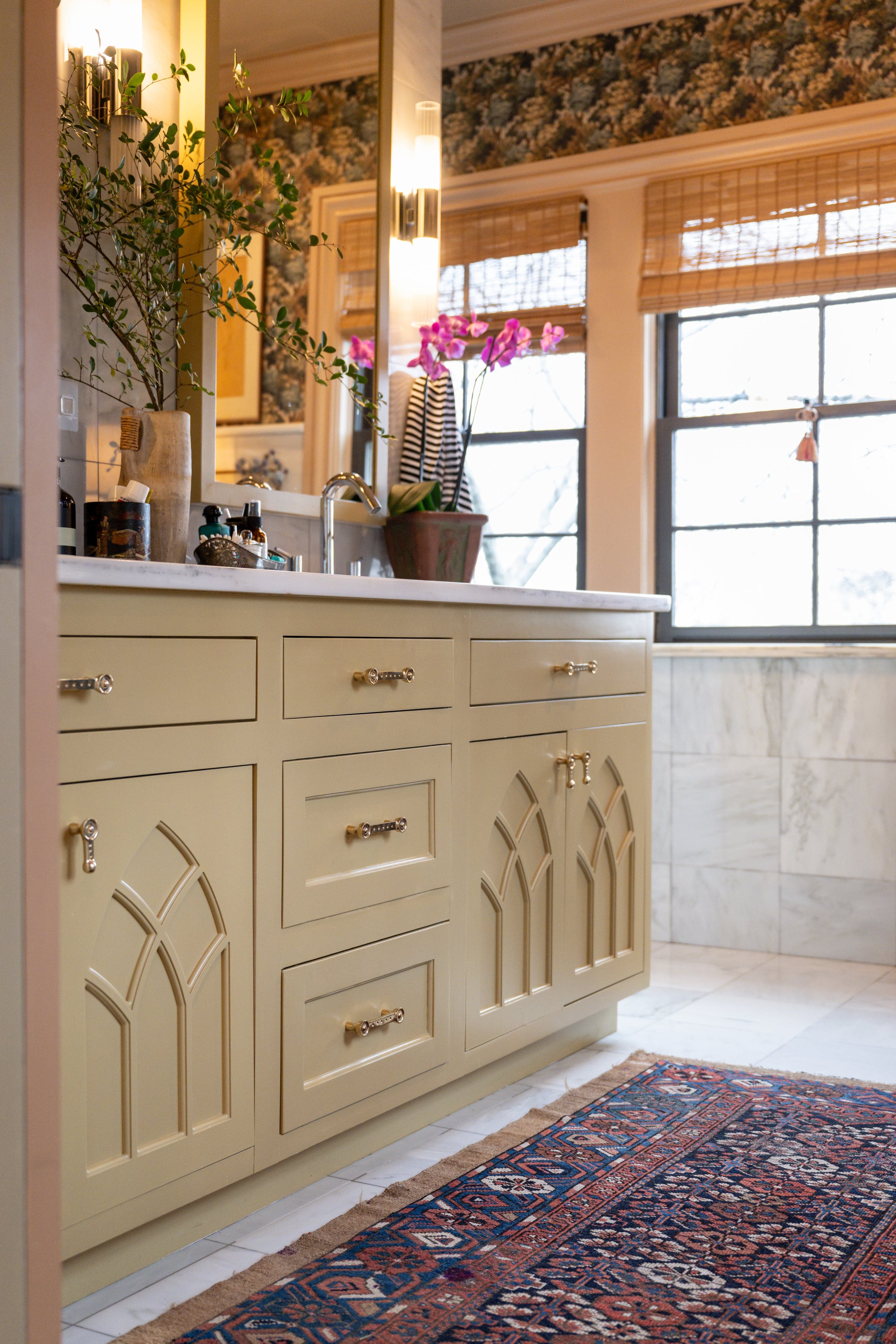
Pulls create longer lines across cabinetry, giving the room a more architectural, structured look. When repeated throughout a kitchen, they add structure and rhythm. Knobs offer a lighter, more minimalist look that allows the cabinetry itself to stand out. In more detailed kitchens, an all-pull look can see, visually heavier, while knobs keep the look lighter. Adding elements like backplates can increase visual presence for either option, giving hardware more weight without overpowering the design.
Style Compatibility
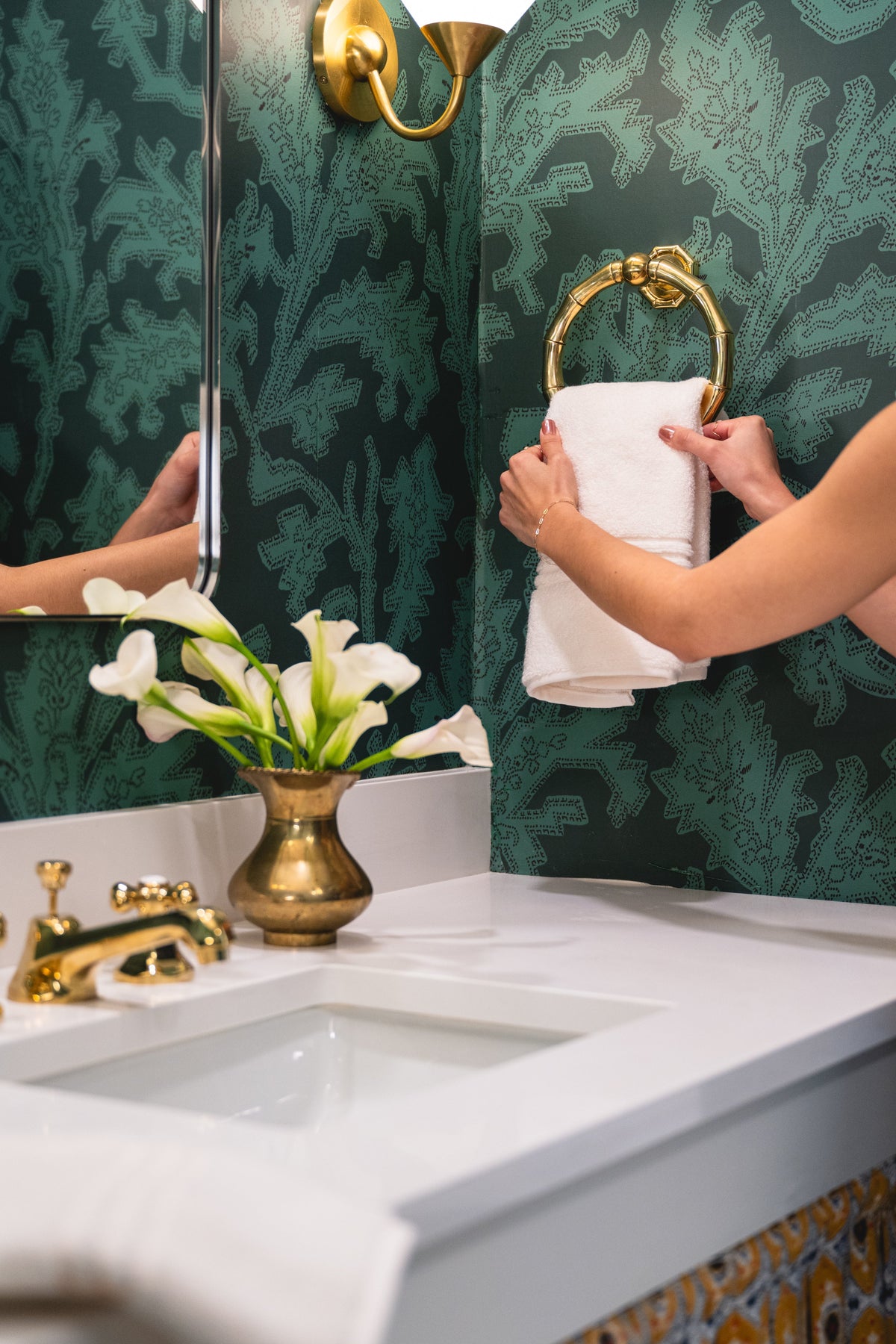
Knobs are often associated with traditional, vintage, or farmhouse kitchens, where softer shapes and smaller details feel right at home. Pulls tend to align with modern, industrial, or contemporary styles, adding clean lines and structure to cabinetry. Finish is what pulls everything together. Brass cabinet hardware can warm up modern spaces, while darker finishes or mixed metals, like in the Pierce and Ward Hardware collection, can bring modernity to classic designs.

Product Spotlight:
Backplates
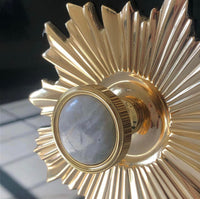
Backplates add visual weight and detail to cabinet hardware while also protecting cabinet surfaces. They add depth and presence without changing the silhouette of your hardware.
The Modern Matter Approach: Hardware as Jewelry
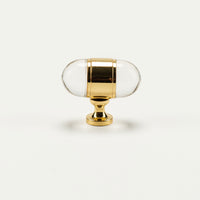
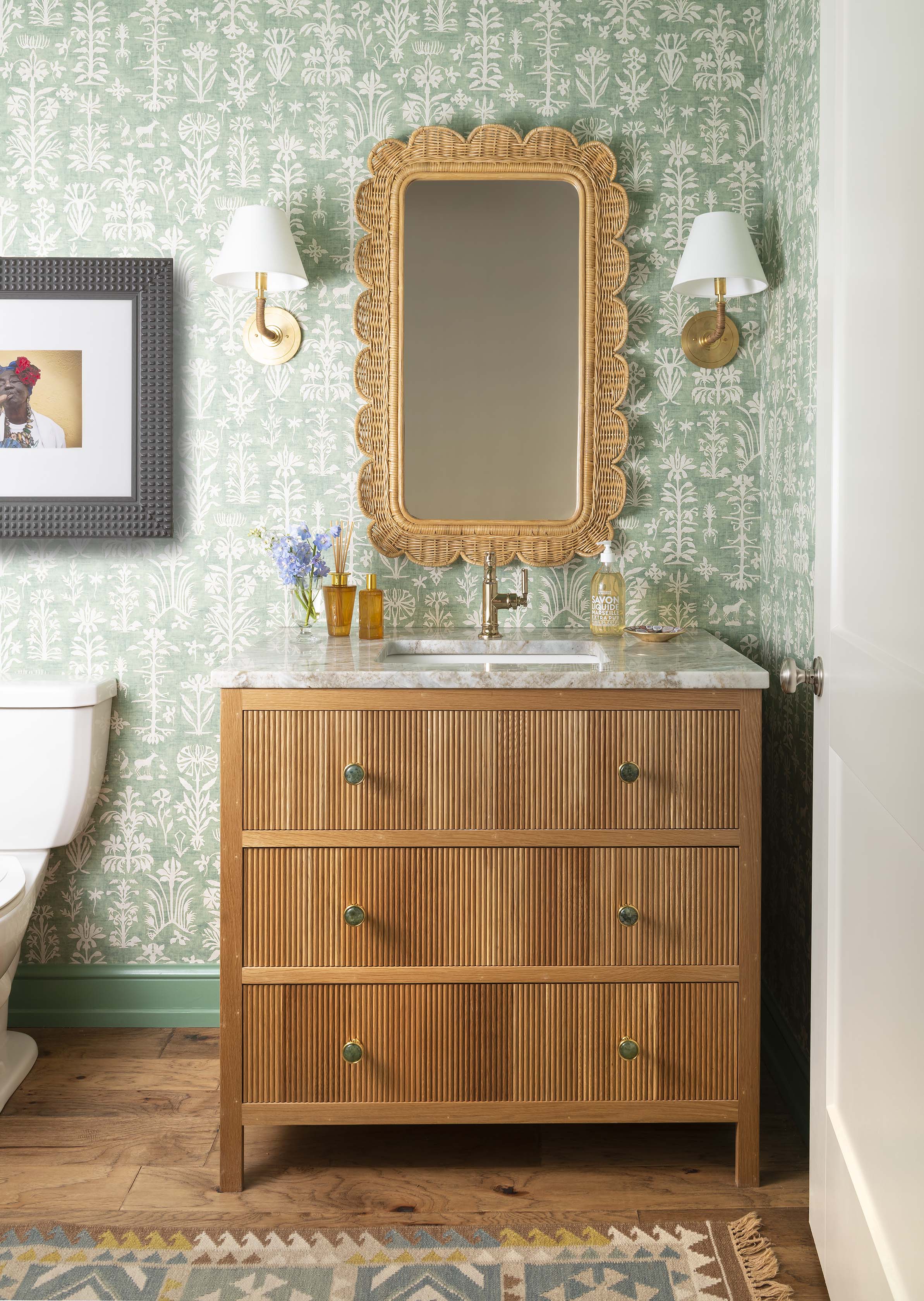
Modern Matter treats cabinet hardware as jewelry for the home. By using unique materials like gemstones and hand-cast brass, hardware becomes a design feature instead of a finishing afterthought. These statement pieces add depth and character, giving even standard cabinetry a more custom feel. Modern Matter collections, including customizable options, balance artistry with the durability needed for daily use.
frequently asked question
What is the “60-30-10” rule for kitchen hardware?
The 60-30-10 rule is a design guideline for color use in the kitchen. It suggests using 60% of a dominant color (such as for the cabinetry), 30% of a secondary color (such as the counters and backsplash), and 10% of an accent color (such as the hardware). This ratio creates balance in the space and ties everything together.
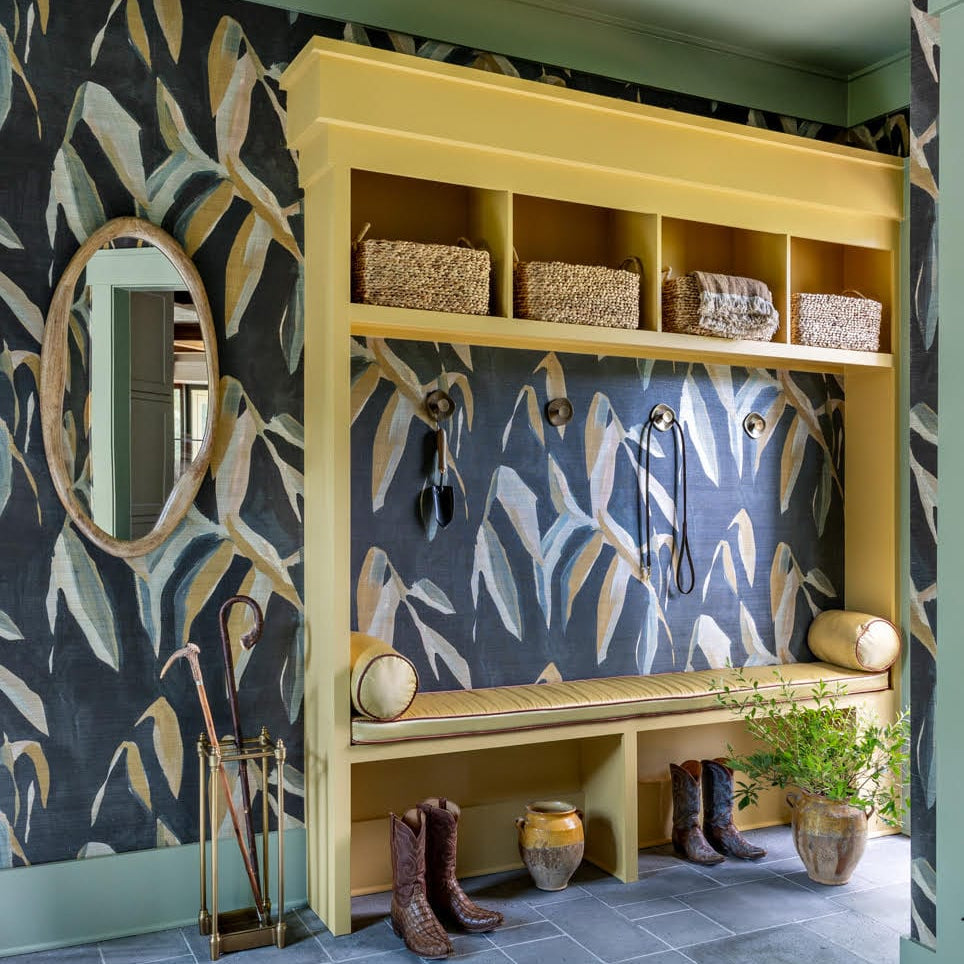
Knobs work best in areas where you want cabinet hardware to be subtle and understated. Their smaller size makes them a natural choice for eye-level cabinetry, keeping the cabinetry lighter and less visually busy.
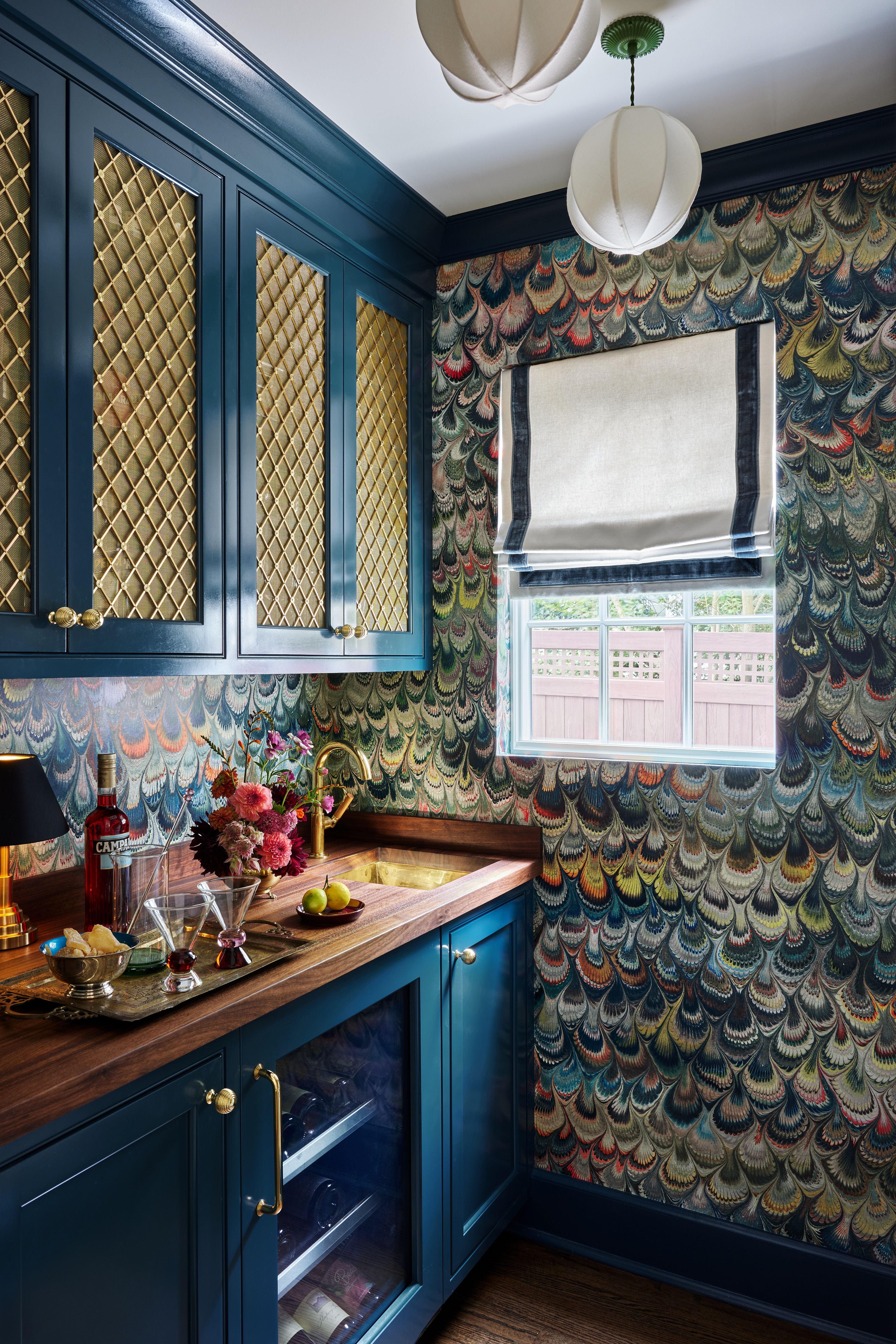
Upper Cabinets & Glass Fronts
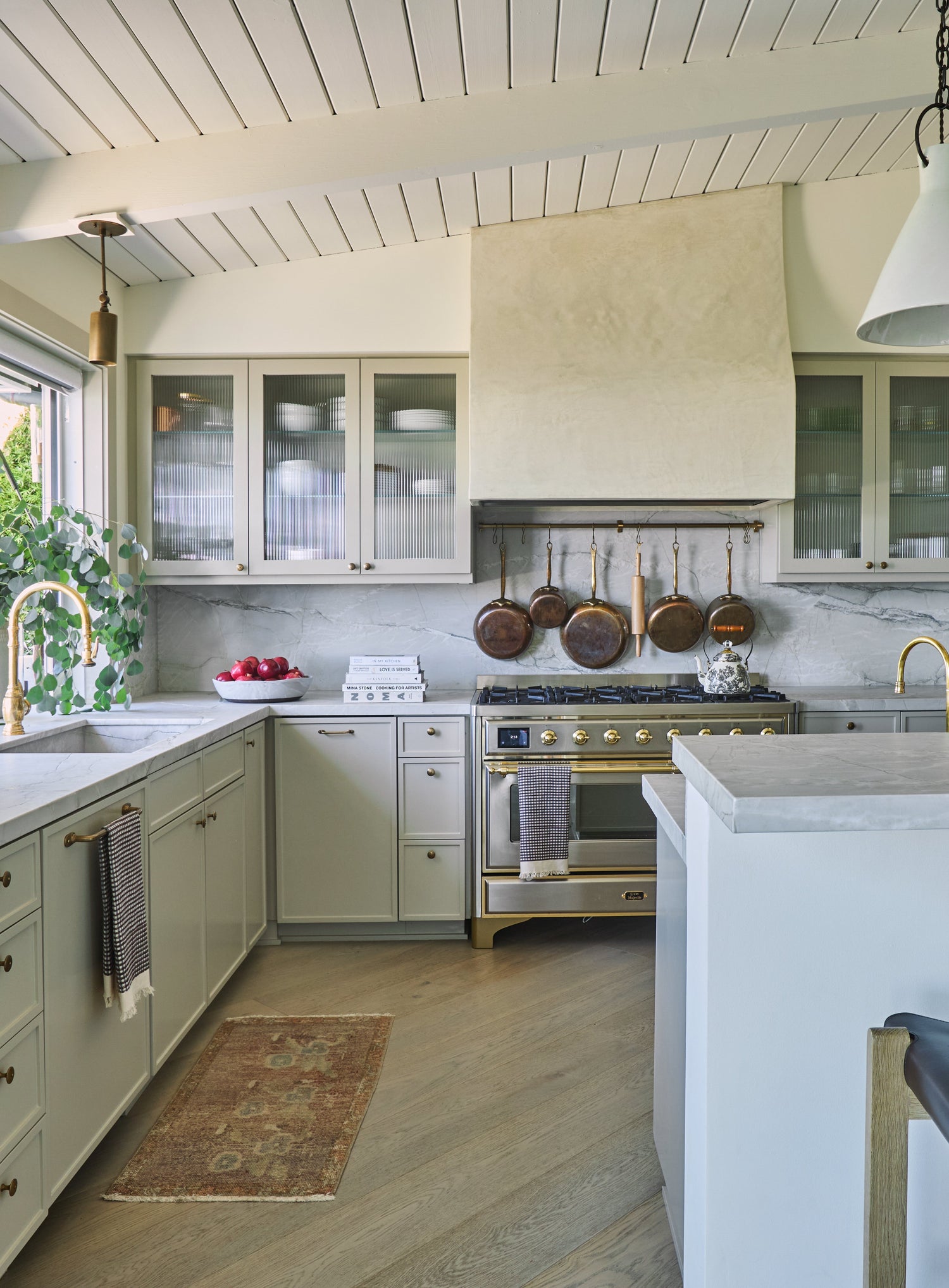
Knobs work well on upper cabinets because they keep visual weight low at eye level. This is especially true for glass-front or mullion doors, where the goal is often to highlight what’s inside. Knobs don’t compete with decorative dishware or glass panels, allowing those details to stand out. Their compact size also keeps upper cabinetry from looking crowded, creating a more open and balanced kitchen.
Small Drawers and Vanities
Knobs are a practical choice for small drawers and vanities where scale matters. They work well on spice drawers, desk drawers, and bathroom vanities, where a larger pull might seem oversized. Because knobs take up less space, they keep smaller drawer fronts from looking crowded. Single-screw installation also makes knobs easy to use on furniture-style pieces, especially when retrofitting or updating existing cabinetry.
Pulls are best used in areas where strength and stability matter most. Their larger size and grip make them a practical choice for heavy-use cabinetry, especially in kitchens with wide drawers and tall storage.
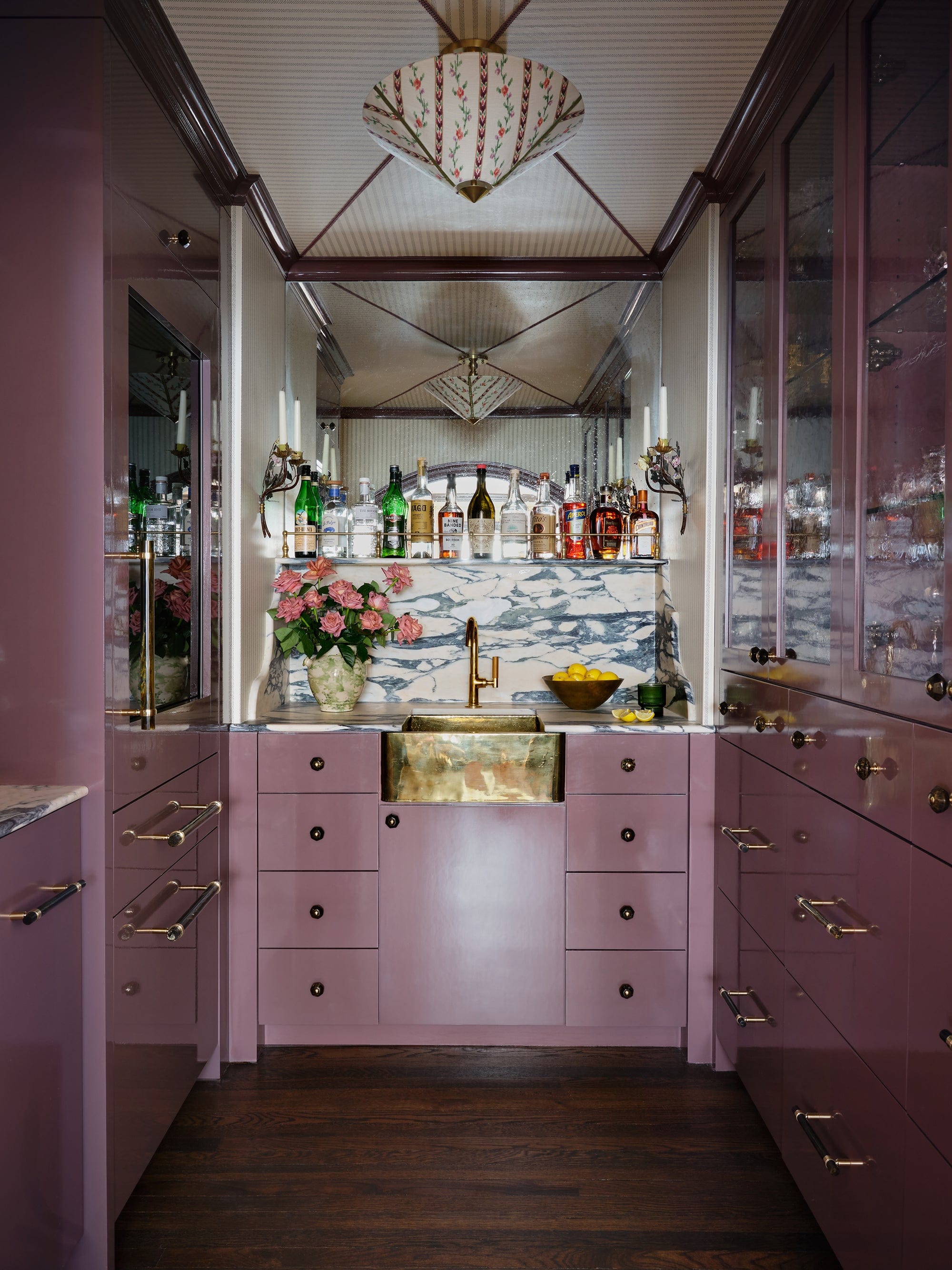
Heavy Drawers & Pantry Cabinets
Heavy pot-and-pan drawers and oversized pantry cabinets benefit from the added support pulls provide. Wider drawers often follow the “two-hand” rule, where using both hands prevents racking and uneven wear. A sturdy handle offers better leverage, making it easier to open heavy drawers smoothly. In high-use areas, pulls make cabinetry more durable, stable, and comfortable to use every day.
Pull Styles and Sizing
Choosing the right pull size starts with the center-to-center measurement, which is the distance between the two screw holes. This measurement should be proportional to the drawer width so the hardware looks balanced and functions well. Longer pulls often work better on wide drawers, while shorter pulls suit smaller fronts. Oversized pulls can also be used intentionally to create a bold, modern look, especially on large drawers or islands.
Decorative Opportunities with Knobs
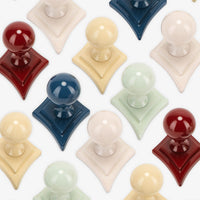
Knobs also offer a chance to make a statement. Using a single “hero” knob on a standout piece, like a furniture-style island or built-in, creates a clear focal point. Modern Matter offers a wide range of shapes, textures, and finishes, making it easy to find something distinctive. Swapping in a unique knob is a simple way to refresh an existing piece of furniture without changing the cabinetry itself.
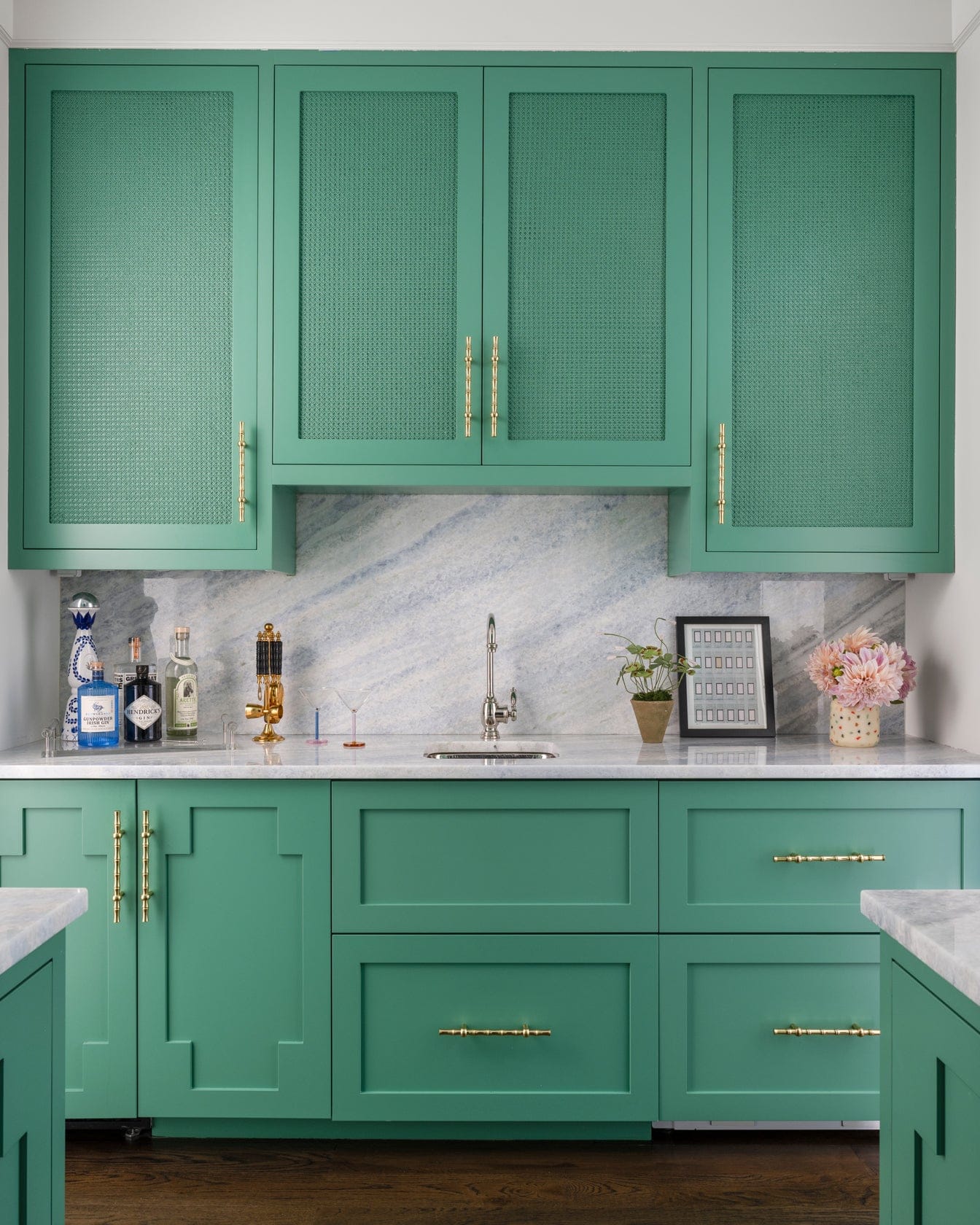
frequently asked question
Are there specific sizing rules for using pulls on larger drawers?
Yes. A common guideline is to choose a pull that’s about one-third the width of the drawer for proper visual balance. For drawers around 30 inches wide or larger, using two pulls is often recommended to improve balance, reduce strain on the hardware, and make heavy drawers easier to open evenly.
Mixing knobs and pulls is a popular approach because it balances function and style. When done well, this mix keeps cabinetry comfortable to use while adding subtle visual contrast. Modren Matter coordinated collections take the guesswork out of mixing knobs and pulls. When both hardware types are designed together, finishes, proportions, and details stay consistent across the space. This matters even more with gemstone hardware, where tone and material create a stronger visual signature. A unified collection lets you mix knobs and pulls while keeping the overall look refined.
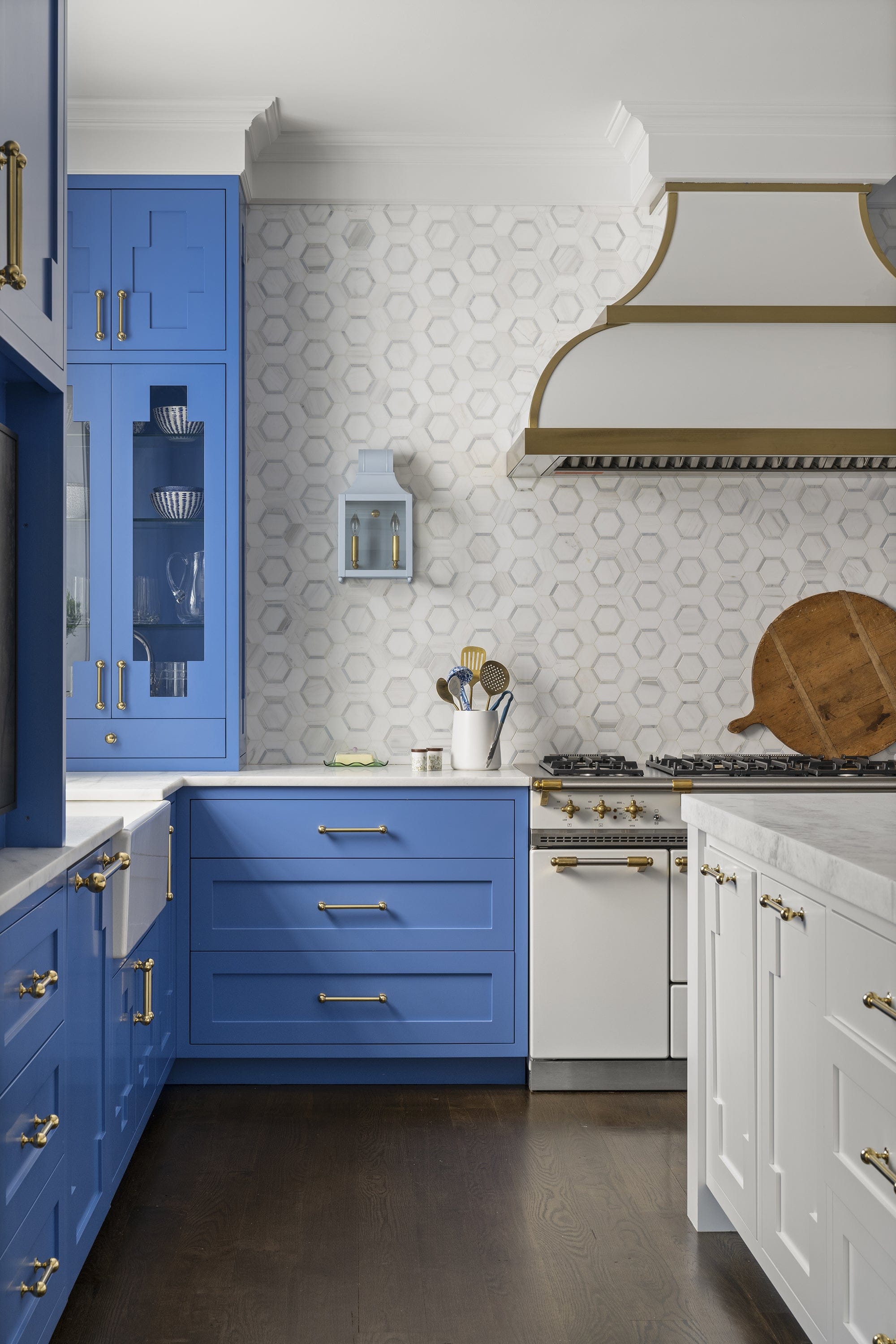
The Designer's Rule of Thumb
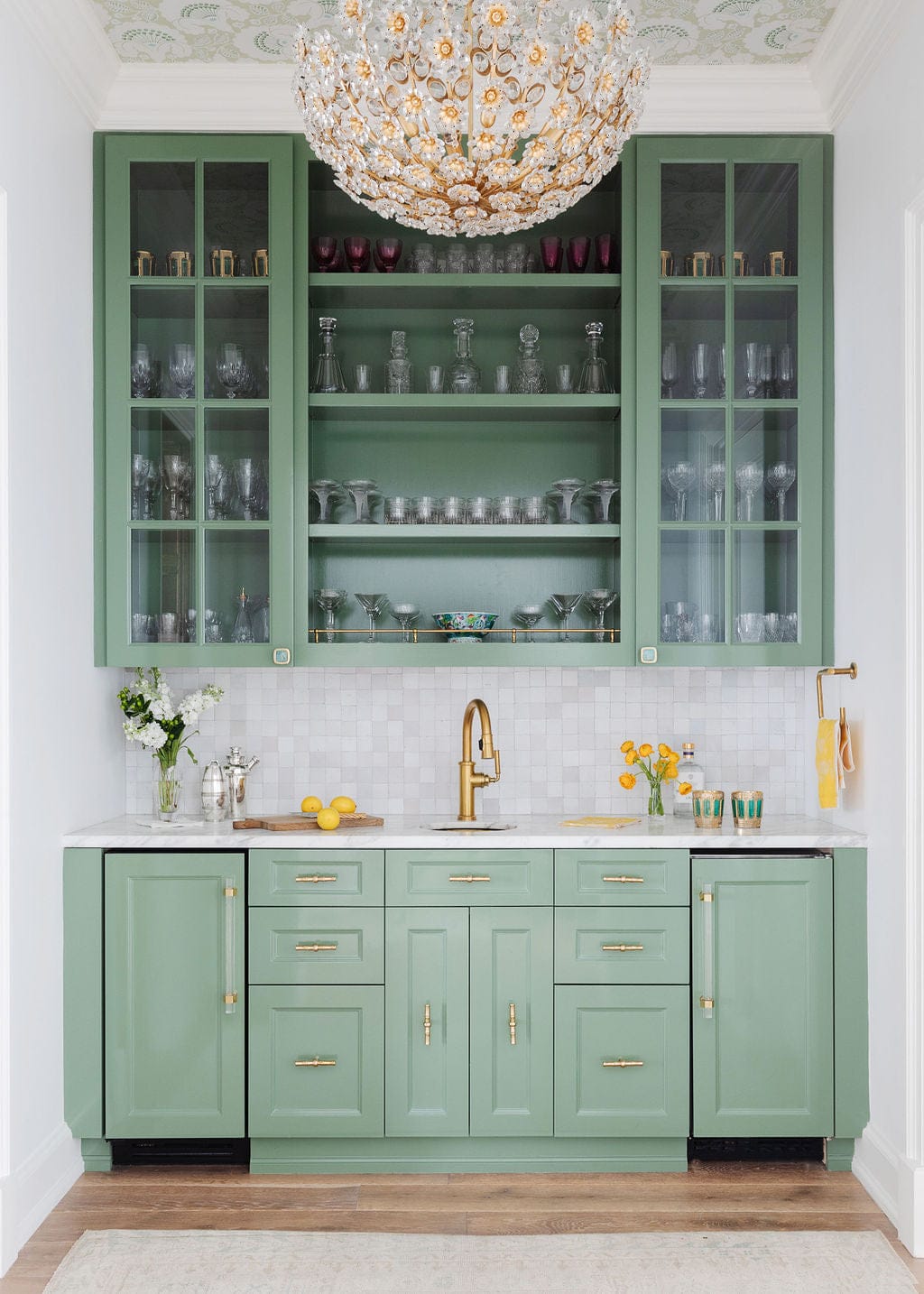
A common designer approach is to use knobs on upper cabinets and pulls on lower cabinets and drawers. Upper cabinets benefit from lighter hardware that isn’t heavy at eye level, while pulls offer better grip and control for heavier drawers below. It’s a layout that feels natural in daily use and stays visually clean. There are exceptions, including all-knob or all-pull kitchens, but mixing the two is often easier when choosing from popular pairings that work together in finish, scale, and style.
Creating Visual Cohesion When Mixing
When mixing knobs and pulls, consistency is what keeps the design from seeming scattered. Matching metal finishes, such as using unlacquered brass throughout, creates a clear visual throughline. Shape matters too. Pairing a square knob with a square-profile pull keeps the look clean and consistent. Maintaining a consistent overall style, whether classic, modern, or layered, brings mixed hardware together, as seen in collections like the Mark D. Sikes Collection.
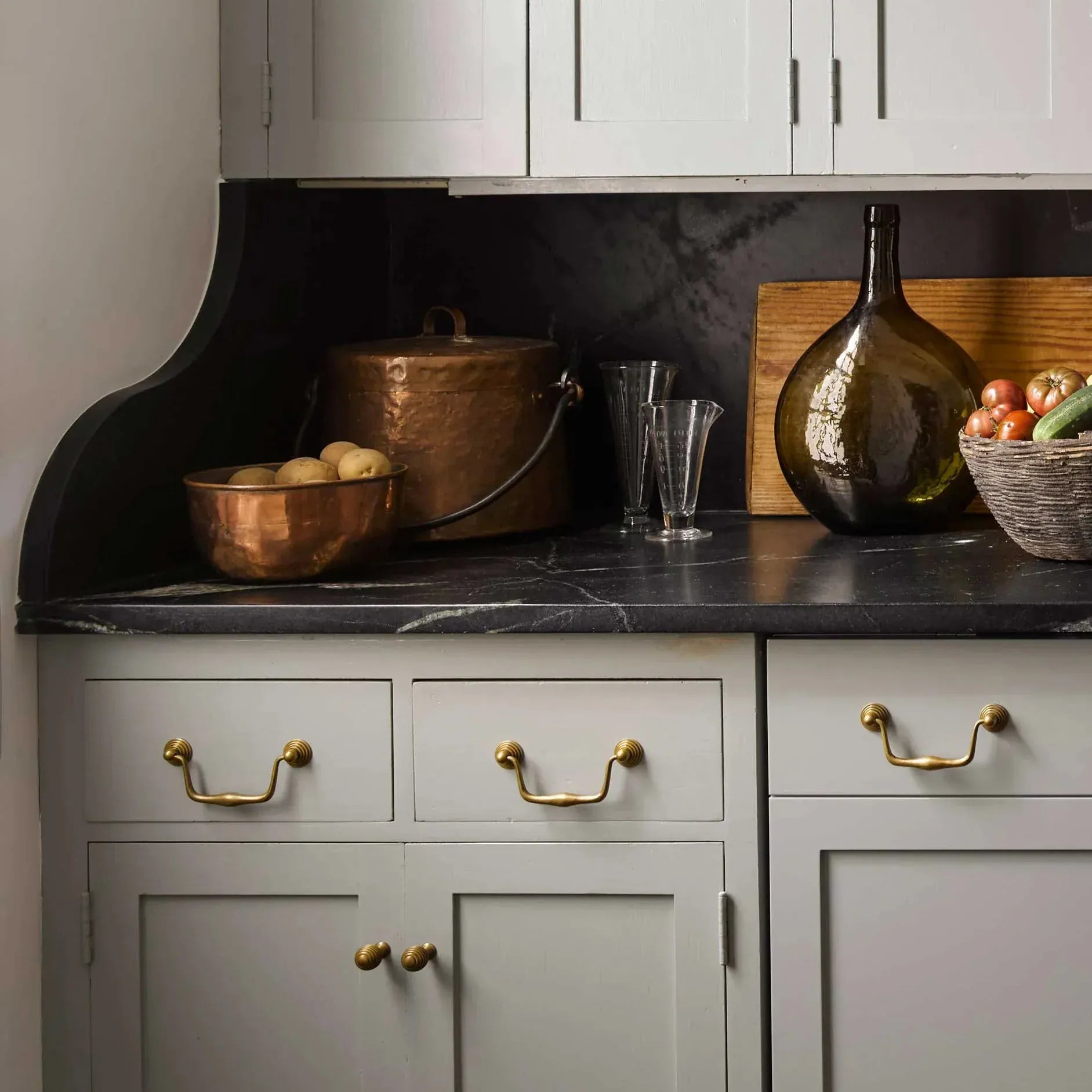
Product Spotlight:
The Washington Collection
A hardware collection with knobs and pulls designed to work together. Consistent finishes and proportions make it easier to mix hardware types while keeping the overall look cohesive
Making Your Final Decision (Questions to Ask Yourself)
Before choosing knobs or pulls, walk through a few practical questions. A simple checklist can keep the decision focused and prevent second-guessing later.
- How do you use the space day to day, and which cabinets or drawers get the most use?
- Are there existing holes you need to work around if you’re remodeling?
- What are your overall design goals for the room?
- Does your budget allow for all pulls, or would mixing be more cost-effective?
Before committing, ordering samples or testing hardware in person can help you decide what feels comfortable and looks right in your space.
Pulling It All Together: Choosing Hardware That Works and Wows
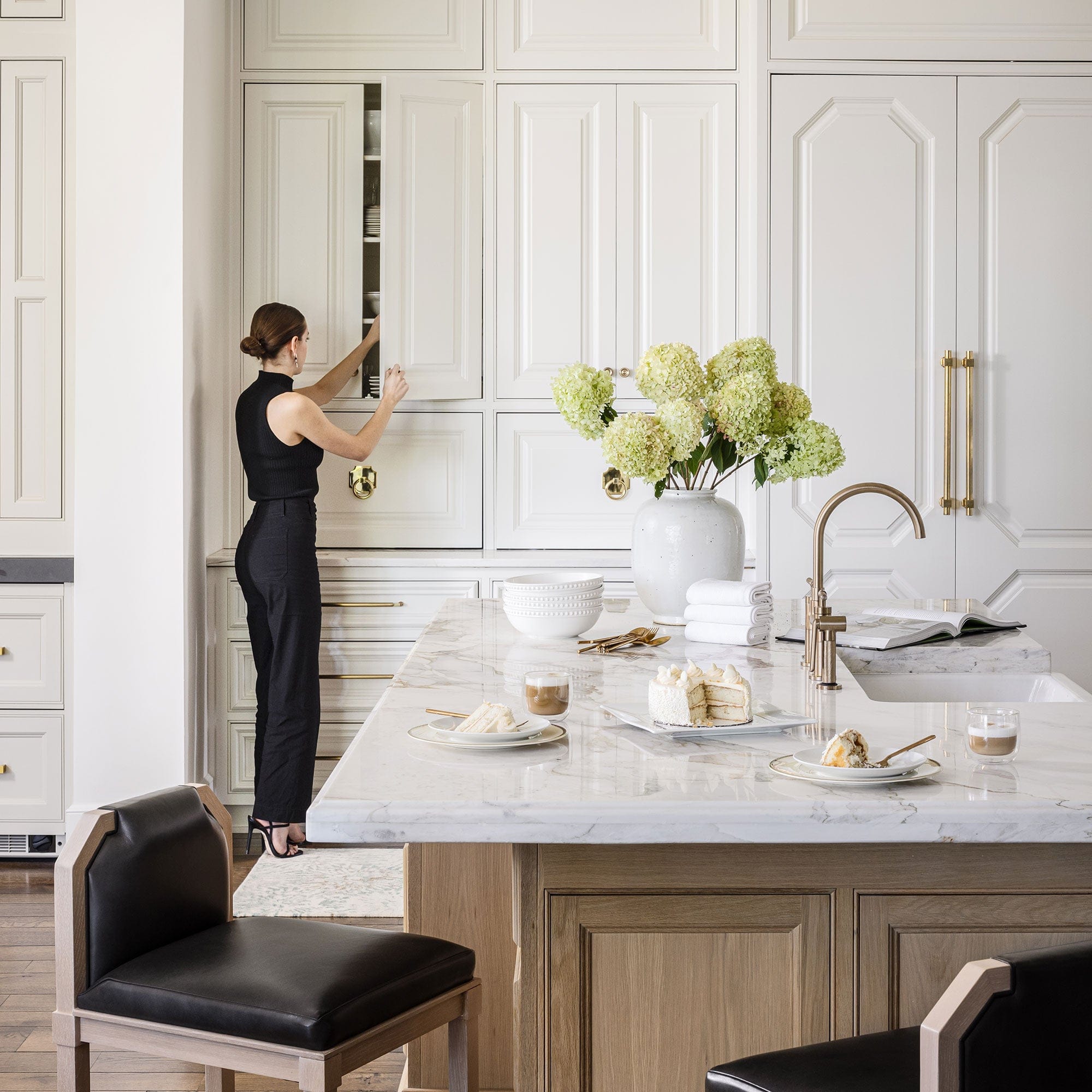
The right cabinet hardware brings both function and personality into your space. With the right choices, knobs and pulls can elevate everyday cabinetry into a true design feature.
Next steps
- Review how you use your cabinets daily
- Decide where knobs or pulls make sense
- Test hardware styles and sizes before committing
Elevate your home’s design with handcrafted, jewelry-inspired details by exploring the full range of luxury cabinet hardware at Modern Matter.