

Modern Matter Blog
Cabinet Hardware Selection Guide: Choosing the Right Pulls, Knobs & Finishes for Your Home
Part 2
In Part One, we explored the fundamentals of cabinet hardware selection, the proportions, placements, and practical decisions that lay the groundwork for a well-designed space. In Part Two, we move beyond the basics and into the nuance, diving into the craftsmanship, longevity, and the subtle design choices that distinguish the considered from the ordinary. From working with existing cabinetry to selecting investment-worthy finishes and exploring statement-making materials, these final layers are where cabinet hardware transforms from a functional detail into a defining design element.
With style, sizing, finishes, and placement in mind, the final step is pulling everything together in a cohesive, practical way. Thoughtful cabinet hardware choices help ensure the space functions well while reflecting your overall design intent.
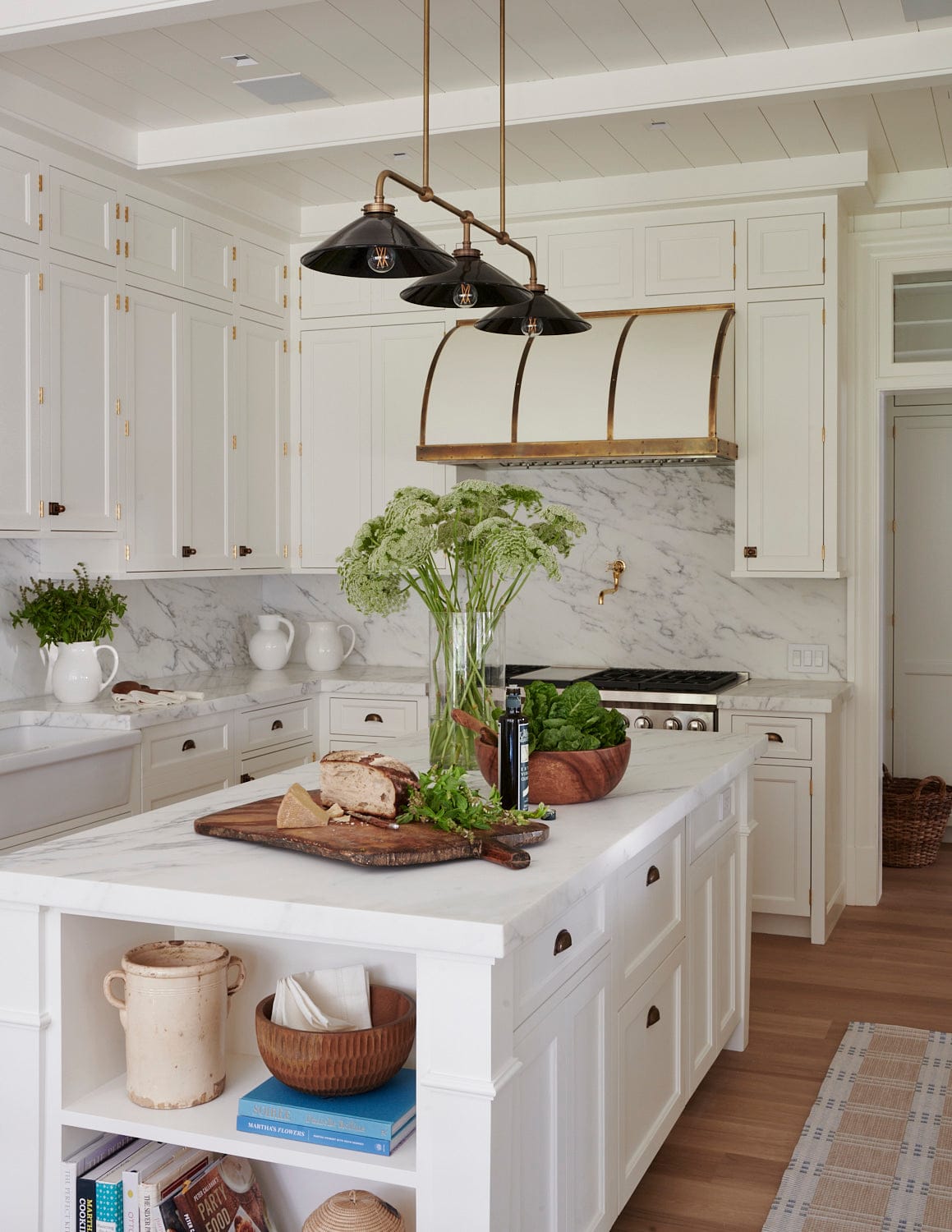
New Cabinets vs. Existing Cabinets
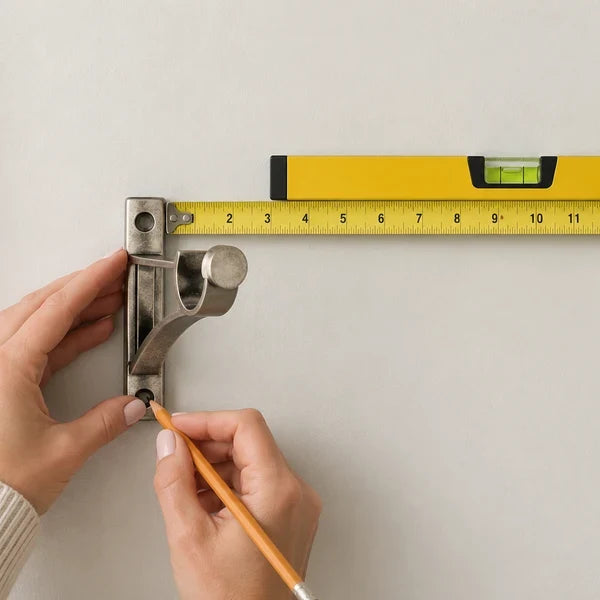
When selecting cabinet hardware, it’s important to consider whether you’re working with new cabinets or existing ones. With existing cabinets, any mounting holes already in place will influence your options. Measuring the center-to-center distance between holes determines which knobs or pulls will fit without additional drilling. In some cases, backplates can be used to cover old holes or marks left behind by previous hardware, allowing for more flexibility in style changes. If the desired hardware doesn’t align with existing holes, re-drilling may be necessary, which requires careful planning to maintain alignment and avoid visible damage.
New cabinet installations offer more freedom, since hardware placement can be planned from the start. This flexibility makes it easier to choose hardware based purely on design, scale, and function rather than existing constraints.
High-Quality vs. Budget Hardware
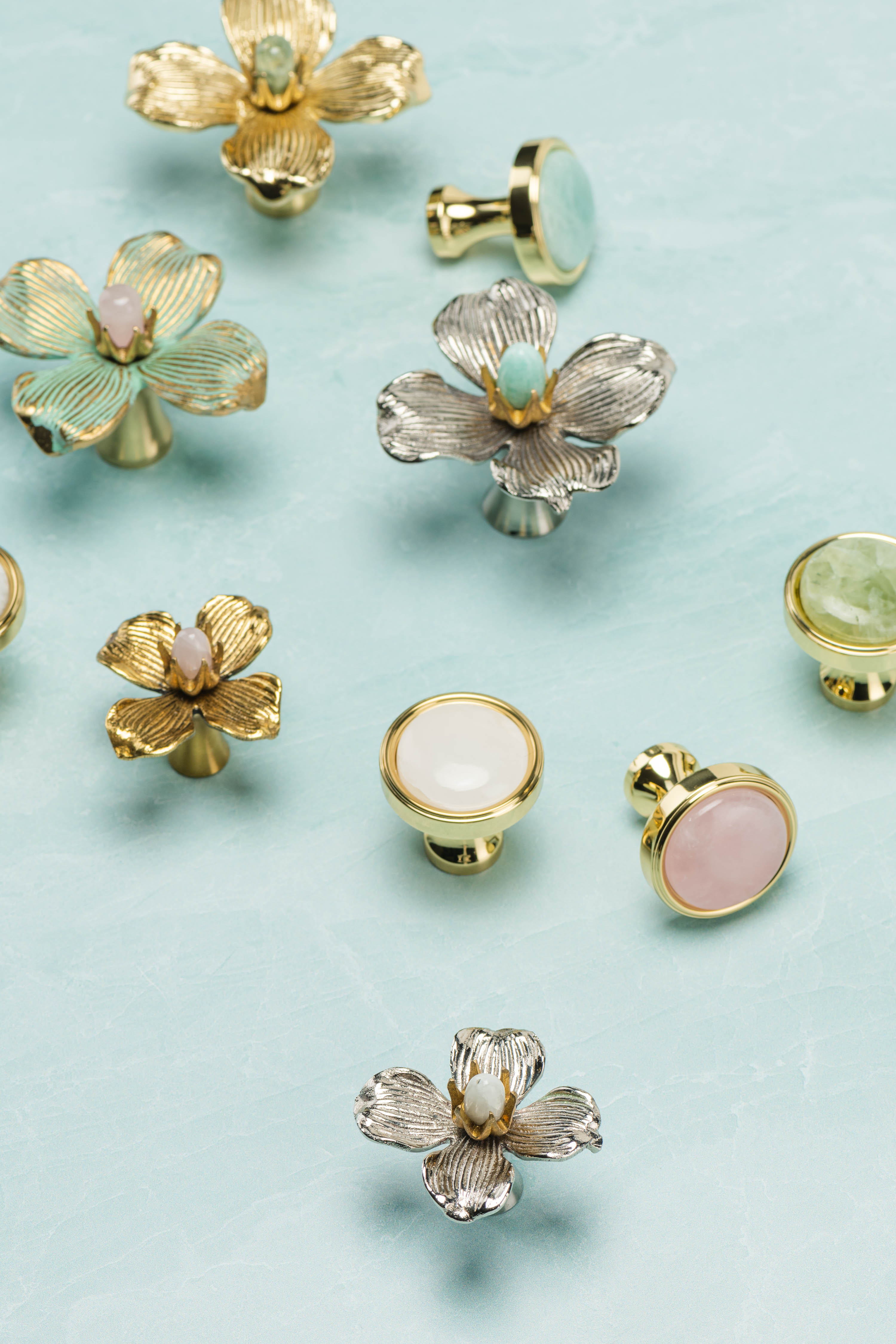
Whether working on a remodel, changing out your existing hardware, or building a new kitchen or bathroom (or both), it's vital to select carefully. I always recommend using high-quality hardware for high-use cabinets or public spaces in your home. They make a big difference, both in appearance and lifespan.
I think it's worth investing in high-quality hardware, especially for hardware that will be heavily used or in public spaces like a kitchen. Plus, high-quality hardware will last longer and look better.
That said, there are places where saving makes sense. Guest bathrooms, secondary spaces, or low-use cabinets can often accommodate more budget-friendly hardware without sacrificing function. When evaluating quality, weight is often a good indicator, as heavier hardware typically signals solid construction. Finish application and overall construction also matter, since well-made hardware wears more evenly and holds up better over time.
Unique and Luxury Cabinet Hardware
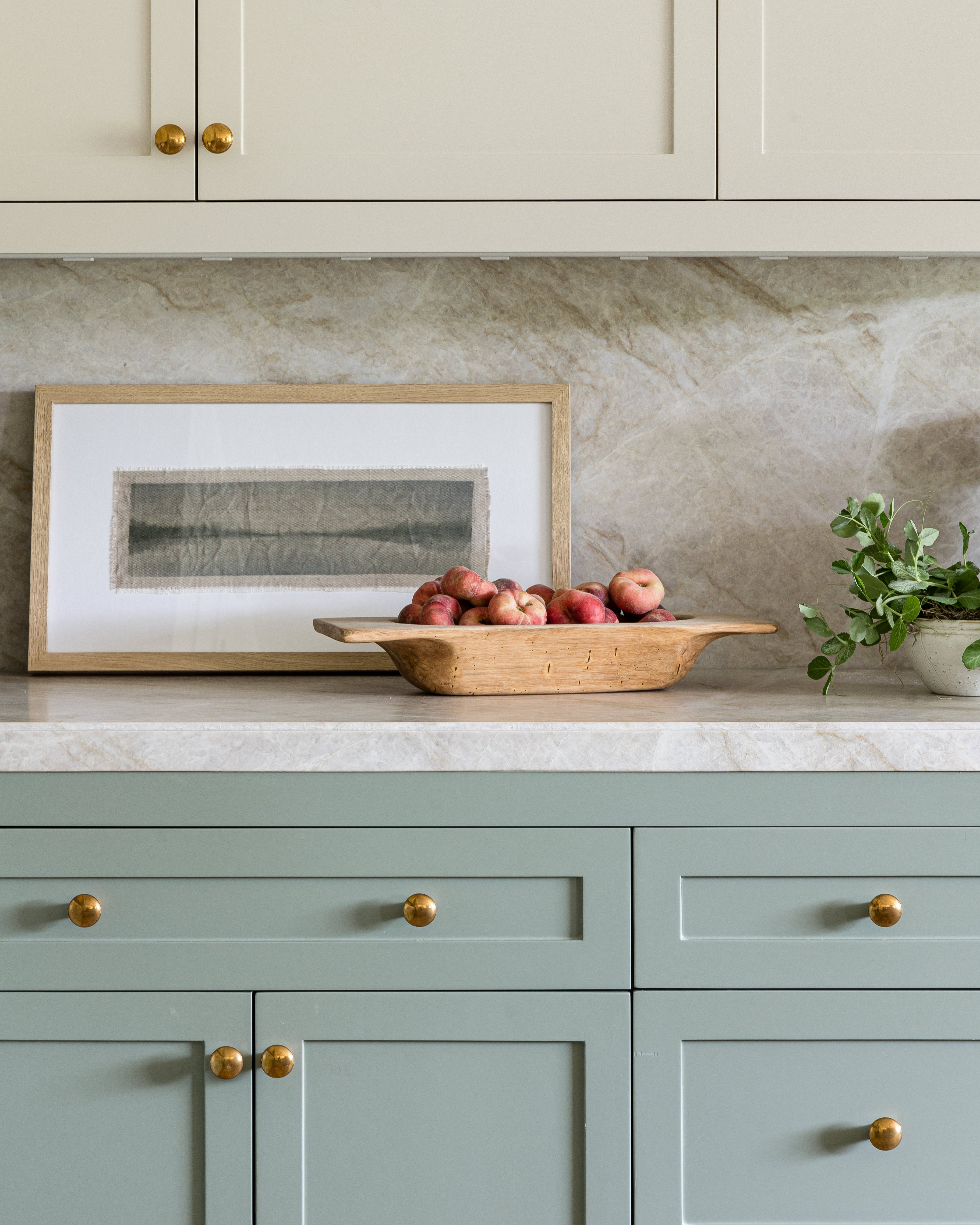
Luxury cabinet hardware goes beyond function, acting as a defining design feature within a space. These distinctive options add texture, craftsmanship, and personality, often becoming focal points rather than subtle accents.
- Designer cabinet hardware collections — Designer-led collections offer cohesive styles with thoughtful details, making it easier to create a polished, high-end look throughout a room.
- Custom and artisan-made options — Handcrafted hardware brings a level of individuality and craftsmanship that mass-produced pieces can’t replicate.
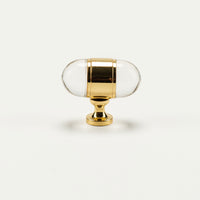
- Gemstone and crystal-embellished hardware — Natural stones and crystals add color, depth, and a jewelry-like quality that elevates cabinetry.
- Leather-wrapped pulls — Leather introduces softness and texture, creating contrast against hard cabinet surfaces.
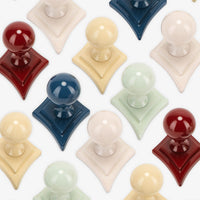
- Ceramic and hand-painted knobs — These decorative options add character and artistry, often used to highlight specific cabinets or furniture-style pieces.
Cabinet Hardware Trends
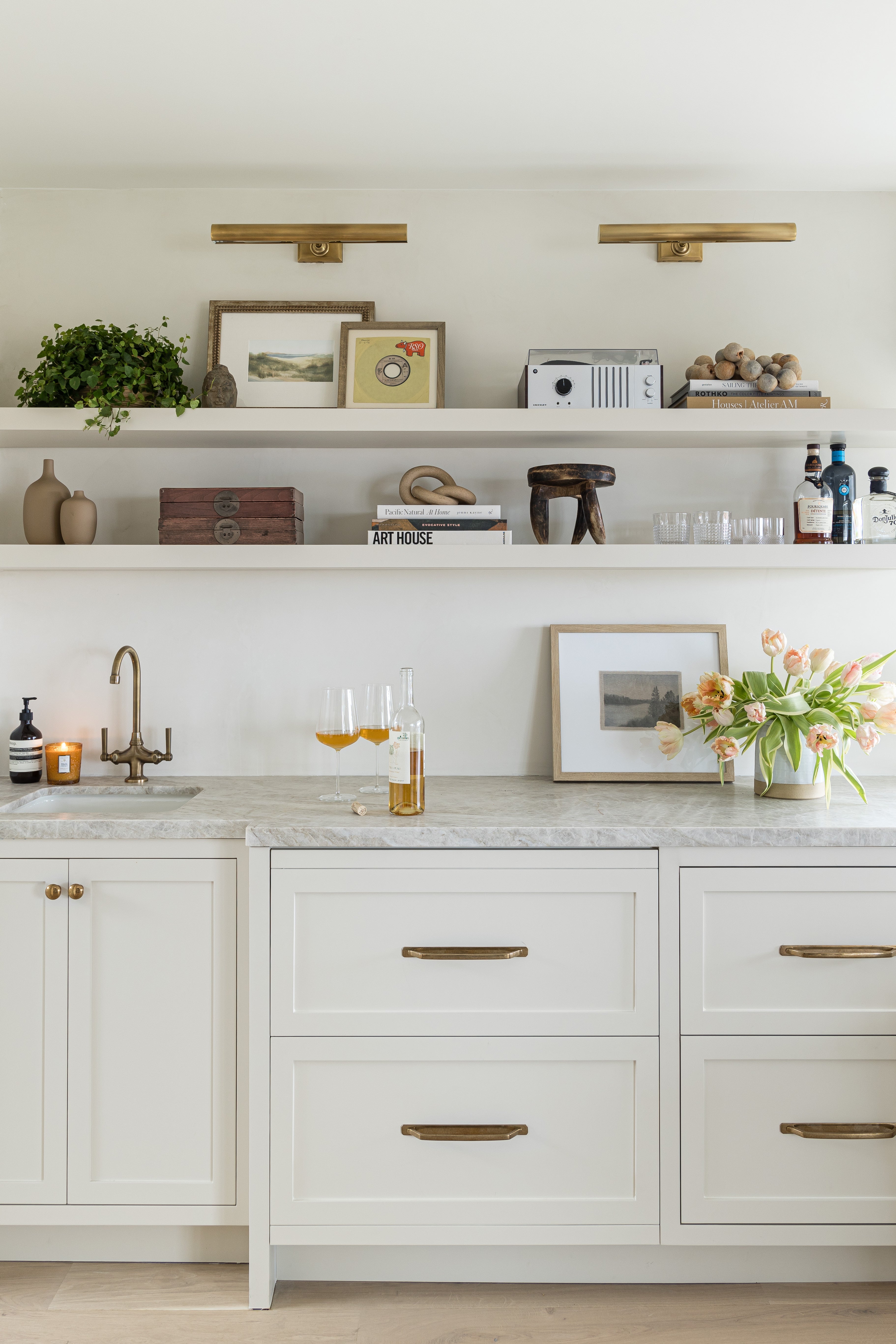
Cabinet hardware trends often reflect broader design movements, with current favorites leaning toward clean lines, warm metals, and mixed finishes. Styles that feel simple and well-proportioned tend to stay popular longer than overly ornate or novelty designs.
Timeless choices, such as classic knobs, understated pulls, and neutral finishes, are less likely to feel dated over time. These options work well as a foundation, even as trends shift. Emerging trends often show up through details like texture, artisan finishes, or unexpected materials rather than drastic shape changes.
When incorporating trends, balance is key. Using trend-forward hardware as an accent while keeping core pieces more classic maintains longevity without sacrificing personality.
Different rooms place different demands on cabinet hardware, from daily wear to moisture exposure. Considering how each space is used ensures the hardware you choose is both practical and visually appropriate.
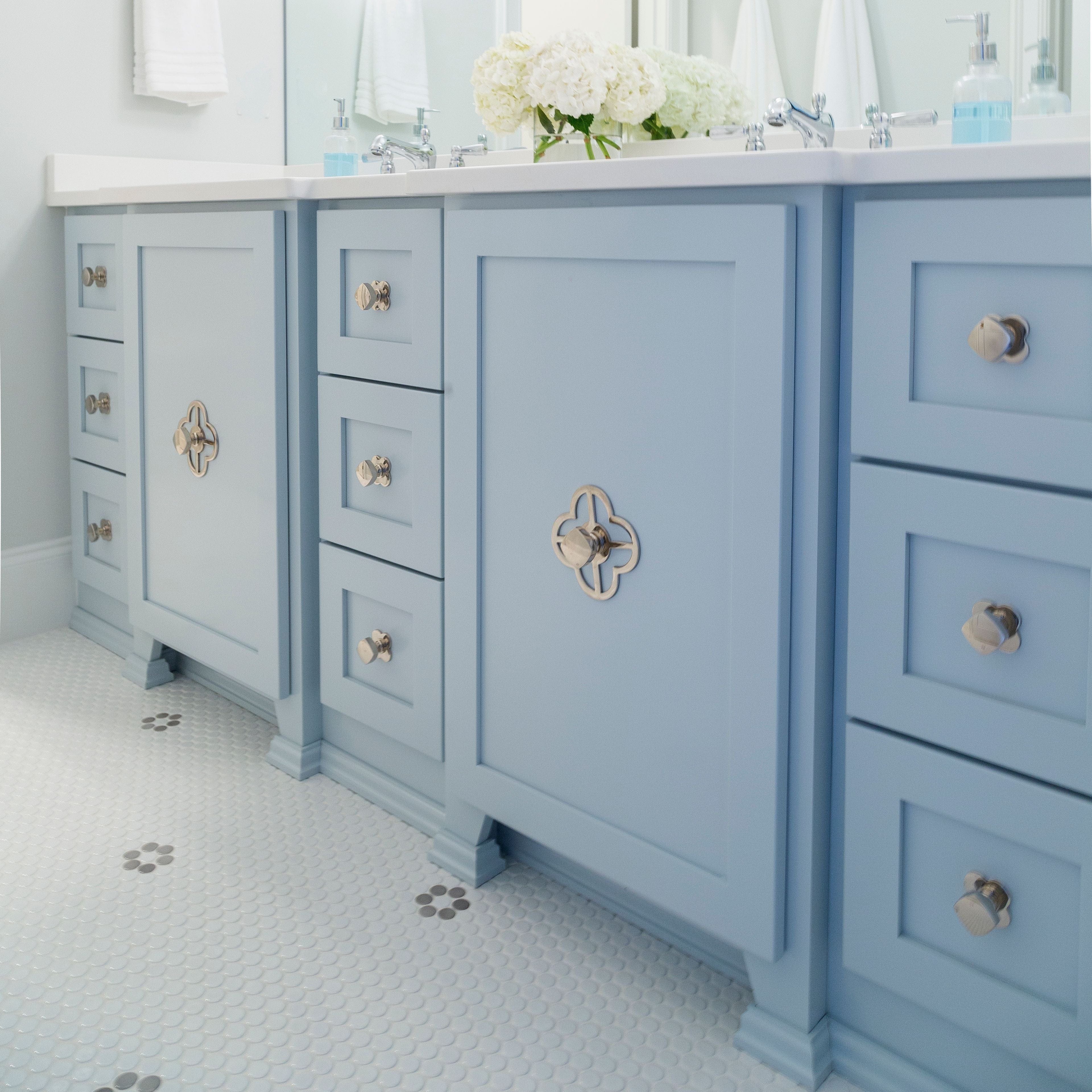
Kitchen Cabinet Hardware
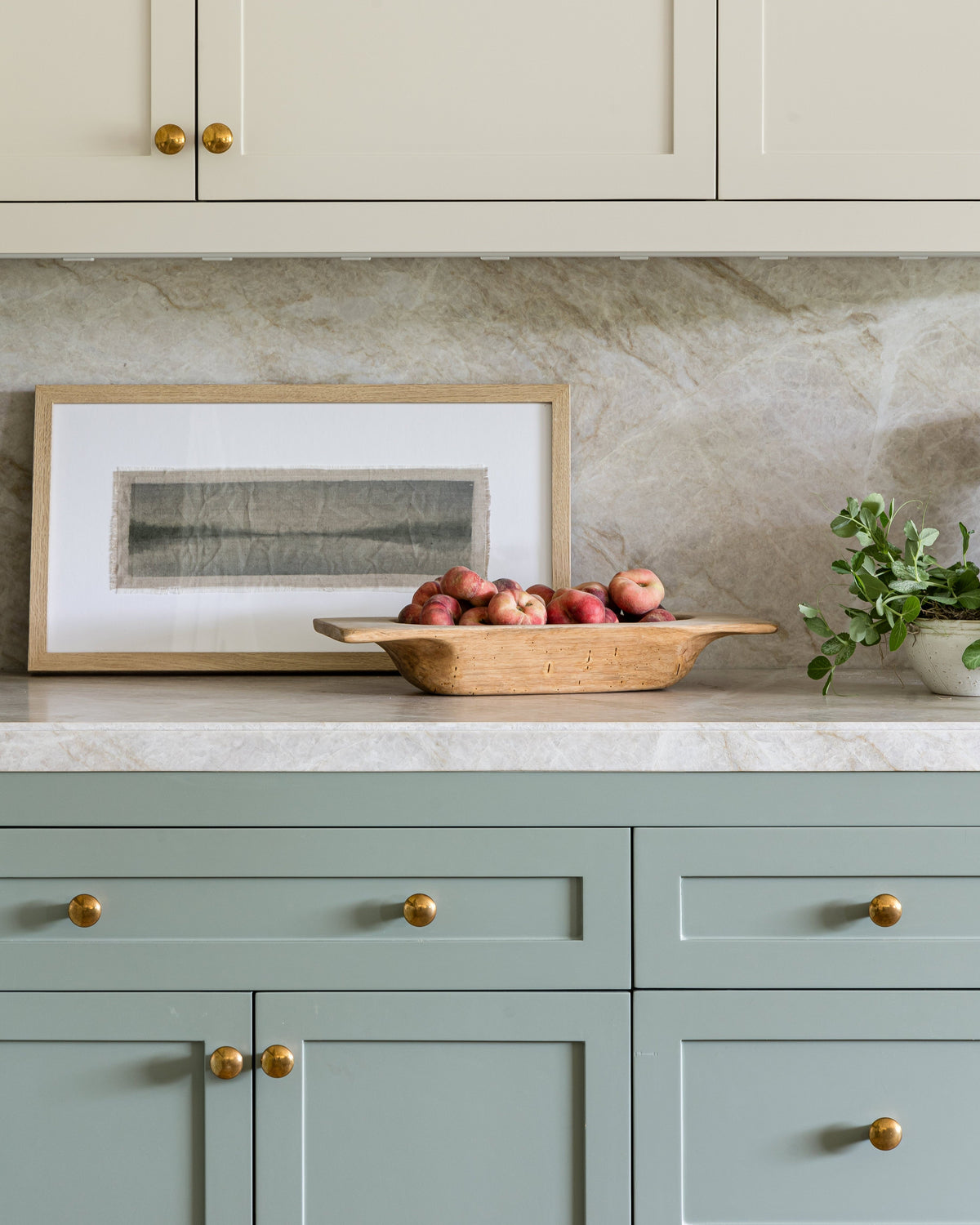
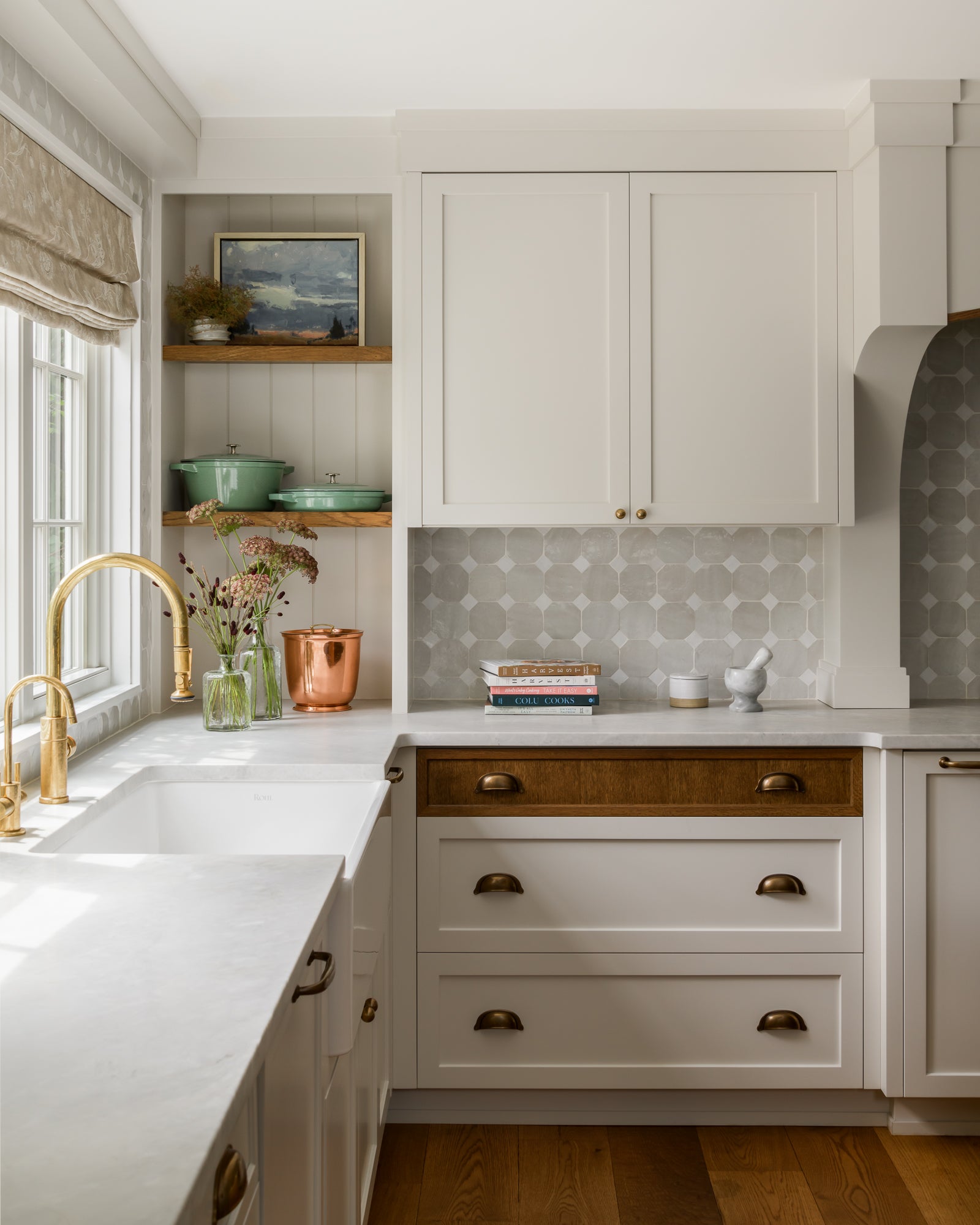
Kitchen hardware needs to stand up to frequent, daily use, so durability should be a top priority. Drawers, trash pull-outs, and high-use cabinets benefit from sturdy pulls that offer good grip and leverage. Finishes should coordinate with kitchen faucets and sinks, either by matching directly or by staying within the same warm or cool metal family.
Kitchen islands are a natural place to introduce statement hardware, such as longer pulls or distinctive finishes, while perimeter cabinets often benefit from simpler, more consistent choices. Appliance pulls require special consideration, as they need to be sized and weighted appropriately to handle heavier doors while visually aligning with surrounding cabinetry.
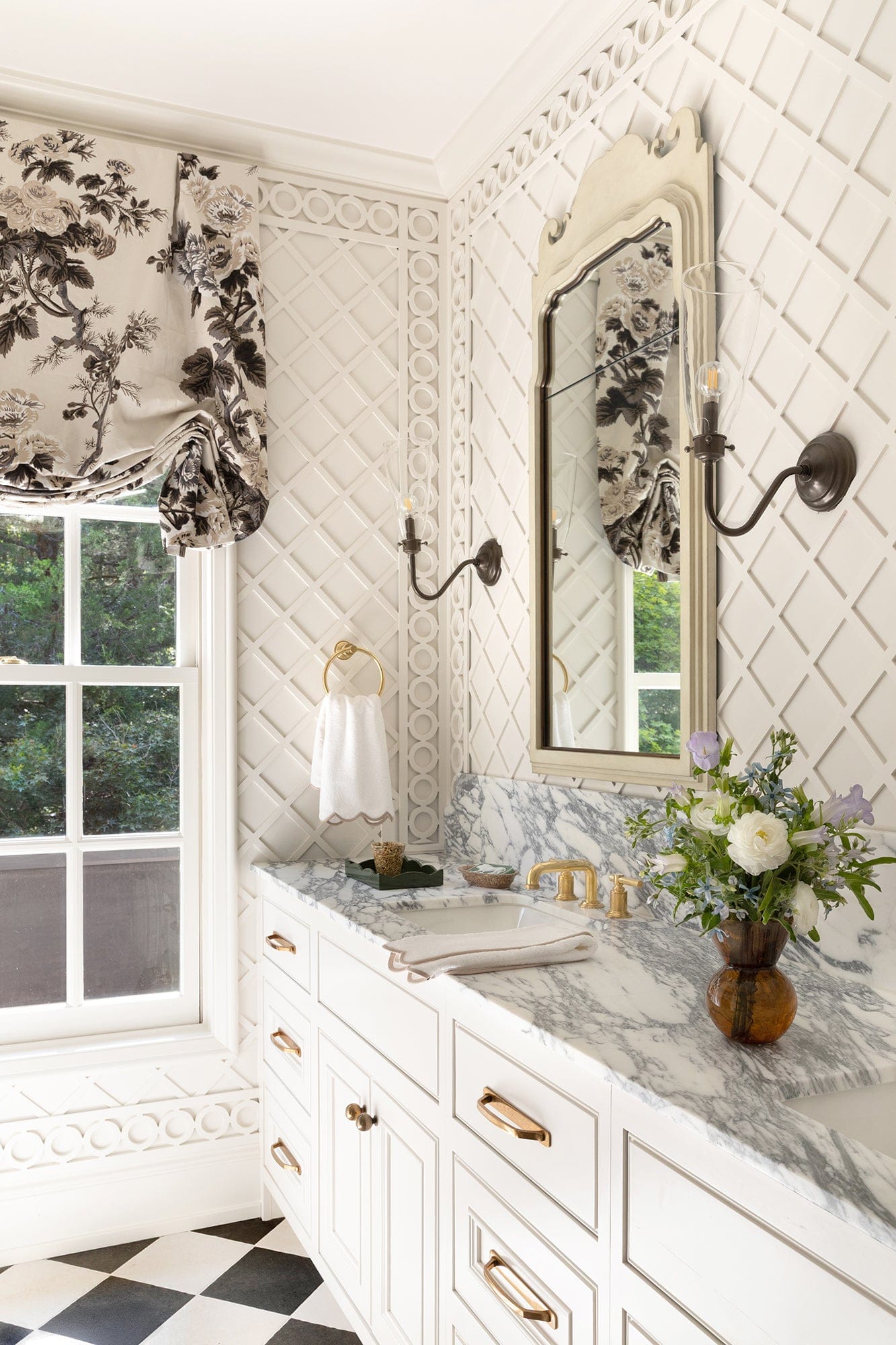
Bathroom Cabinet Hardware
Bathroom hardware should be selected with moisture in mind, making corrosion-resistant finishes especially important. Coordinating hardware with bathroom fixtures like faucets and shower trims helps create a cohesive look, even in smaller spaces.
Scale is also key in bathrooms, where vanities are often more compact. Oversized hardware can feel overwhelming, while smaller knobs or shorter pulls tend to feel more balanced. Decorative hardware works well as an accent, but functional ease should always come first, especially for everyday-use vanities.
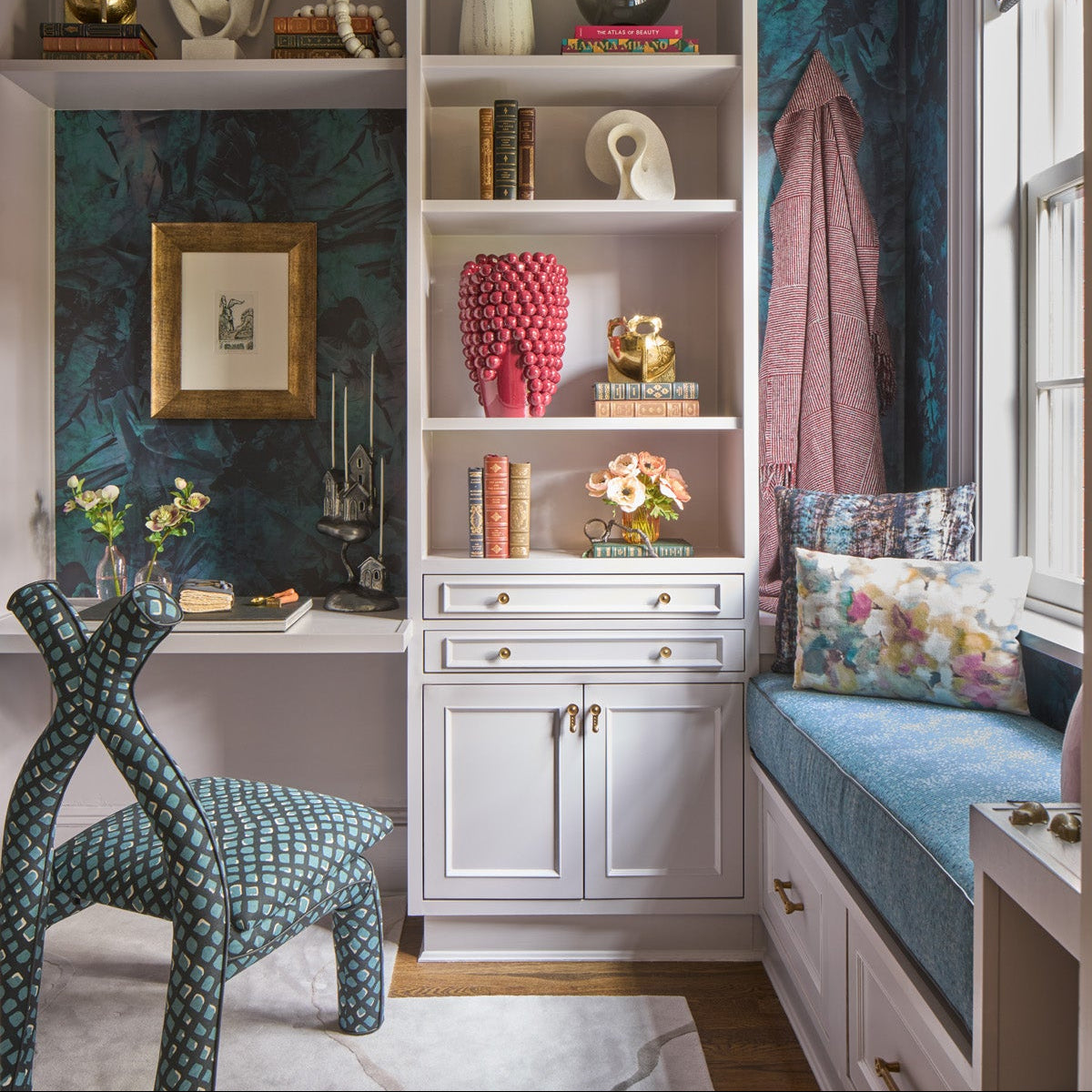
Other Spaces
Cabinet hardware choices extend beyond kitchens and bathrooms into areas like bar cabinets, mudrooms, laundry rooms, and built-in cabinetry throughout the home. Bar cabinets and coffee bars are ideal places to experiment with more decorative or expressive hardware, since they’re often focal points.
In mudrooms and laundry rooms, durability and ease of use matter most, as these spaces handle heavier wear. For built-in cabinetry elsewhere in the home, consistent hardware ties different rooms together while still allowing for subtle variations in finish or scale.
Proper care keeps cabinet hardware looking good and functioning well over time. Cleaning methods should be tailored to the finish, as some metals and coatings are more sensitive than others. In most cases, gentle cleaning with a soft cloth and mild soap is sufficient, while abrasive cleaners should be avoided.

Brass and unlacquered metals may naturally tarnish over time, which can be part of their appeal. Regular dusting and light cleaning can slow this process, while specialty cleaners can be used if a brighter look is preferred. Periodically checking and tightening hardware is also important, as screws can loosen with frequent use.
Over time, hardware may show wear that cleaning alone can’t fix. In those cases, refreshing the hardware with new finishes or replacing heavily worn pieces can restore both function and visual appeal.
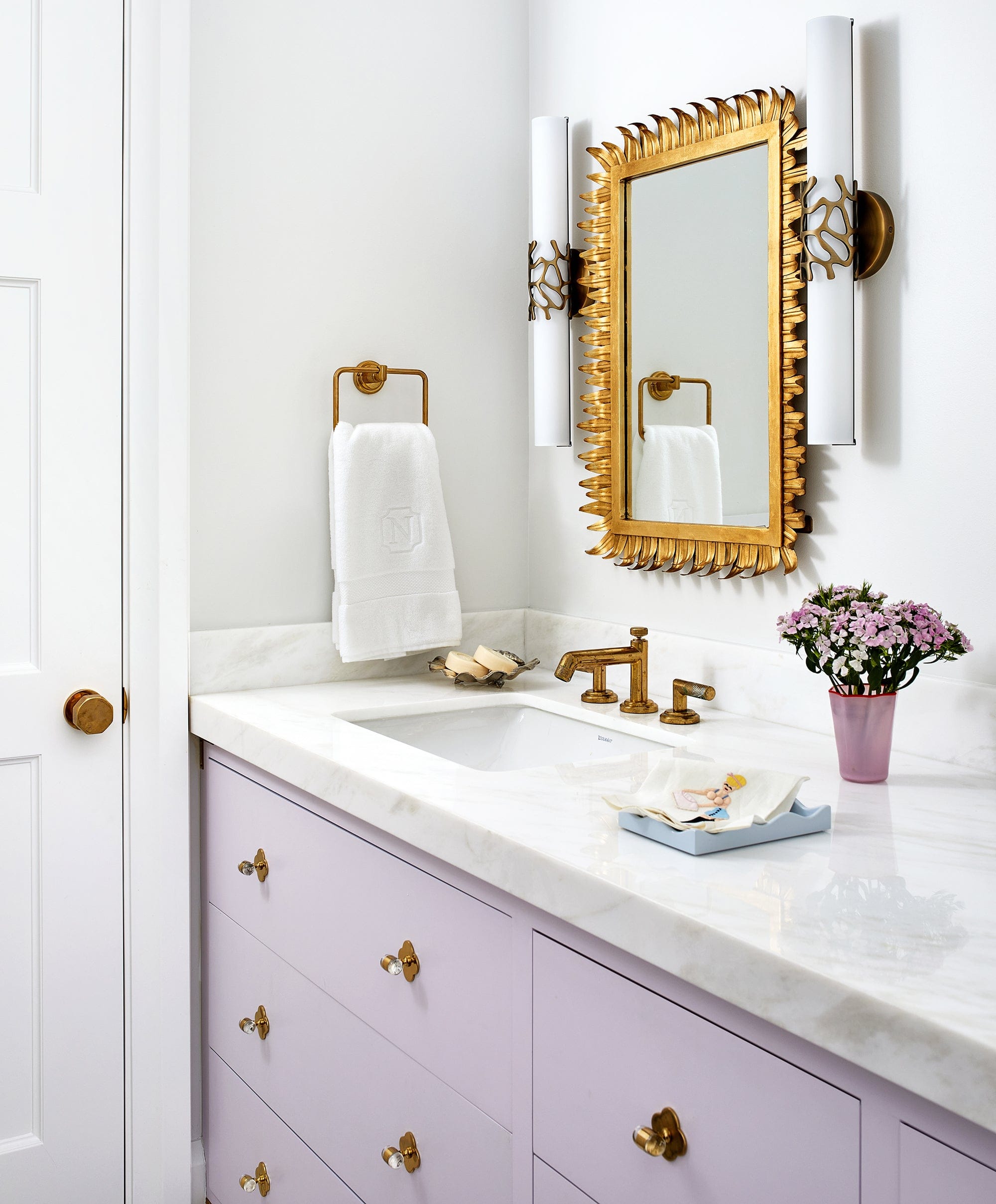
Conclusion
Selecting proper, quality hardware for your cabinets will create a functional and appealing look that enhances the space. While it's one of the last steps in the design process, it is by no means one of the least important. If done correctly, it's a blending of form and function that you will appreciate.