


Modern Matter Blog
How to Update Your Dresser with New Hardware
Elevate Your Decor
A furniture makeover doesn’t have to mean sanding, staining, or starting from scratch. Sometimes, all it takes is new hardware to transform a dresser completely. Carefully selected knobs and pulls act like jewelry for furniture, turning an understated piece into a design focal point. With designs from Modern Matter, you can create a tailored, high-end finish in a single afternoon.
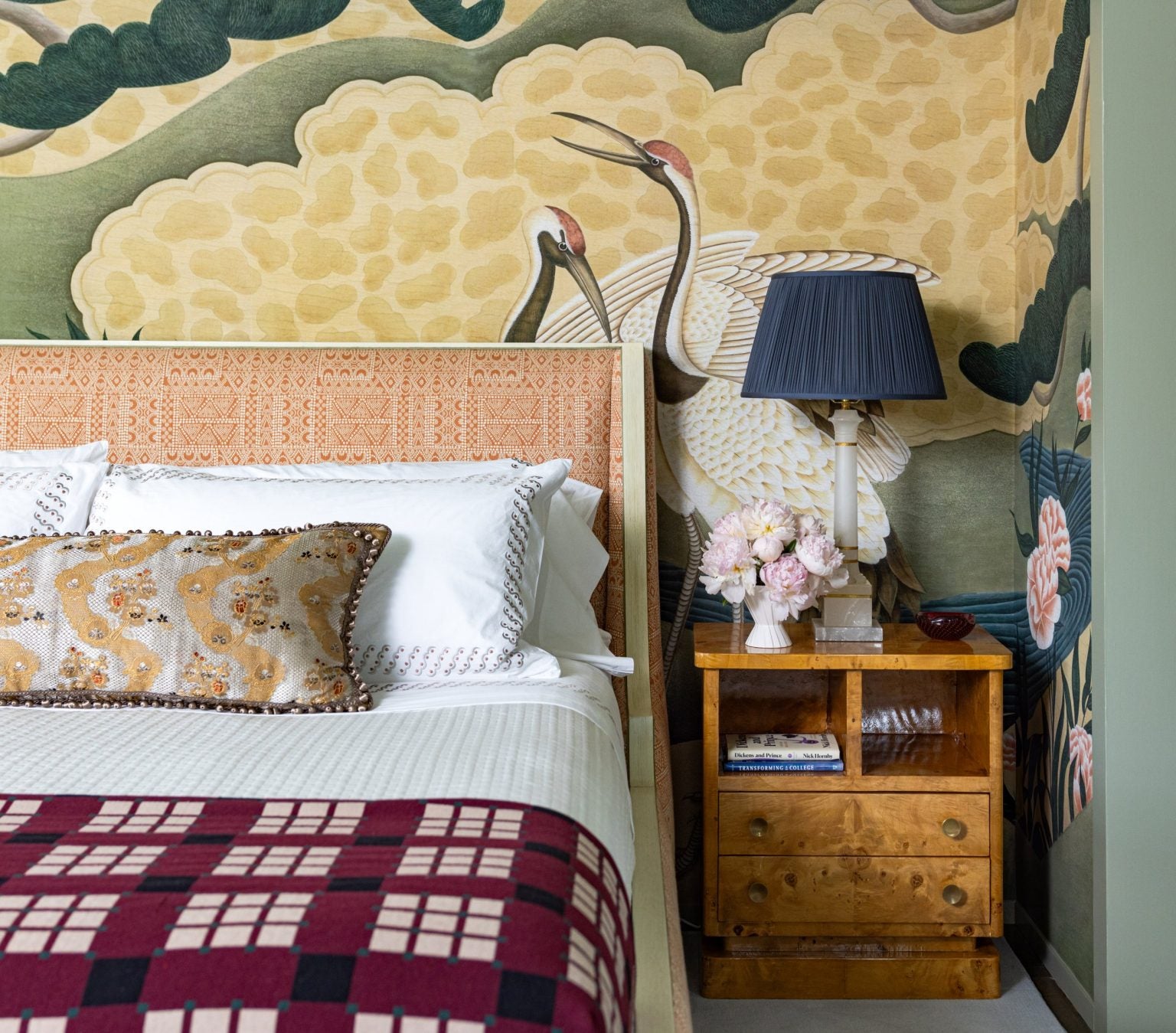
Few changes refresh a dresser as quickly as replacing the hardware. Quality knobs and pulls add personality, polish, and architectural detail in an instant. Rather than replacing the whole dresser, new hardware lets you refine the look with minimal disruption. You can also explore refined options in Modern Matter’s Living Area Collection to see how small details create dramatic transformations.
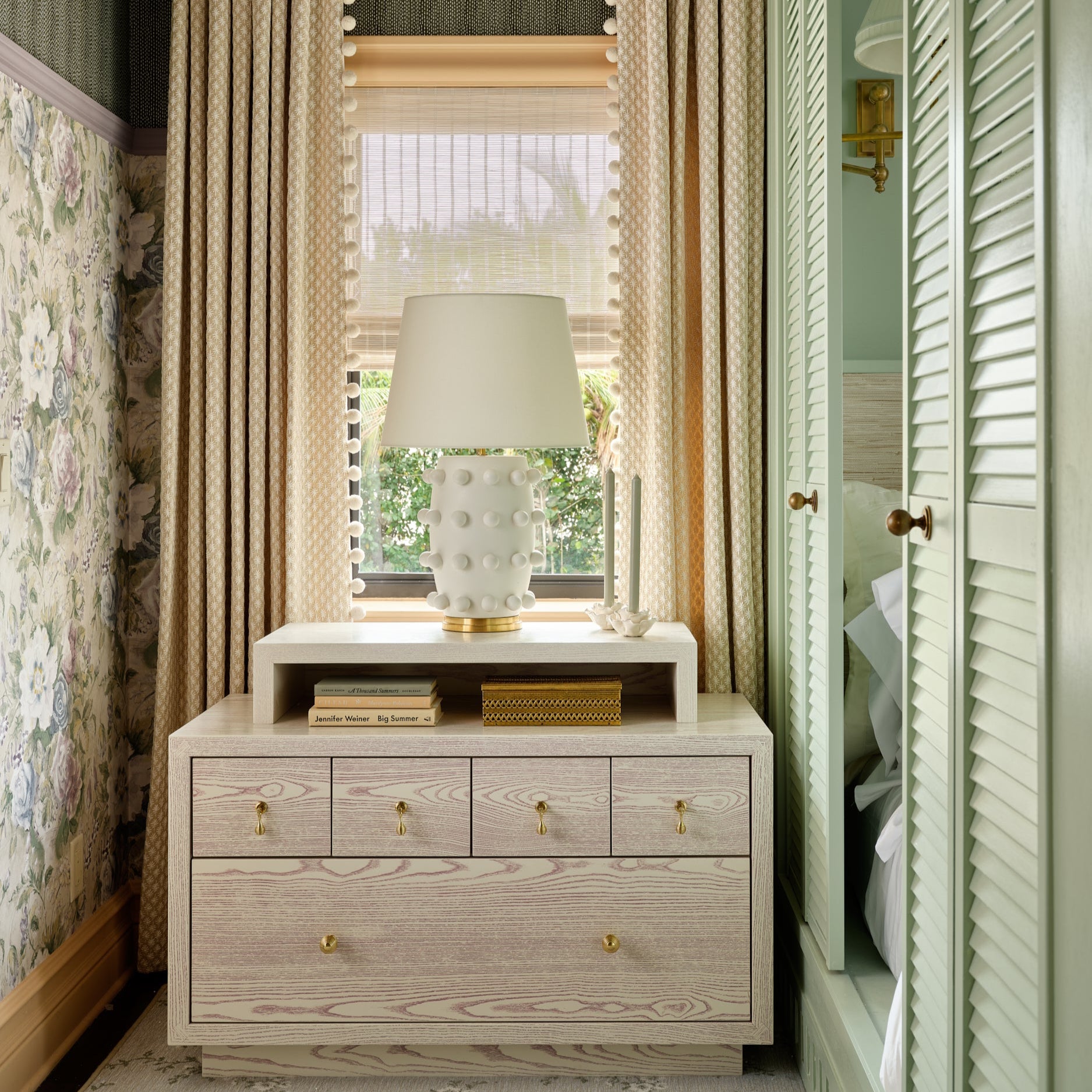
Below, you’ll learn how to:
- Choose hardware that fits your aesthetic
- Coordinate finishes like a designer
- Measure and install with precision
- Mix knobs and pulls for visual impact
Before you begin your update, take a moment to consider both the visual impact and everyday functionality of your new hardware. The best results come from balancing proportion, comfort, and scale so the piece looks well considered.
Identifying Your Interior Design Aesthetic
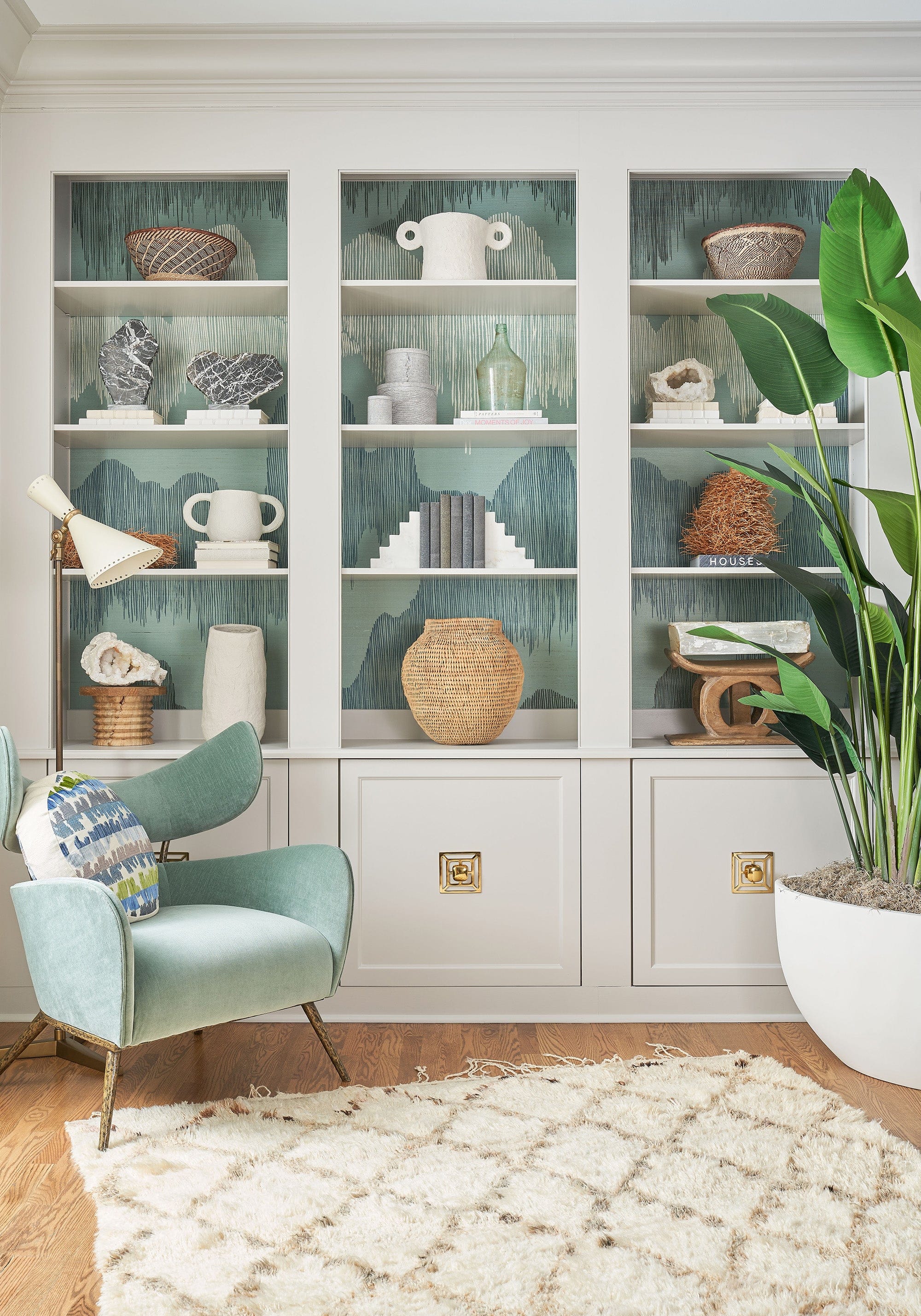
Begin by defining the overall aesthetic of your bedroom. Are you drawn to minimalist interiors with clean lines and subtle finishes? Or do you prefer vintage-inspired silhouettes with decorative detailing? Industrial spaces lean toward bold shapes and darker finishes, while transitional rooms mix classic forms with modern simplicity.
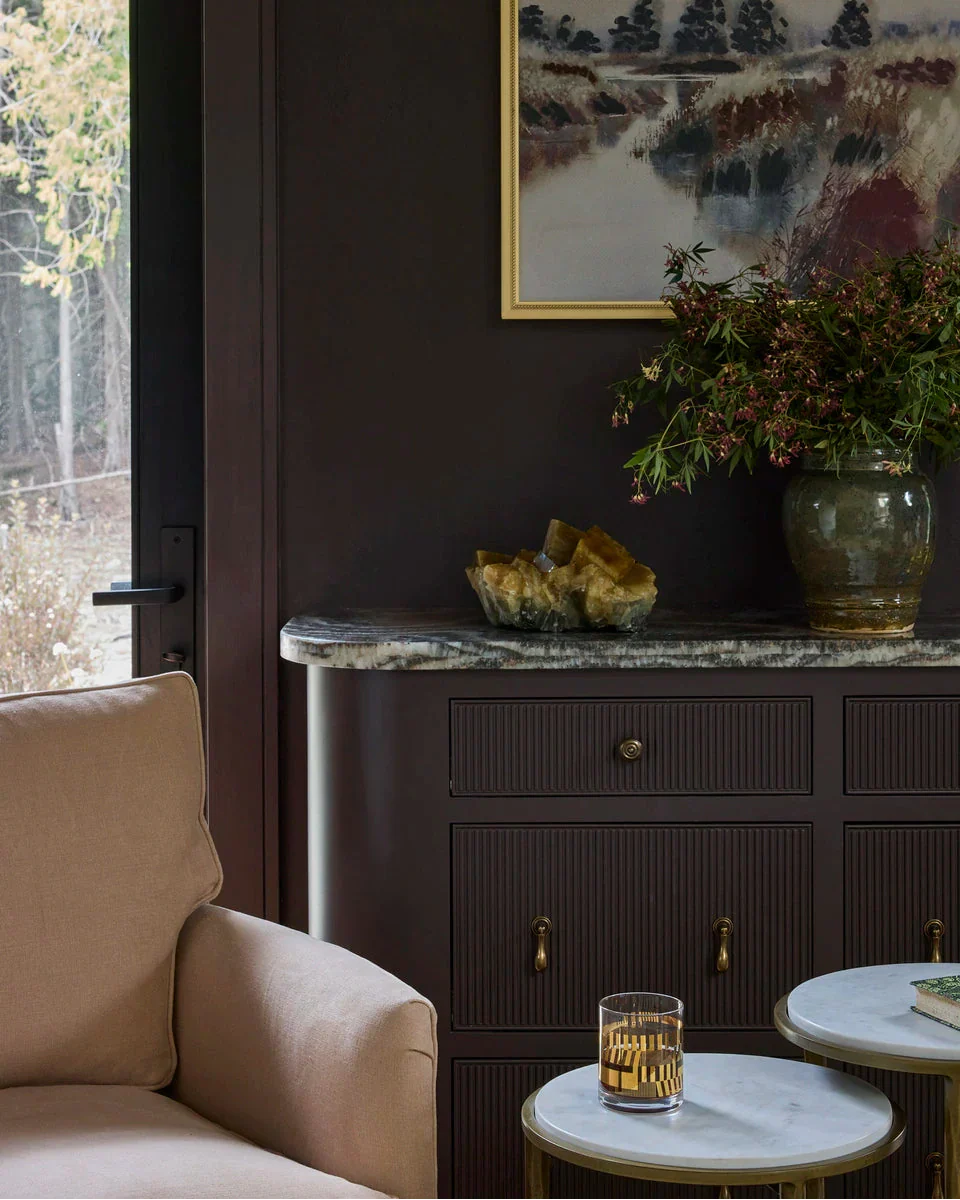
Look closely at your existing furniture profiles, wall color, and textiles. Curved drawer fronts pair beautifully with rounded knobs, while streamlined case goods often benefit from elongated pulls. Browsing curated collections, such as Modern Matter’s Living Area Hardware, can help you select shapes and styles that align with your overall aesthetic.
Matching Finishes with Existing Bedroom Elements
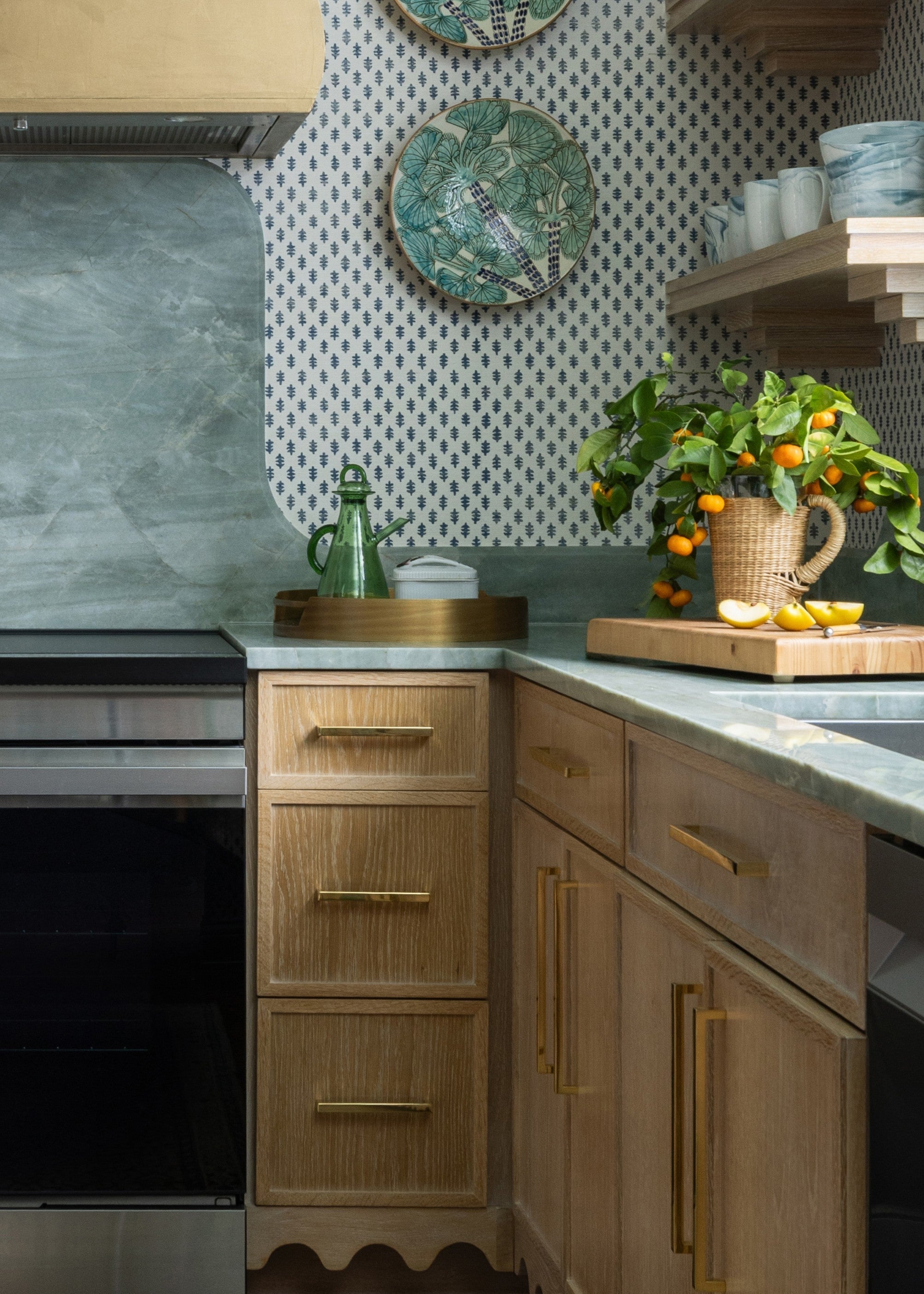
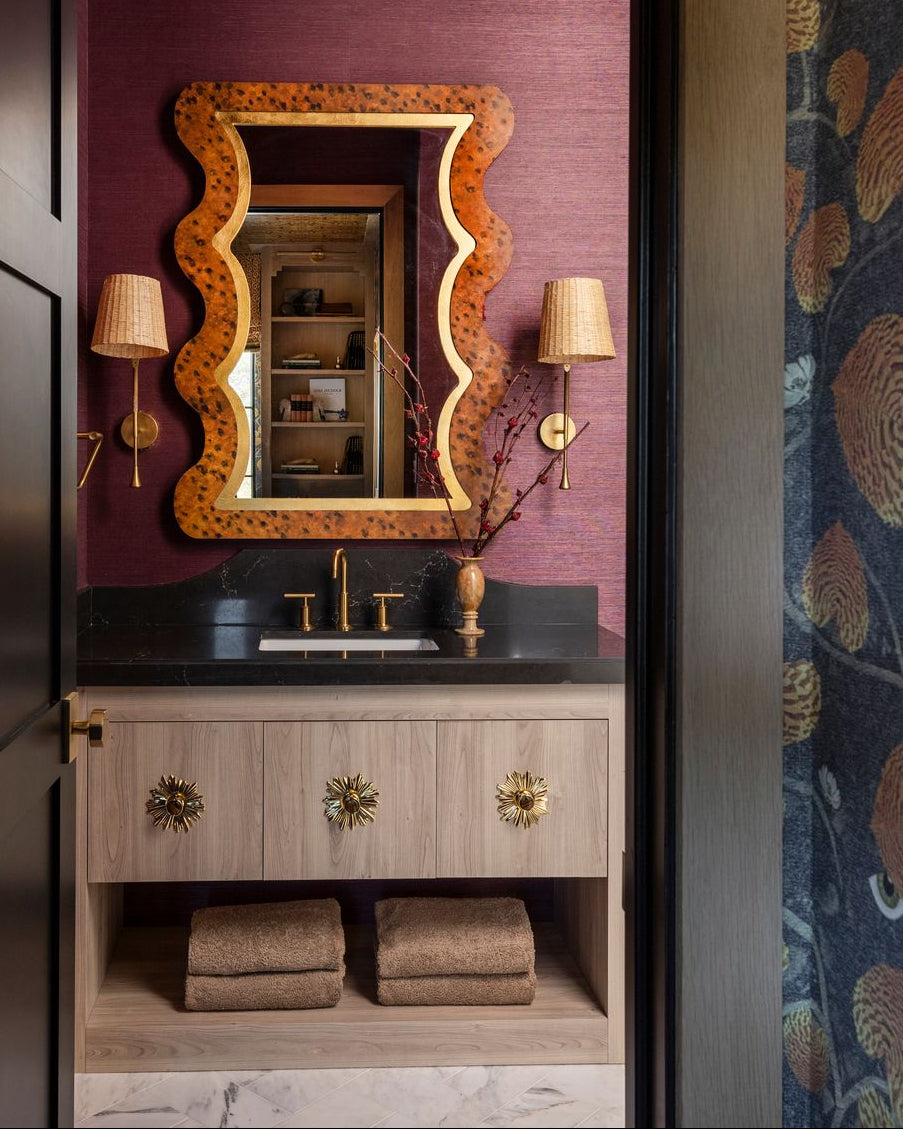
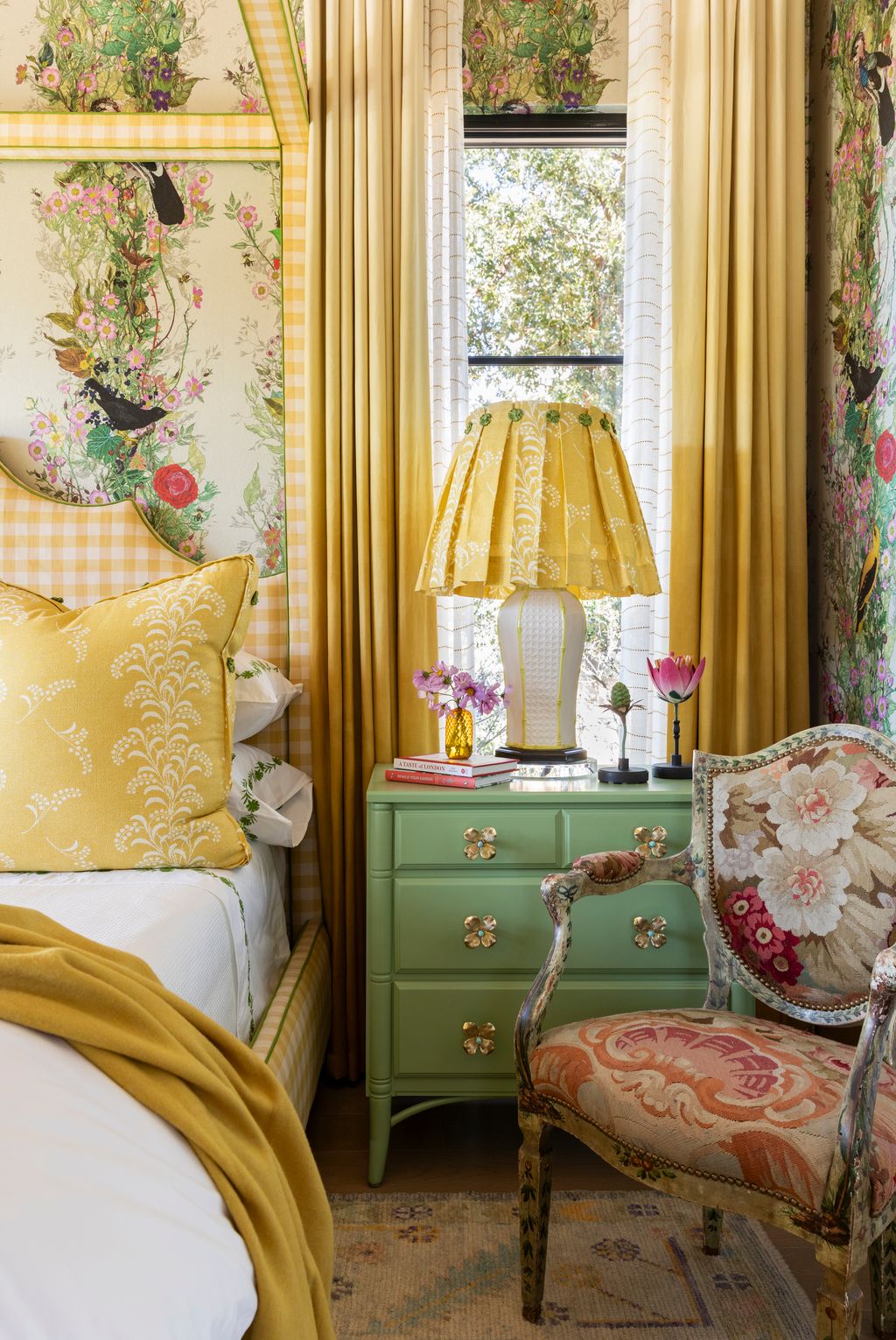
Finish selection is just as important as form. Take cues from nearby lighting, mirror frames, and accent pieces when choosing between brass, chrome, matte black, or mixed-metal options. Warm brass tones complement soft neutrals and layered textures, while polished chrome enhances cooler palettes and contemporary spaces.
You don’t always have to match finishes exactly. Mixing metals, like pairing warm brass pulls with black bedside lamps, can create a curated, designer look when done intentionally. The key is consistency in undertone and repetition throughout the room. You can explore Modern Matter’s dedicated Bedroom Hardware collection to find finishes designed to harmonize beautifully with bedroom settings.
Essential Tools and Materials for a Seamless Transition
A dresser update requires surprisingly little to get started. Basic tools like a screwdriver (flathead or Phillips, depending on your existing screws), a measuring tape or ruler, and a drill will handle most installations. If your new hardware requires different hole placement, keep wood filler, sandpaper, and touch-up paint on hand. Gathering everything before you begin ensures your project stays efficient, turning your hardware setup into a satisfying weekend win rather than an all-day task.
Replacing dresser knobs and pulls is simple when you take it step by step. Follow these steps to ensure your furniture makeover looks polished and professionally executed.
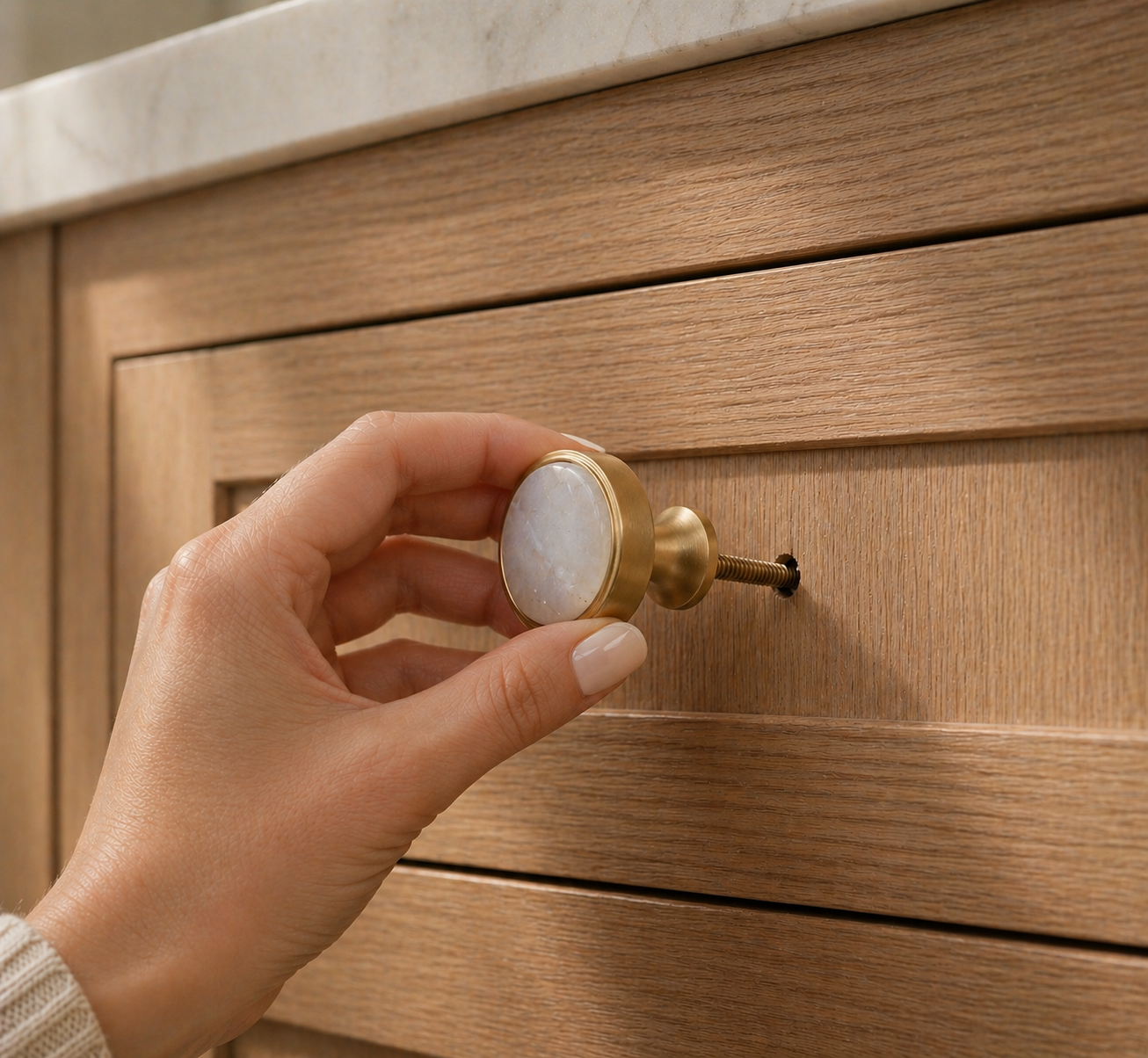
Removing Old Hardware Without Damaging the Finish
Start by carefully unscrewing your existing dresser drawer knobs or pulls from the inside of the drawer. Use steady pressure and the correct screwdriver to prevent slipping, which can scratch or dent the drawer face. As you remove each piece, support the hardware from the front to keep it from dropping and chipping the finish.
Once removed, clean the exposed area to eliminate dust buildup or residue that might have collected behind the old hardware. A gentle cleaner and soft cloth will create a pristine surface for installation. Keep the original screws nearby, as they can serve as a useful size reference when installing your new dresser drawer knobs.
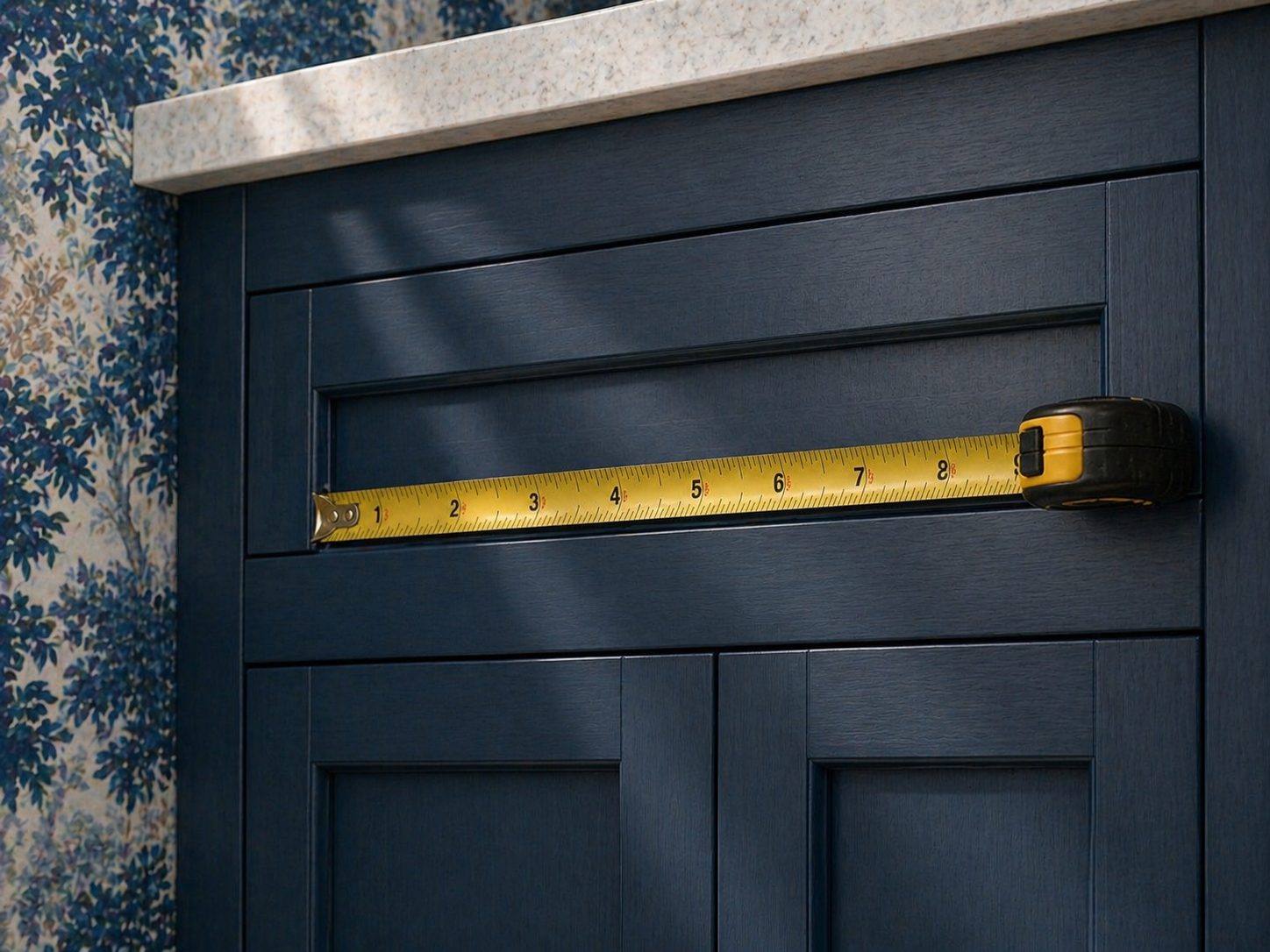
Measuring Center-to-Center for Precision Placement
If you’re replacing pulls rather than single knobs, accurate measurement is essential. Center-to-Center refers to the distance between the centers of the two screw holes on a drawer pull. Matching this measurement ensures your new hardware fits existing holes without additional drilling.
To measure, remove the old pull and use a ruler or measuring tape to determine the exact distance from the center of the hole to the center of the other. Hardware templates are handy for maintaining consistency across multiple drawers, especially wide dressers, where even slight misalignment becomes noticeable.
Precision affects both aesthetic and function. Misaligned pulls can strain screws over time, leading to loosening or uneven drawer usage. Taking the time to measure carefully ensures both the longevity and the professional appearance of your furniture makeover.
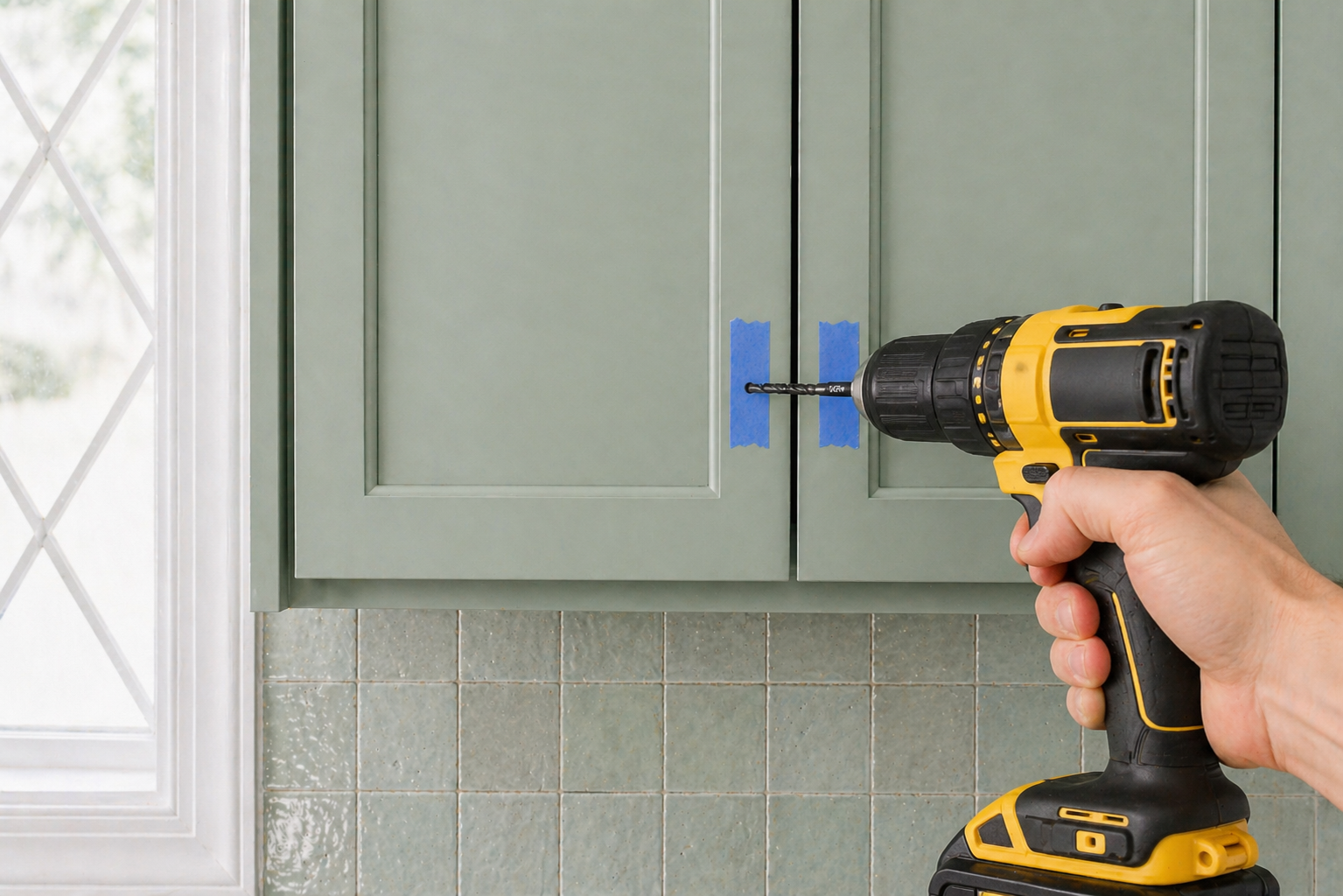
How to Fill and Drill New Holes for Different Hardware Sizes
If your new dresser drawer knobs or pulls require a different hole spacing, you’ll need to fill the old holes before creating new ones. Begin by applying wood filler into each existing hole, smoothing it flush with a putty knife. Let it dry completely according to the manufacturer's instructions.
Once dry, lightly sand the area until smooth and level with the drawer surface. If needed, apply touch-up paint or finish to blend the repair seamlessly into the drawer front. After marking your new hole placement using a template or measured guide, drill pilot holes with a bit that matches the diameter of your new screws.
Drilling pilot holes prevents wood splitting and ensures the screws seat properly. Work slowly and keep the drill level to maintain clean, accurate placement for your updated hardware.
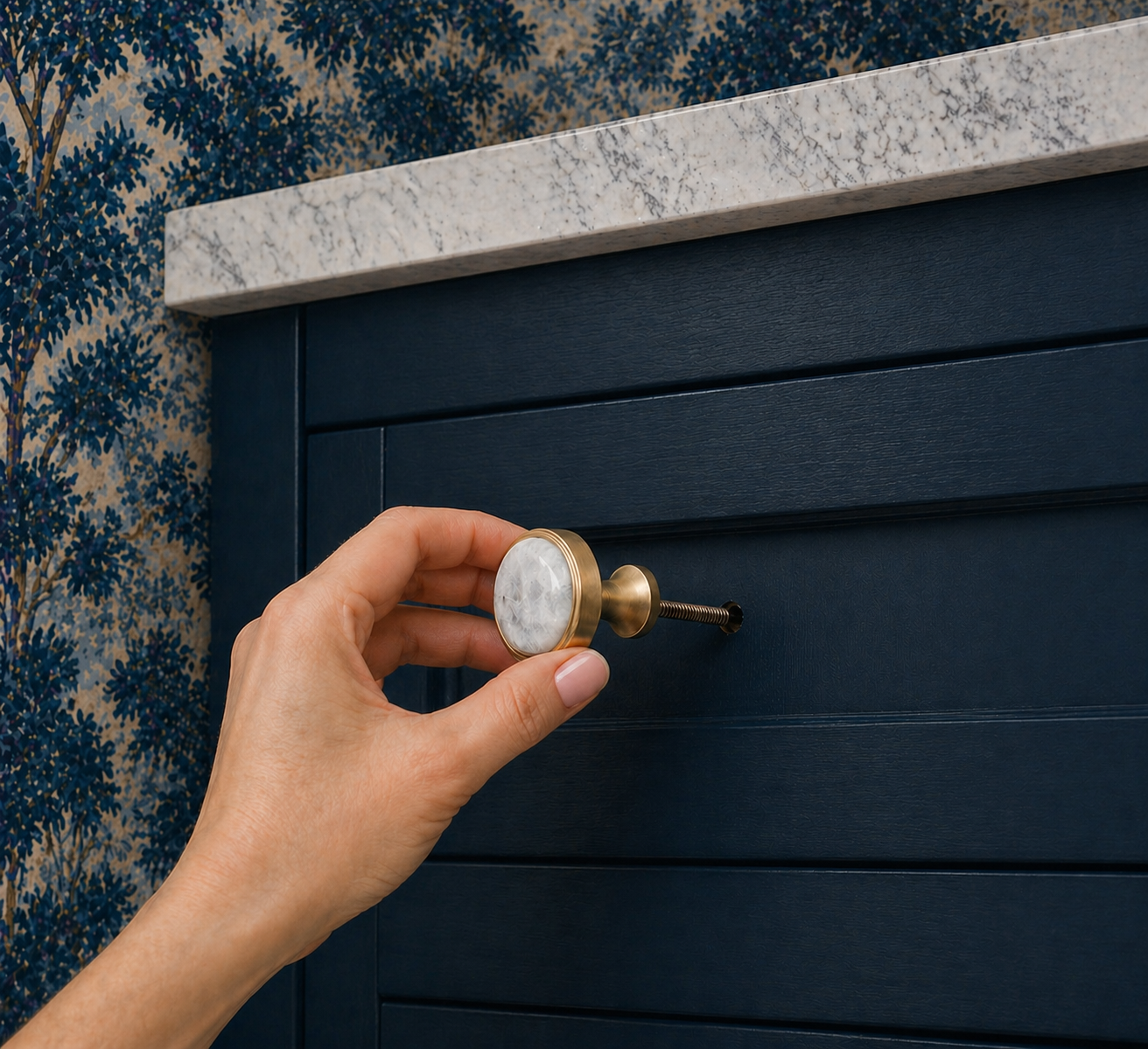
Installing Your New Modern Matter Pieces
When installing your new hardware, insert screws from the inside of the drawer and hand-tighten them first to ensure proper alignment. Once everything is positioned correctly, gently secure with a screwdriver. Avoid over-tightening, which can strip the screws or damage the finish.
Be mindful of screw length. Drawers vary in thickness, and using screws that are too long can cause them to protrude through the front, while screws that are too short might not hold securely. After installation, use a small level or visual alignment check to confirm each pull sits perfectly horizontal.
Once installed, the new hardware gives the dresser a more tailored, finished appearance.
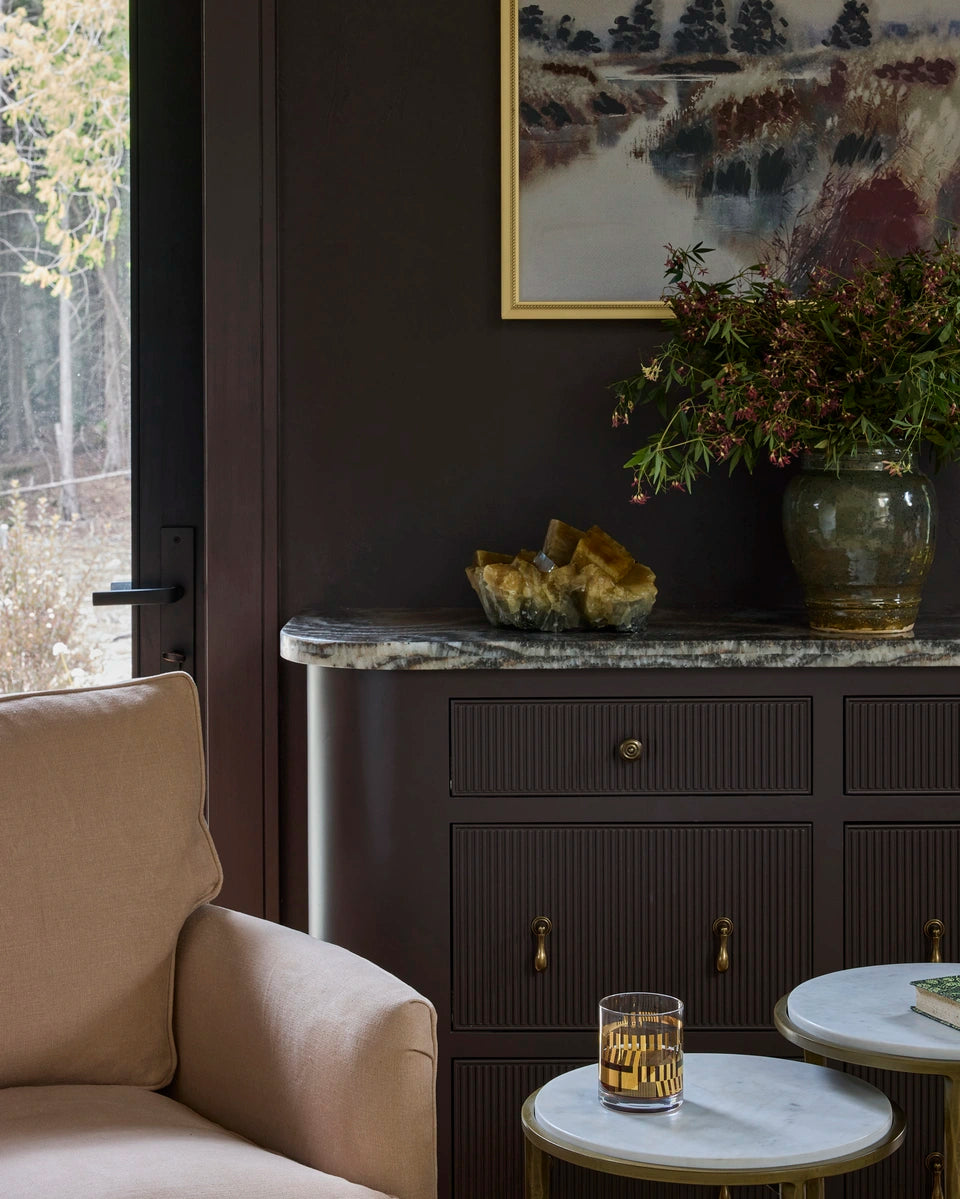
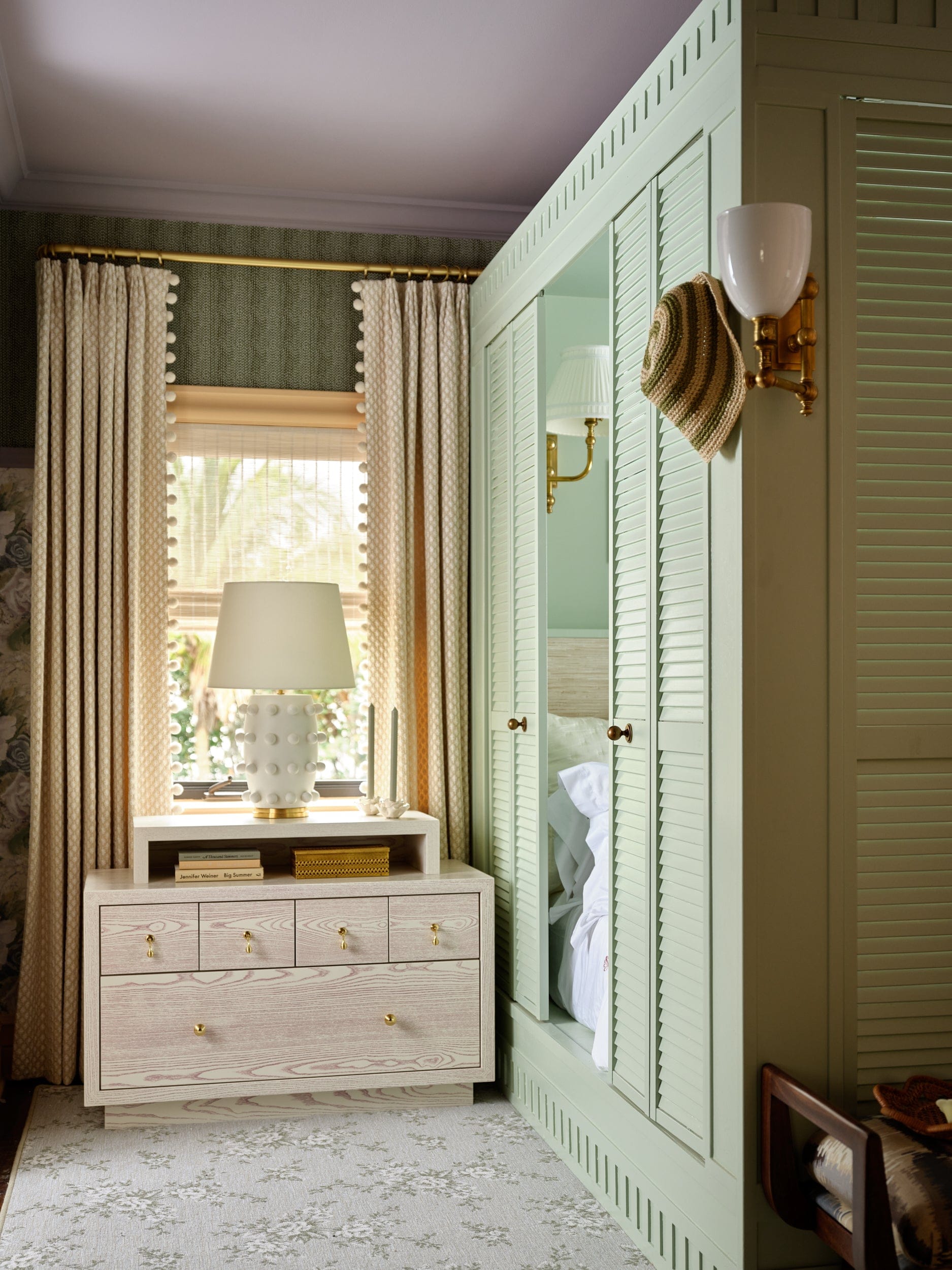
Mixing knobs and pulls adds dimension and designer-level detail to a larger dresser. A classic rule of thumb is “knob on top, pull on bottom,” so use smaller knobs for upper drawers and longer pulls for wider lower drawers to create visual hierarchy and ergonomic ease. Keep finishes consistent to unify the look, even if you vary shapes or silhouettes. For added personality, consider a statement knob on smaller accessory drawers while keeping the remaining hardware streamlined for balance.
Maintaining Your Luxury Hardware for Long-Lasting Brilliance
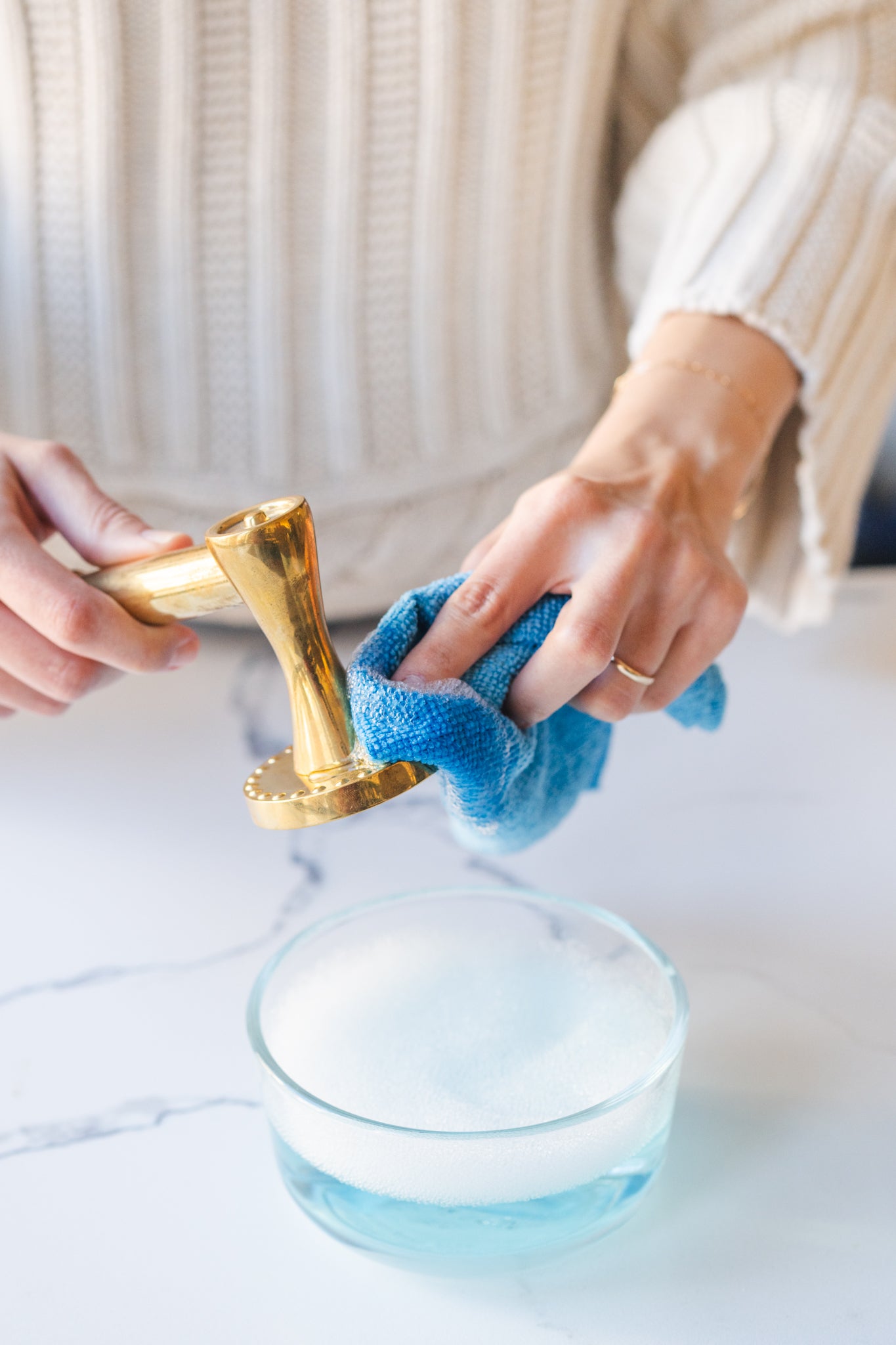
To preserve the beauty of your hardware, clean regularly with a soft, dry cloth to remove dust and fingerprints. For deeper cleaning, use mild soap and water. Make sure to avoid harsh chemicals or abrasive cleaners, which can damage protective finishes and cause tarnishing. Periodically check and gently tighten screws as well to prevent loosening over time. With simple care, your hardware will retain its luster and continue elevating your space for years to come.
Transforming Your Space One Detail at a Time
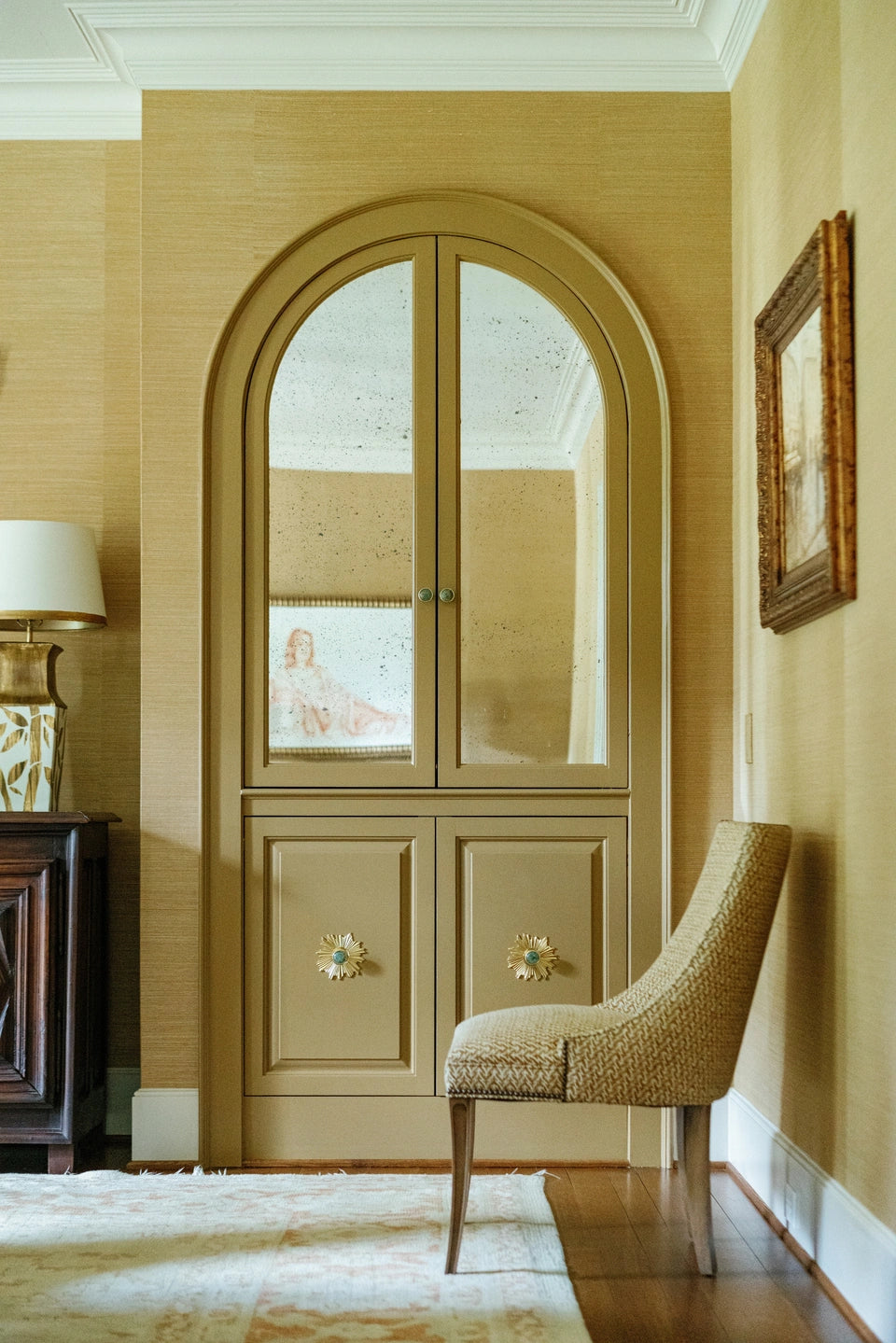
A purposefully executed furniture makeover proves that even the most minor details can redefine a room. By updating your dresser with beautifully crafted hardware, you create an instant sense of refinement without the cost or hassle of replacing furniture. With thoughtful planning and well-crafted pieces, your space comes together beautifully, one detail at a time.
See how the right hardware can redefine your space in just an afternoon. Explore Modern Matter’s curated collection of luxury knobs and pulls to find the perfect finishing touch for your next furniture makeover. Shop now and bring designer-level detail to every drawer.