
Modern Matter Blog
Brass Kitchen Hardware: Finishes, Styles & Everything You Need to Know
Brass kitchen hardware remains a defining detail in luxury kitchens, bringing a richness that cooler metals can’t replicate. At Modern Matter, brass continues to be a favorite for projects that call for warmth, weight, and distinction. Explore the full Kitchen Hardware Collection to see how brass elevates every detail.
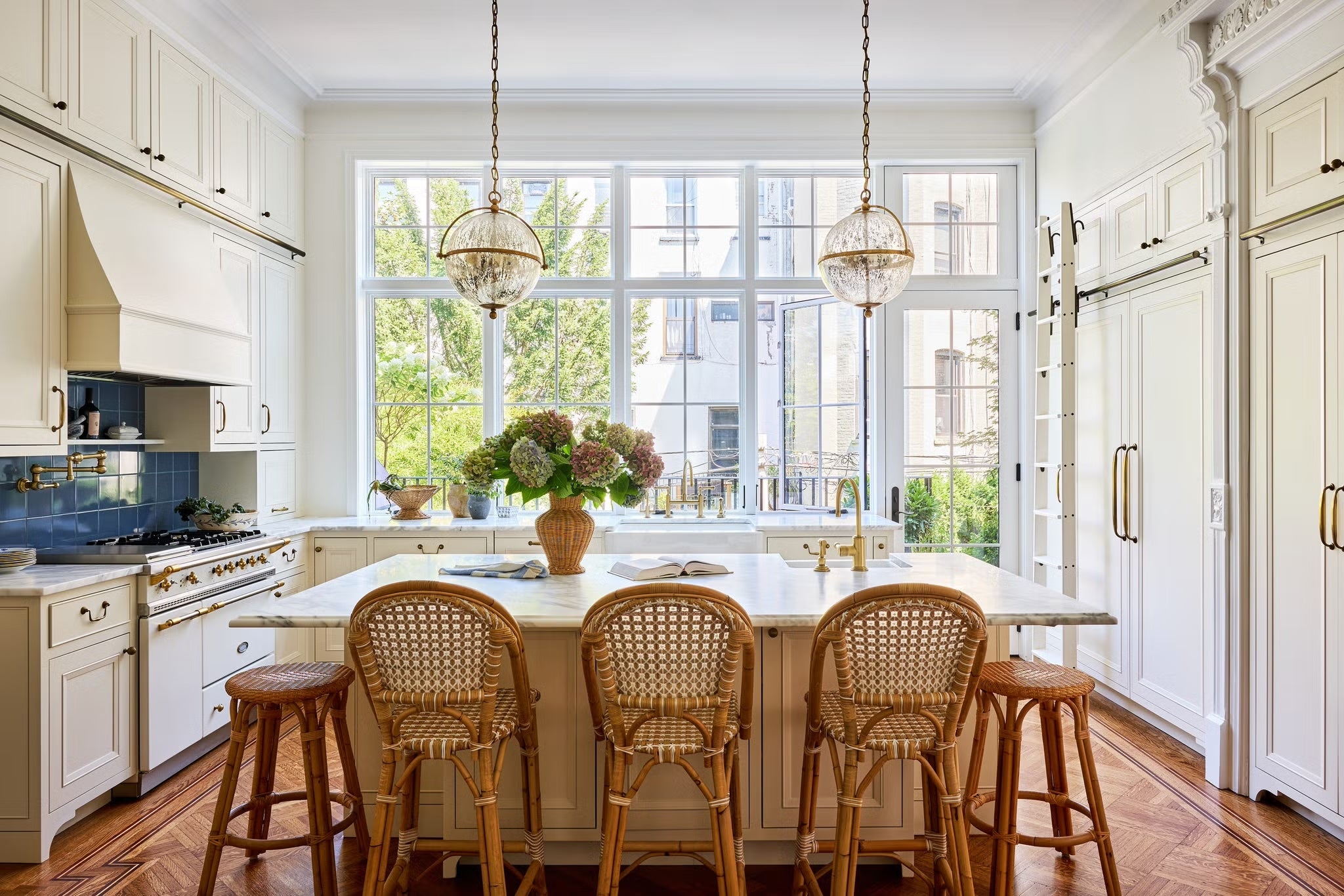
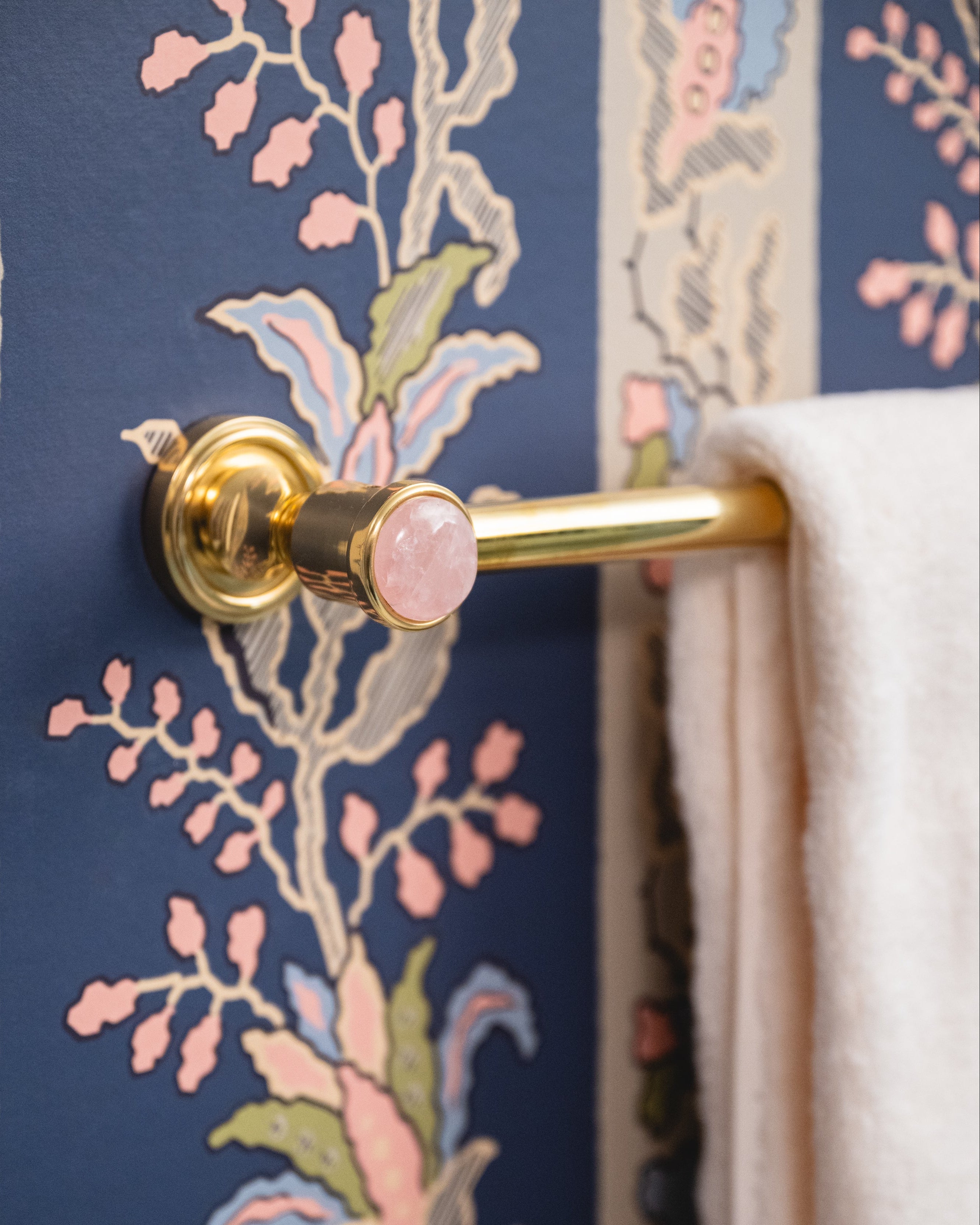
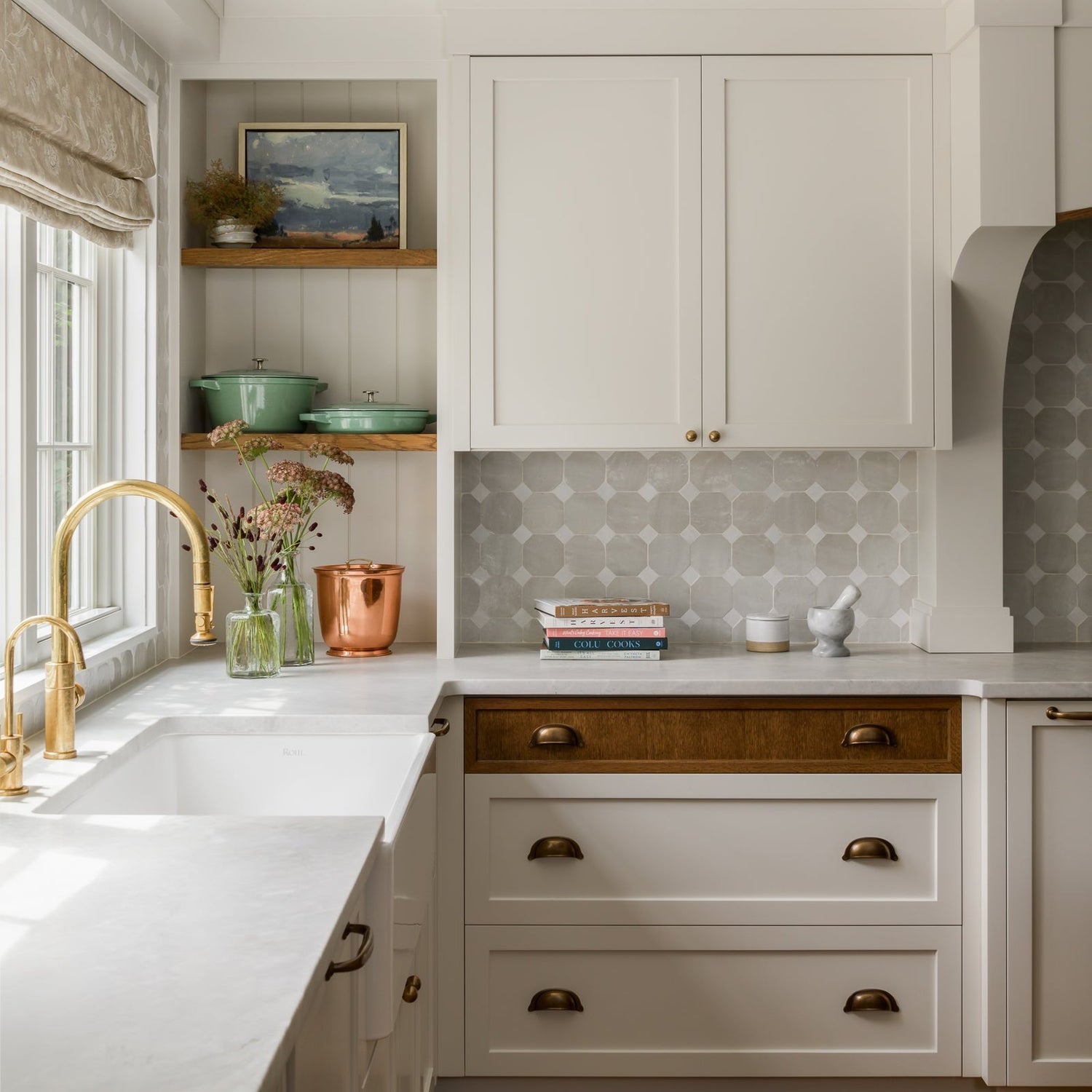
Design by Jennifer Hunter. Photography by Kirsten Francis
Brass kitchen hardware stands out without overpowering the space. From traditional homes to modern remodels, brass offers flexibility, durability, and a refined look that works across design styles.
The Timeless Appeal of Brass
Brass cabinet hardware is never tied to one era. Designers have used it for decades because it adapts. In a traditional kitchen, brass is classic and refined. However, in a modern space, it adds contrast against clean lines. Unlike cooler metals, brass introduces a soft golden undertone that prevents kitchens from reading sterile.
Solid brass hardware adds substance to cabinetry. Hardware is often described as the finishing detail that completes a kitchen, and brass delivers that elevated finish. Modern Matter brass pieces create a refined, custom look that turns standard cabinets into statement features.
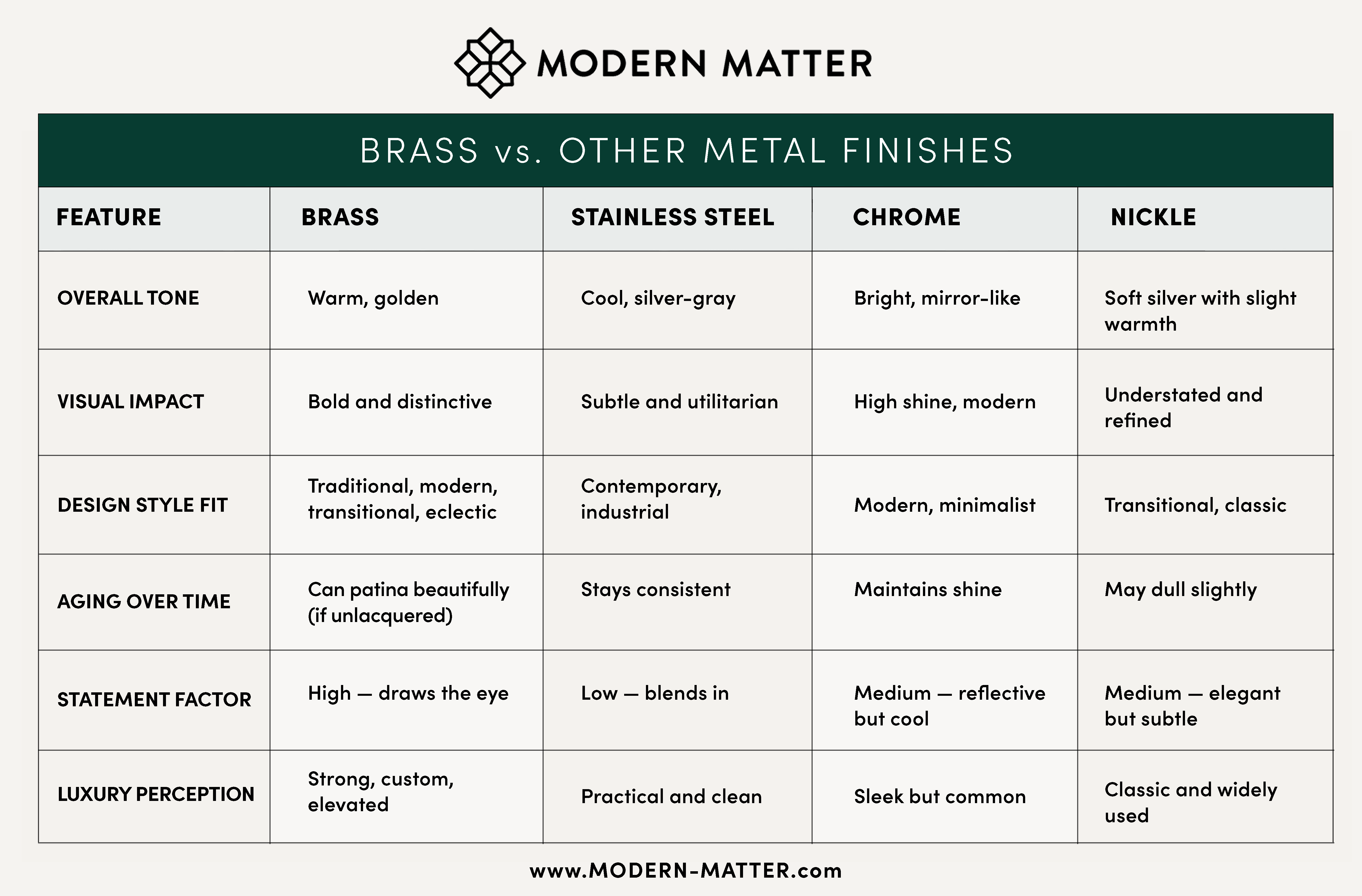
Brass vs. Other Metal Finishes
Brass delivers a distinct visual impact that stainless steel, chrome, and nickel rarely match. It creates a focal point against painted cabinetry, natural wood, and stone countertops.
High-end brass hardware also carries more visual weight. It reads as deliberate and crafted, especially when made from solid brass.
Designers are leaning toward oversized pulls, textured surfaces, and authentic materials. Homeowners want finishes that age naturally and show character over time. Brass aligns naturally with this shift toward authenticity. From bold, sculptural shapes to subtle brushed finishes, brass kitchen hardware remains a staple in luxury kitchens and continues to evolve alongside contemporary design.
Brass doesn’t always look the same. The finish you choose changes the tone, shine, and overall presence of your hardware. From bright and polished to raw and evolving, each option creates a different mood in your kitchen.
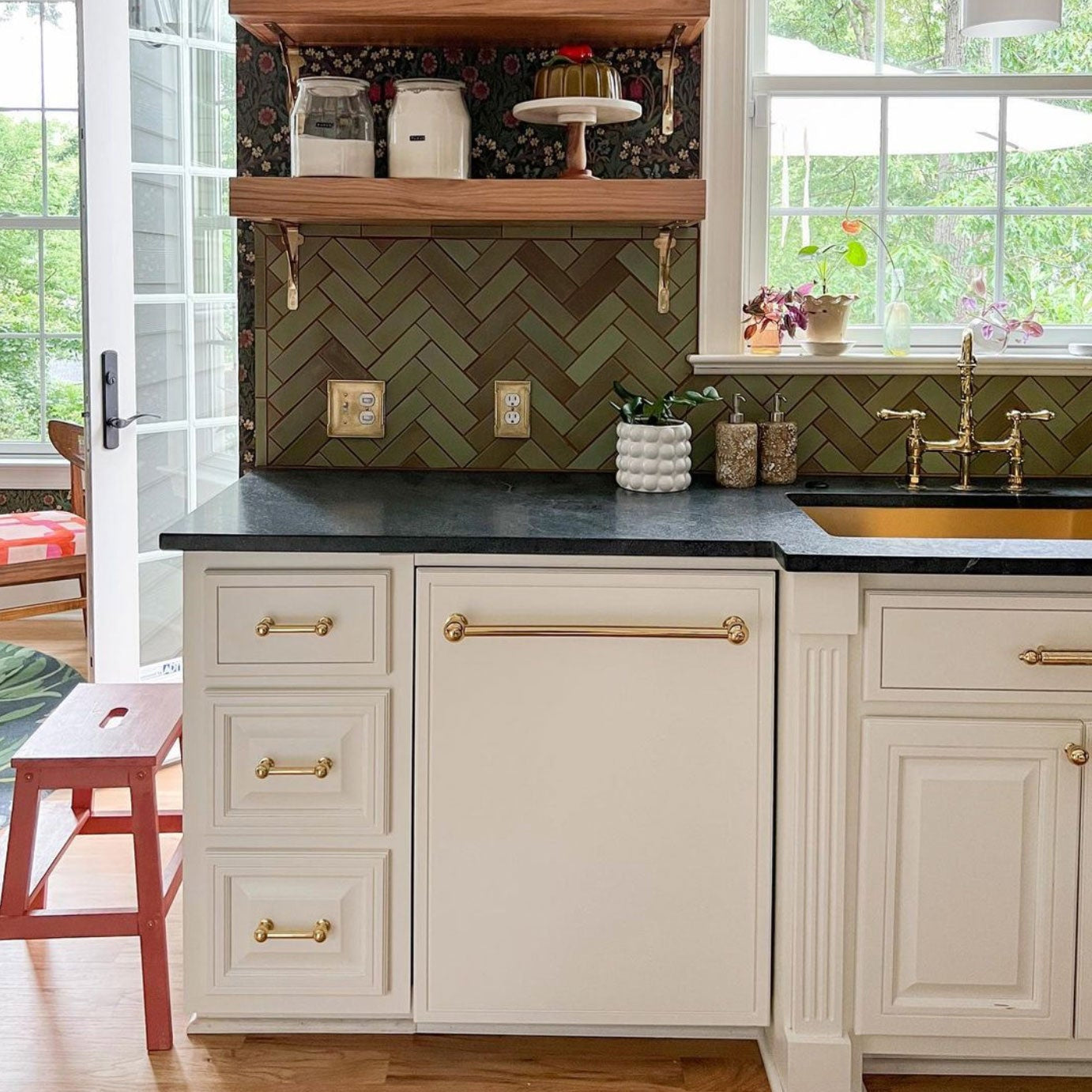
Polished Brass Hardware
Polished brass hardware delivers a bright, reflective surface with a classic golden glow. It pairs well with formal kitchens, traditional cabinetry, and detailed millwork. This finish draws attention and introduces contrast against painted cabinets. Most polished brass includes a protective lacquer that preserves the shine and reduces upkeep.
If you want a timeless statement, browse the Shop Designer Cabinet Knobs collection to see polished brass options in refined silhouettes.
Burnished Brass Hardware
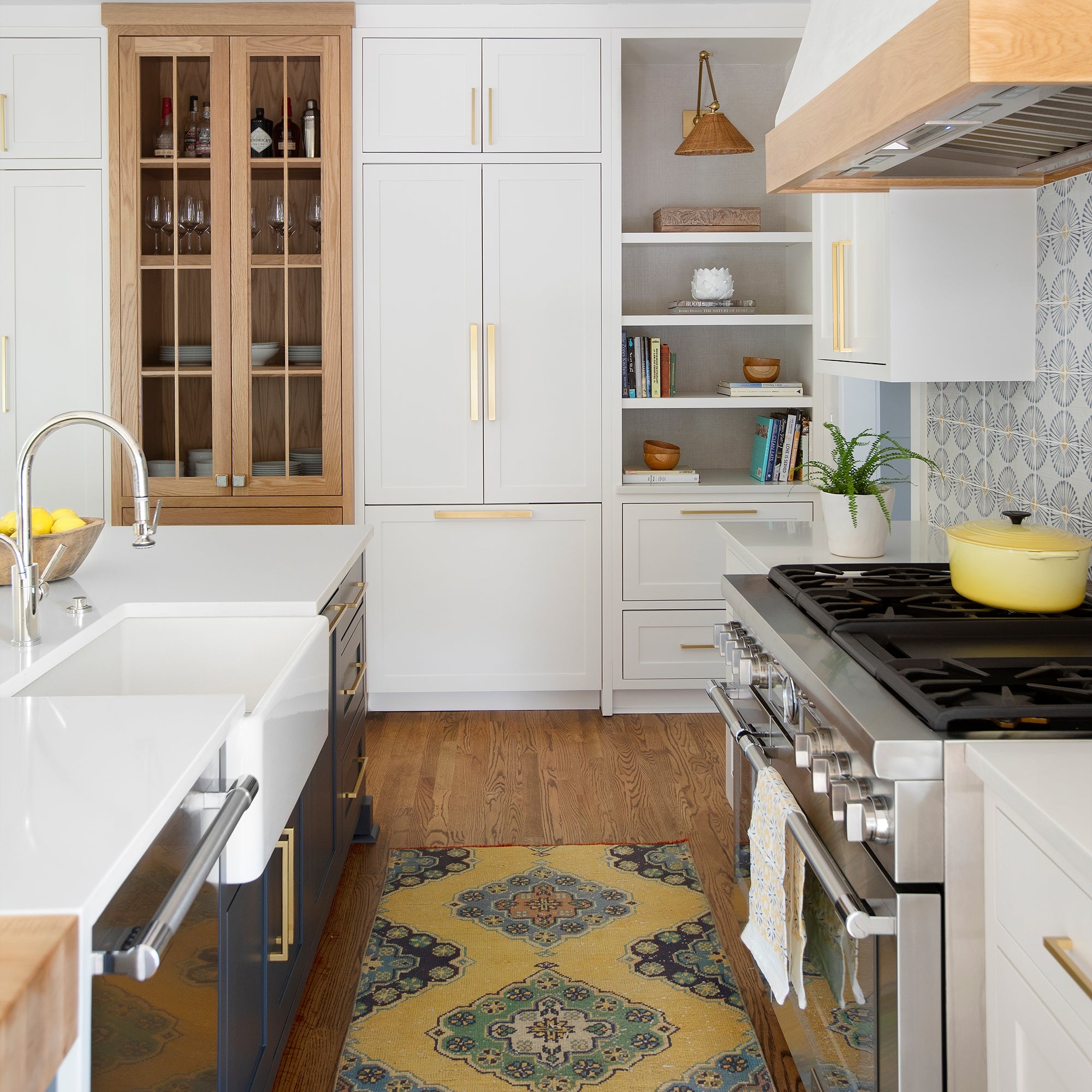
Burnished brass hardware offers a softer, muted appearance with a slightly aged tone, as it’s warm and relaxed rather than glossy. This finish works well in transitional kitchens that blend traditional and modern elements. Burnished brass hides fingerprints better than polished finishes, and you can maintain it with simple dusting and occasional wiping. It creates depth without overpowering surrounding materials.
Unlacquered Brass Hardware (Living Finish)
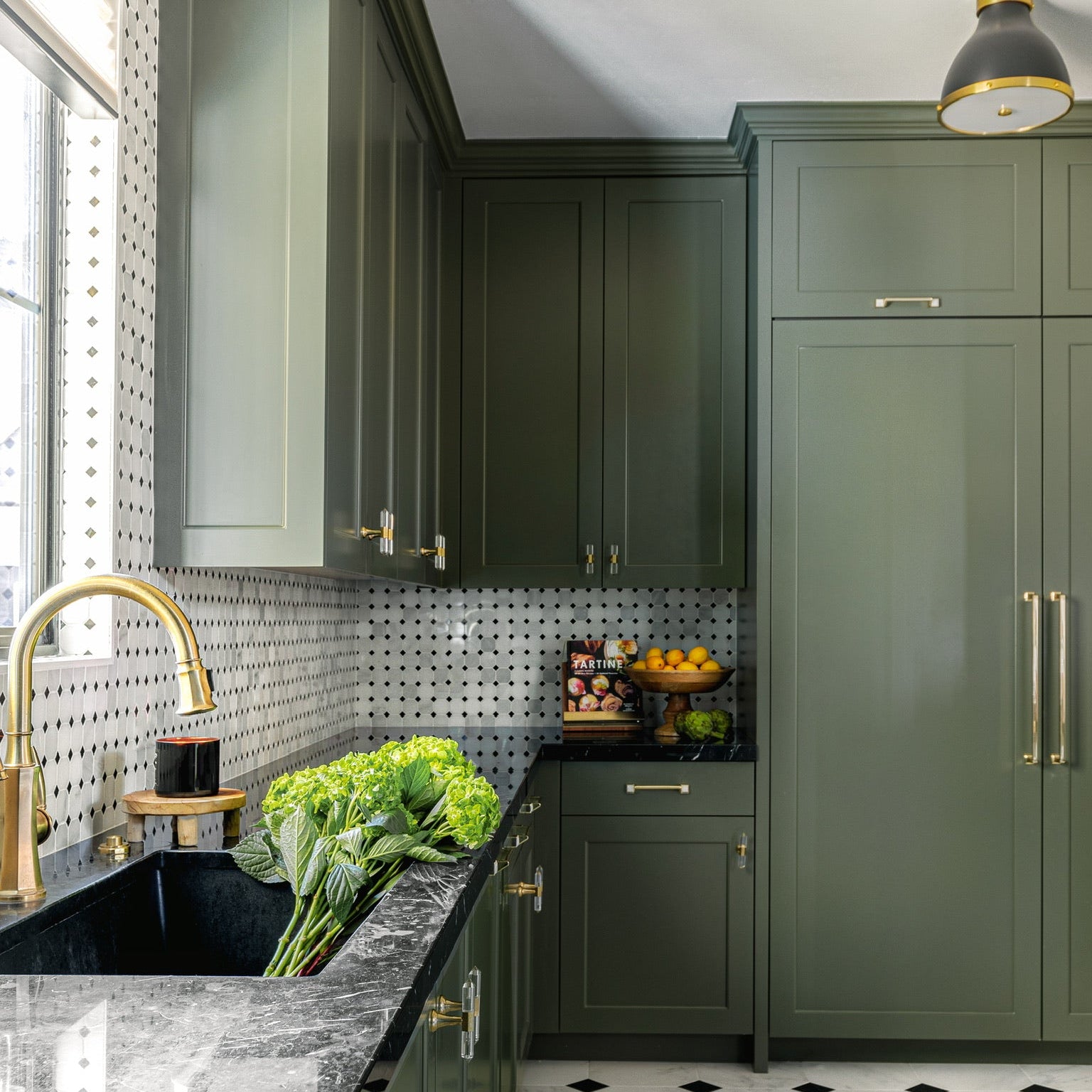
Unlacquered brass hardware features raw brass with no protective coating. Over time, it develops a natural patina that deepens in color and character. Many homeowners choose unlacquered brass hardware for historic renovations, custom builds, or kitchens that embrace authentic materials. Plus, the surface reacts to touch, air, and moisture, creating subtle variations that make each piece unique.
If you prefer a bright, freshly polished look, you can polish it regularly. Left to age naturally, the evolving surface becomes part of the kitchen’s character.
Explore the Ajiri Aki x Modern Matter (Unlacquered Collection) to see how this living finish brings individuality to brass kitchen hardware.
Satin Brass Matte Finish
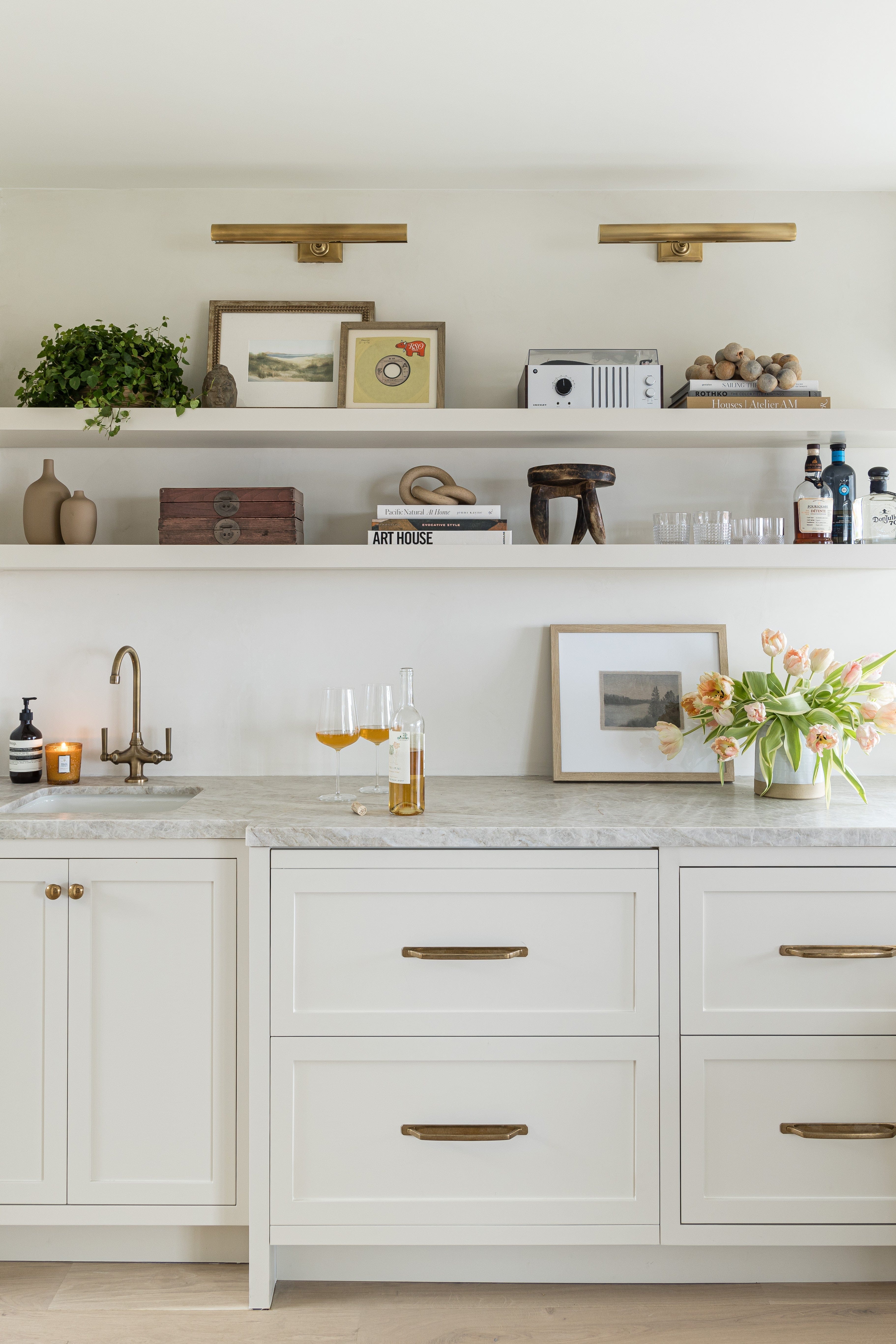
Satin brass features a brushed, matte surface with a soft glow rather than high shine. It offers warmth without shine, making it ideal for contemporary kitchens. This finish works exceptionally well in minimalist kitchens, flat-panel cabinetry, and contemporary spaces. Satin brass also resists water spots and fingerprints, so it’s a practical choice for busy kitchens.
Speciality Brass Finishes
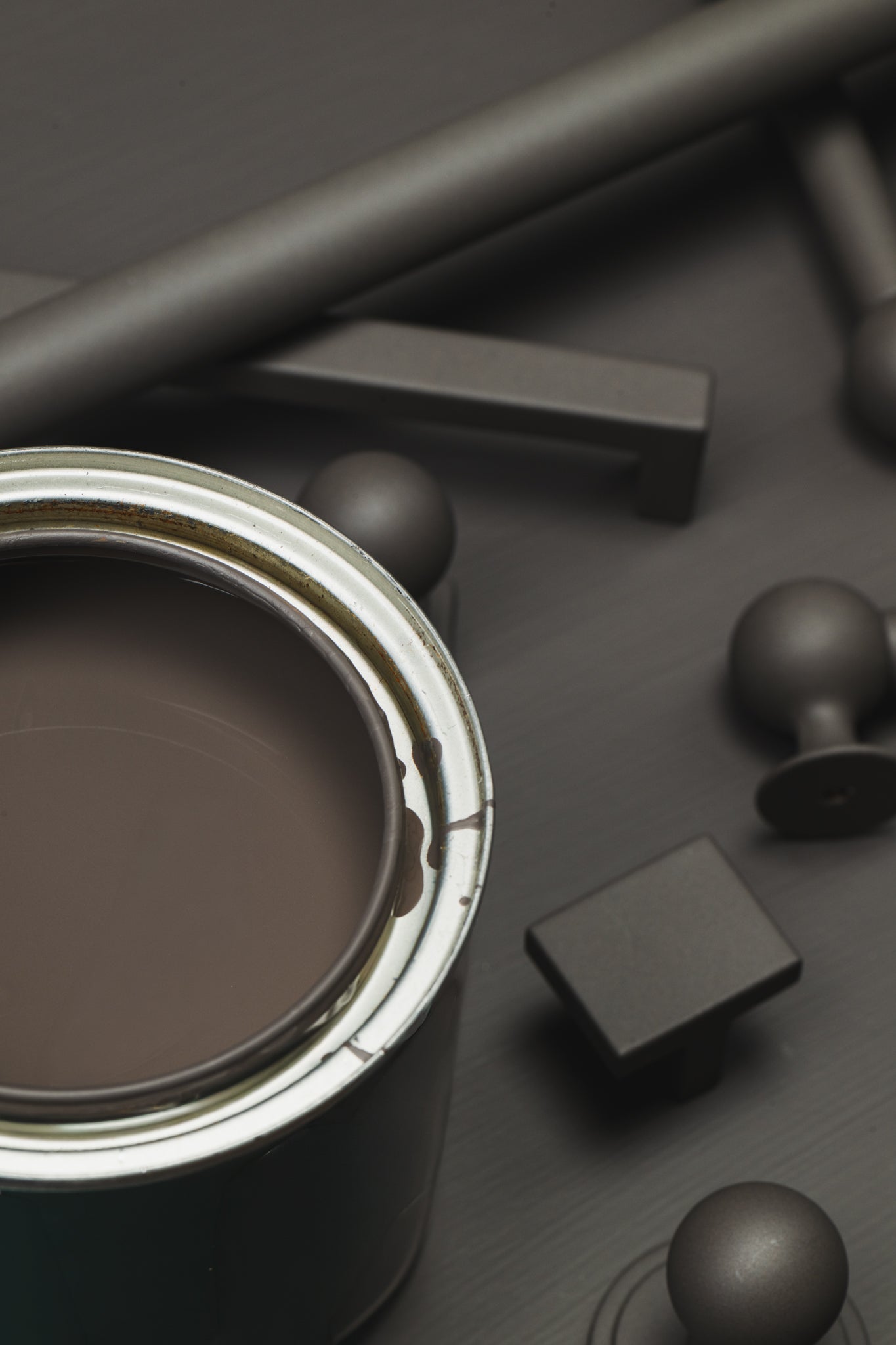
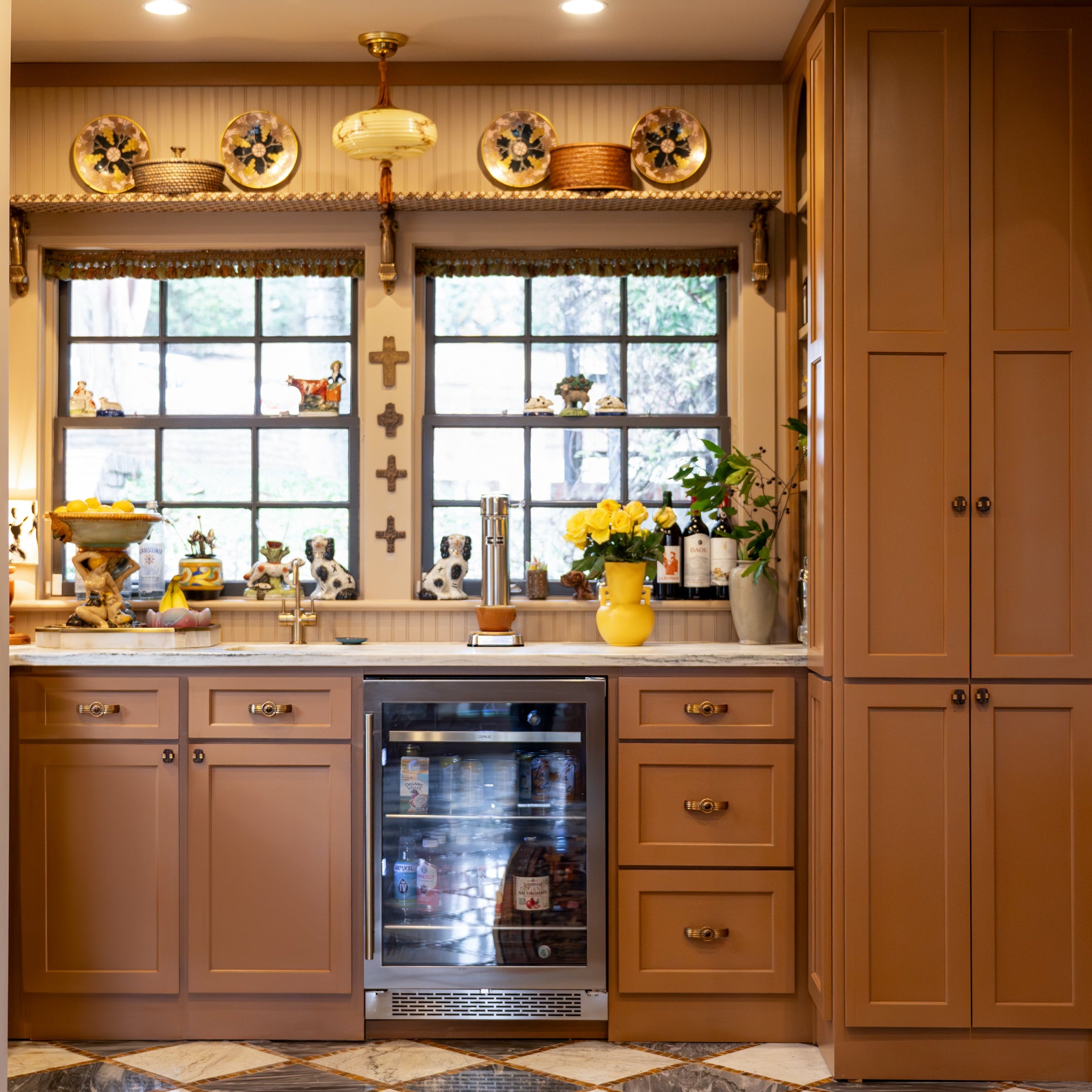
Specialty brass finishes offer distinct character. Antique brass includes a darker, aged appearance that suits traditional or vintage-inspired kitchens. Verdigris introduces a green-blue patina for a bold, artistic look. Oil rubbed bronze, while darker than traditional brass, shares the same richness and works well in kitchens that lean warm and dramatic. Each finish shifts the mood, while preserving the richness that defines brass.
Brass makes the strongest impact when used consistently. Consistency in finish, scale, and placement makes the space cohesive. A few simple guidelines can bring balance to your cabinetry and surrounding fixtures.
Creating a Cohesive Look
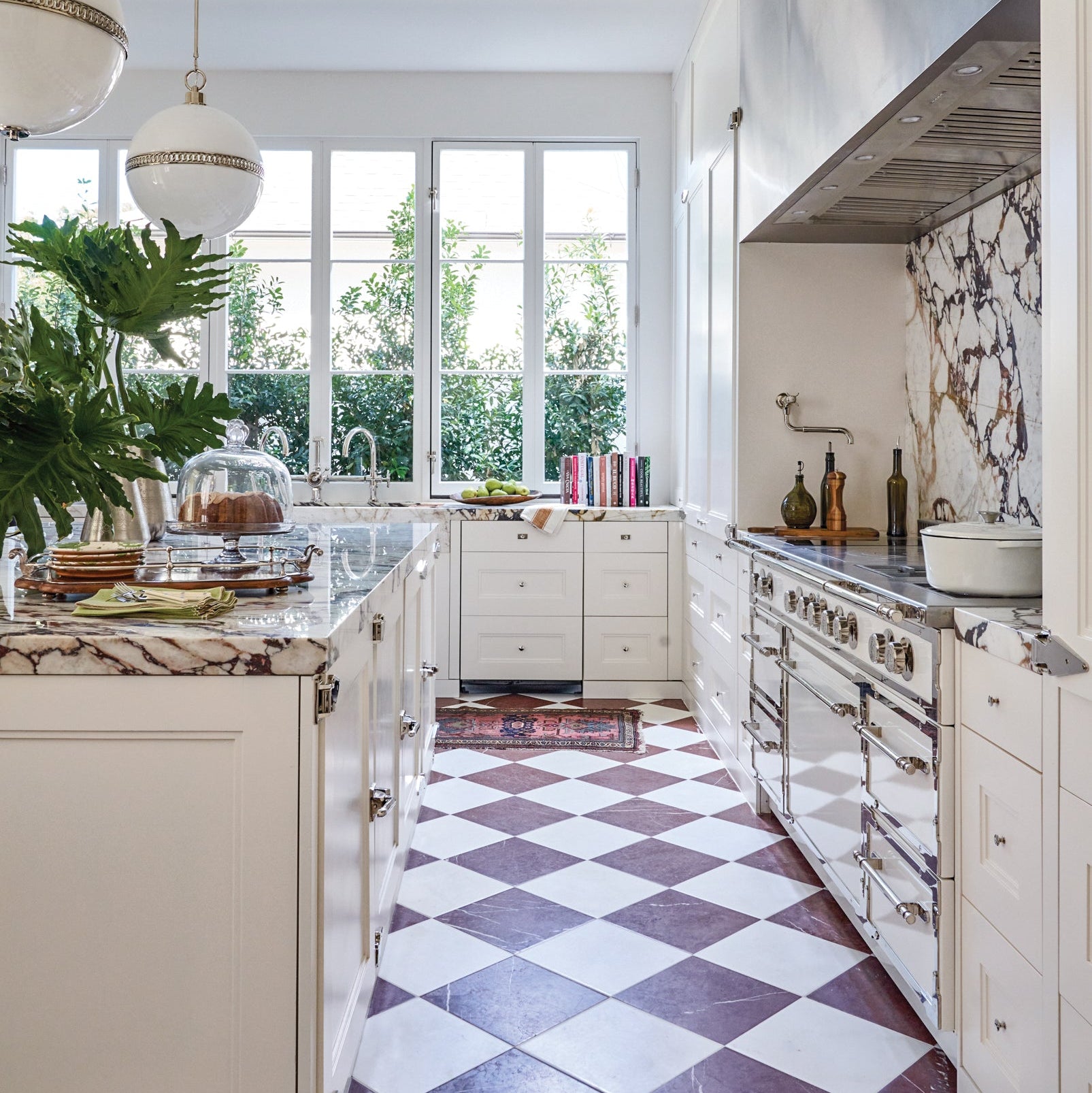
Start with proportion. Many designers follow the one third rule when selecting pulls. Choose hardware that measures about one-third the width of the drawer for a balanced look. For upper cabinets, knobs create a classic feel, while pulls add a modern touch. You can mix knobs and pulls, but keep the finish consistent to unify the space. Selecting one brass finish across all cabinetry prevents visual clutter and keeps the design focused.
Mixing Brass with Other Metals
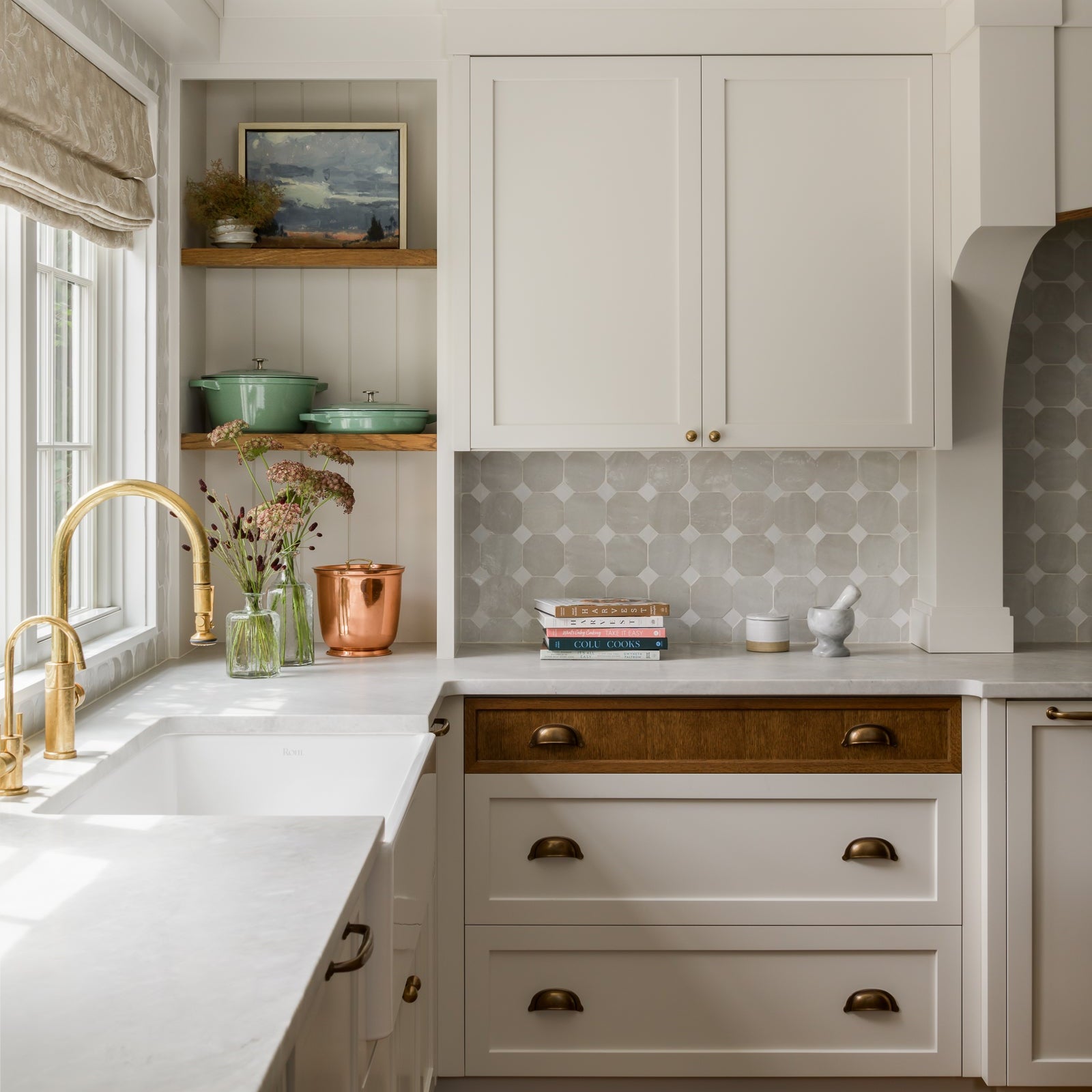
Brass pairs well with stainless steel appliances, matte black fixtures, and even polished chrome accents. Establish one dominant metal, then layer the second as an accent. If brass is your main finish on cabinets, let it carry the visual weight. Keep appliances and plumbing fixtures in a secondary tone that complements rather than competes.
You can repeat brass in lighting or bar stools to create continuity, and limiting the palette to two metals keeps the kitchen balanced and intentional while still adding dimension.
Cabinet color plays a significant role in how brass appears in your kitchen, as the proper pairing can add personality and style. If you want more inspiration, explore the Best Brass Hardware & Cabinet Color Pairings guide for additional ideas.
Brass with White Cabinets
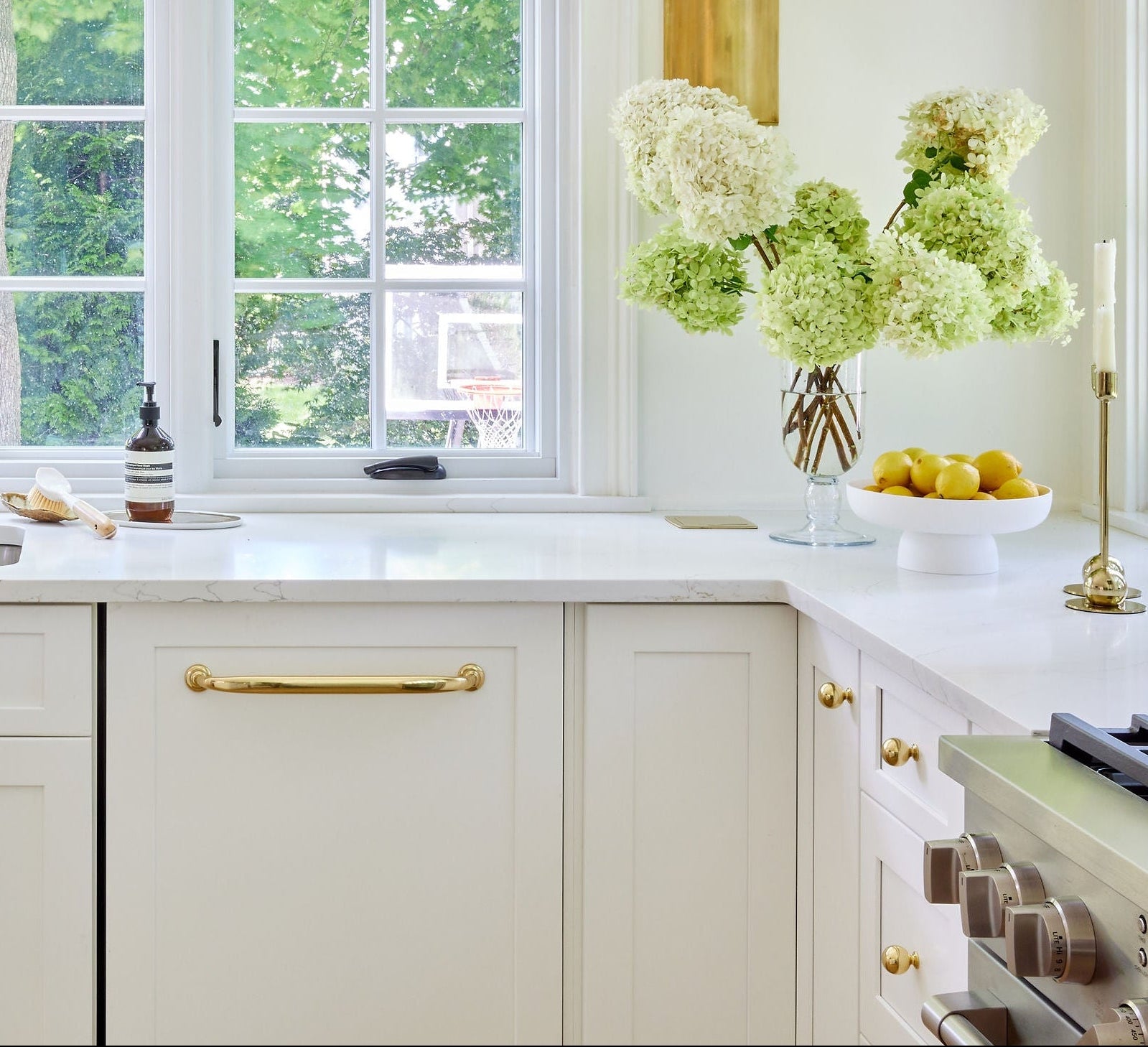
Brass and white cabinets create a clean, high contrast look that never dates. Brass softens bright white and prevents the space from feeling stark. Polished brass adds shine and formality, while satin brass delivers a softer, modern touch. This pairing works in both classic and contemporary kitchens.
Brass with Dark Cabinets (Navy, Black, Charcoal)
Brass pops against dark cabinets like navy, black, or charcoal. The contrast is dramatic and refined. Burnished brass adds richness without too much shine, while unlacquered brass deepens over time and enhances the mood. Navy and brass remain a popular combination in high-end kitchens because they create depth without feeling heavy.
Brass with Gray Cabinets
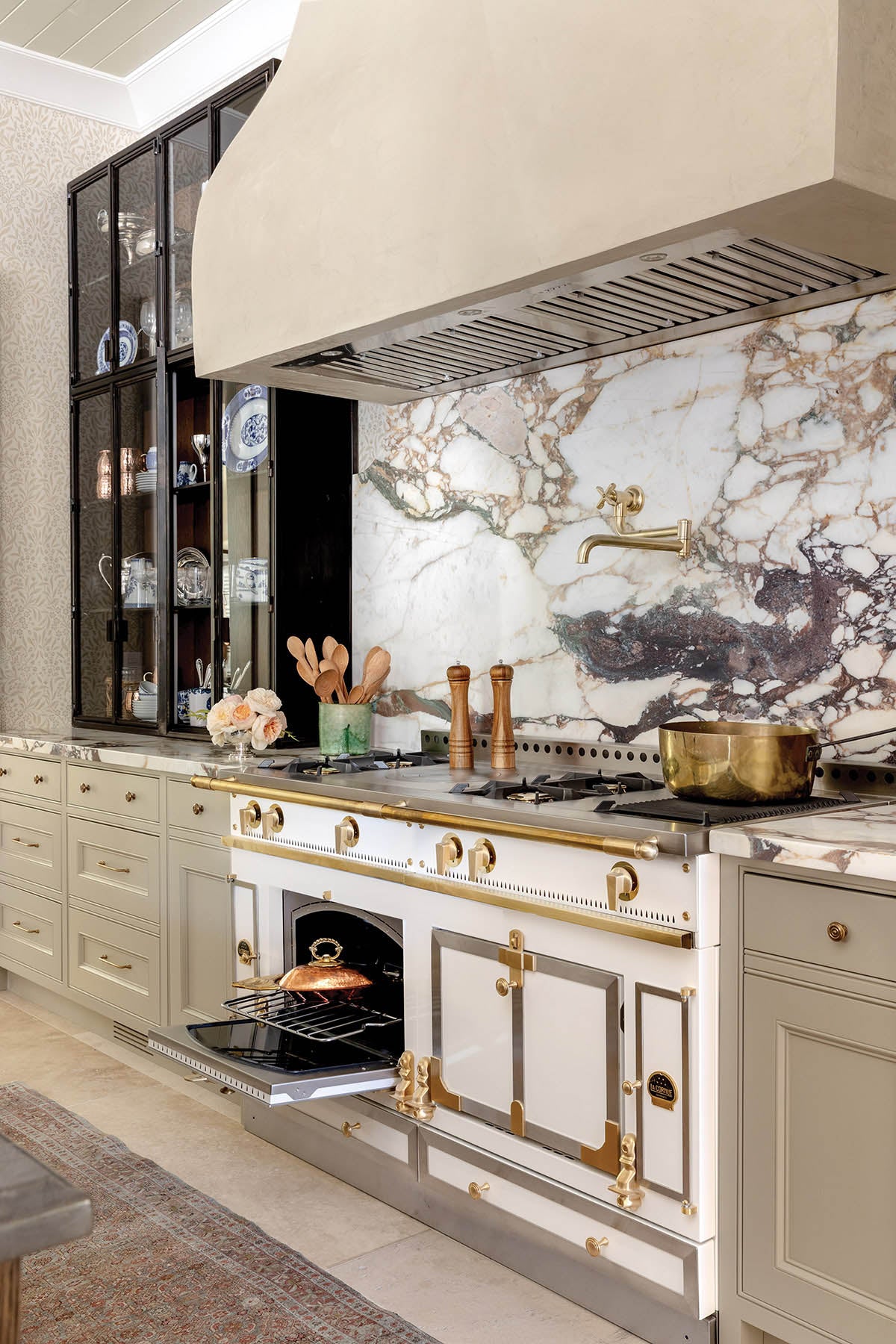
Gray cabinets often lean cool, so brass balances the palette. Instead of defaulting to silver hardware, brass offers visual interest. It pairs particularly well with greige tones that blend gray and beige. This combination is current while still grounded.
Brass with Colorful Cabinets
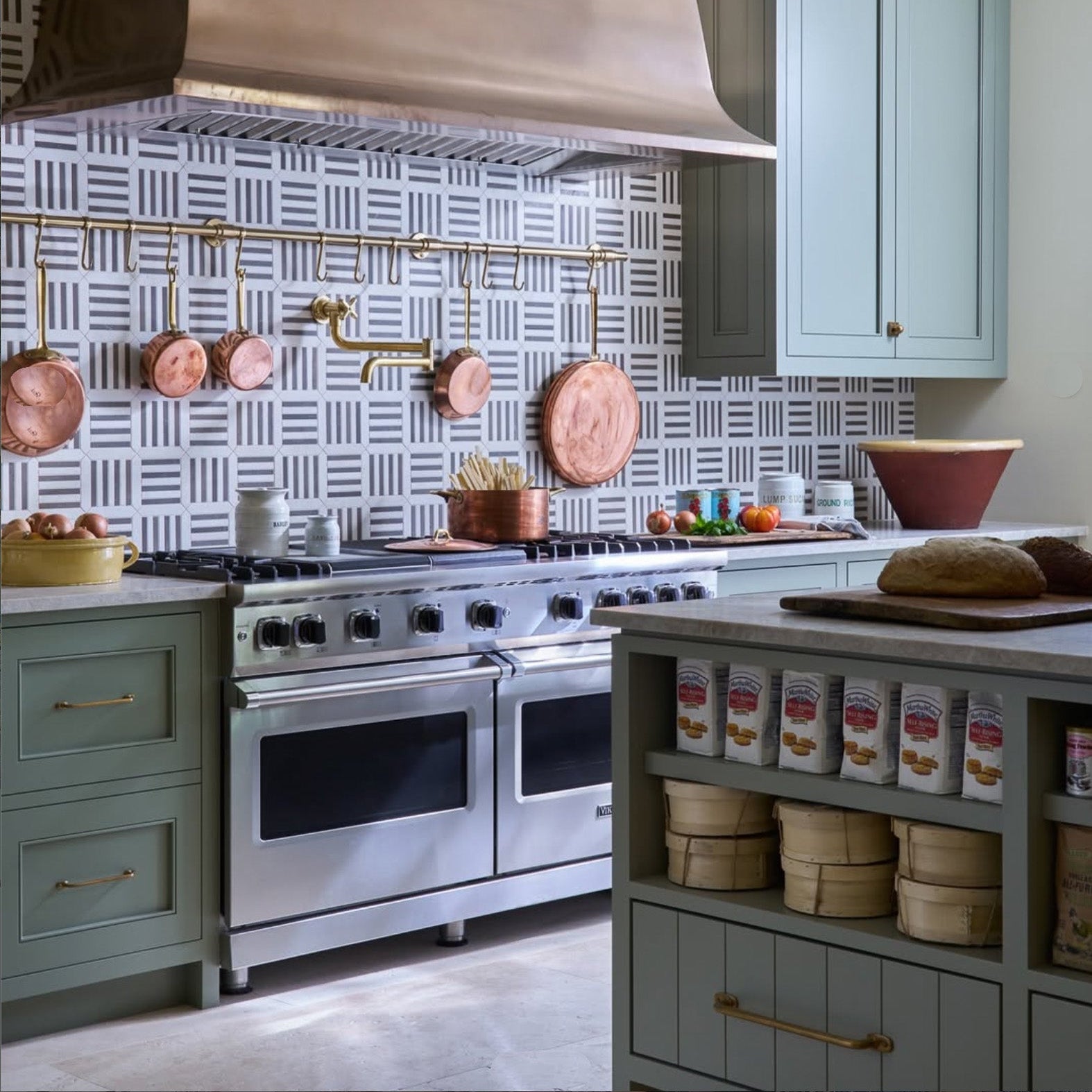
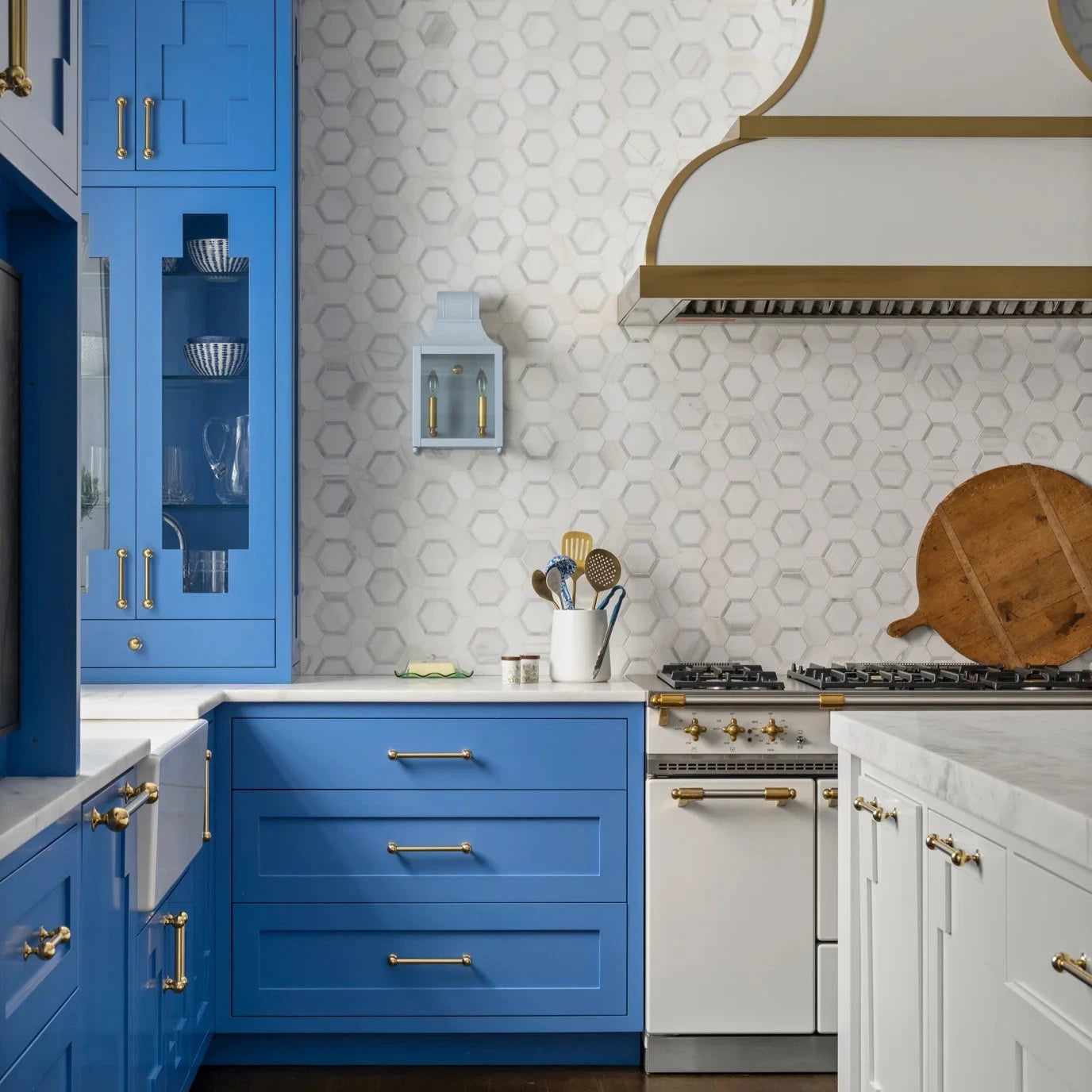
Brass acts almost like a neutral when paired with bold cabinet colors. It complements deep greens, teal blues, and even burgundy. In more expressive kitchens, brass grounds vibrant cabinetry while still adding shine. This pairing suits homeowners who desire personality without sacrificing elegance.
Is brass kitchen hardware too trendy?
No. Brass kitchen hardware has been used for decades in both traditional and modern homes. While it continues to trend in 2026, its warmth and versatility make it a long-term design choice rather than a fad. The key is selecting the right finish for your space.What are the disadvantages of brass?
Brass can show fingerprints, especially in polished finishes. Unlacquered brass will also patina over time, which some homeowners may not prefer. However, many see this natural aging as part of its charm. Choosing the right finish helps reduce maintenance concerns.What is trending in cabinet hardware 2026?
In 2026, oversized pulls, textured surfaces, and authentic materials are leading the way. Designers are favoring solid brass, living finishes, and sculptural shapes that add personality. Hardware is no longer just practical. It often becomes a focal point.What color hardware never goes out of style?
Classic finishes like brass, polished nickel, and matte black remain timeless. Brass stands out because it adds warmth while still feeling refined. Its ability to adapt to different cabinet colors makes it relevant year after year.What is the one-third rule for cabinet hardware?
The one-third rule suggests choosing drawer pulls that measure about one-third the width of the drawer. This balances proportions and prevents hardware from looking too small or oversized.Should knobs and pulls match?
They should coordinate in finish, but they do not always need to match in style. Many kitchens use knobs on upper cabinets and pulls on drawers. Keeping the same brass finish across both creates a cohesive look.Are one-inch knobs too small for kitchen cabinets?
In most kitchens, one-inch knobs work best on smaller cabinet doors. For larger doors or drawers, they may look undersized. Always consider cabinet scale and spacing before choosing hardware size.Explore Modern Matter’s brass hardware collections to find the finish that complements your kitchen.