
Modern Matter Blog
Cabinet Hardware Selection Guide: Choosing the Right Pulls, Knobs & Finishes for Your Home
Part 1
Cabinet hardware may be small, but it makes a major impact. Knobs and pulls elevate cabinetry, reinforce your design style, and bring a more custom finish to a kitchen or bathroom.
I began my interior design career specializing in kitchen and bathroom design, and I learned early on that hardware is never just a detail. Designers often call it the “jewelry” of the room because it adds polish, contrast, and personality.
In this guide, I’m sharing cabinet hardware essentials: what to choose, how to size it, where to place it, and how to select finishes that work beautifully with the rest of your home.
Key Insights
- Hardware is a high-impact, cost-effective update that adds polish, contrast, and personality without requiring a full cabinetry replacement.
- Beyond aesthetics, hardware must be comfortable and intuitive; pulls offer better leverage for heavy drawers, while knobs differ significantly in how they sit in the hand.
- For visual balance, a common guideline for pull length is roughly one-third of the drawer's width.
- Weight is a key indicator of quality, with heavier pieces typically signaling solid construction rather than hollow cores, which impacts long-term durability.
- You can mix metal finishes using the 70–20–10 rule: one dominant finish (70%), a secondary supporting finish (20%), and a small accent finish (10%) to create a layered look.
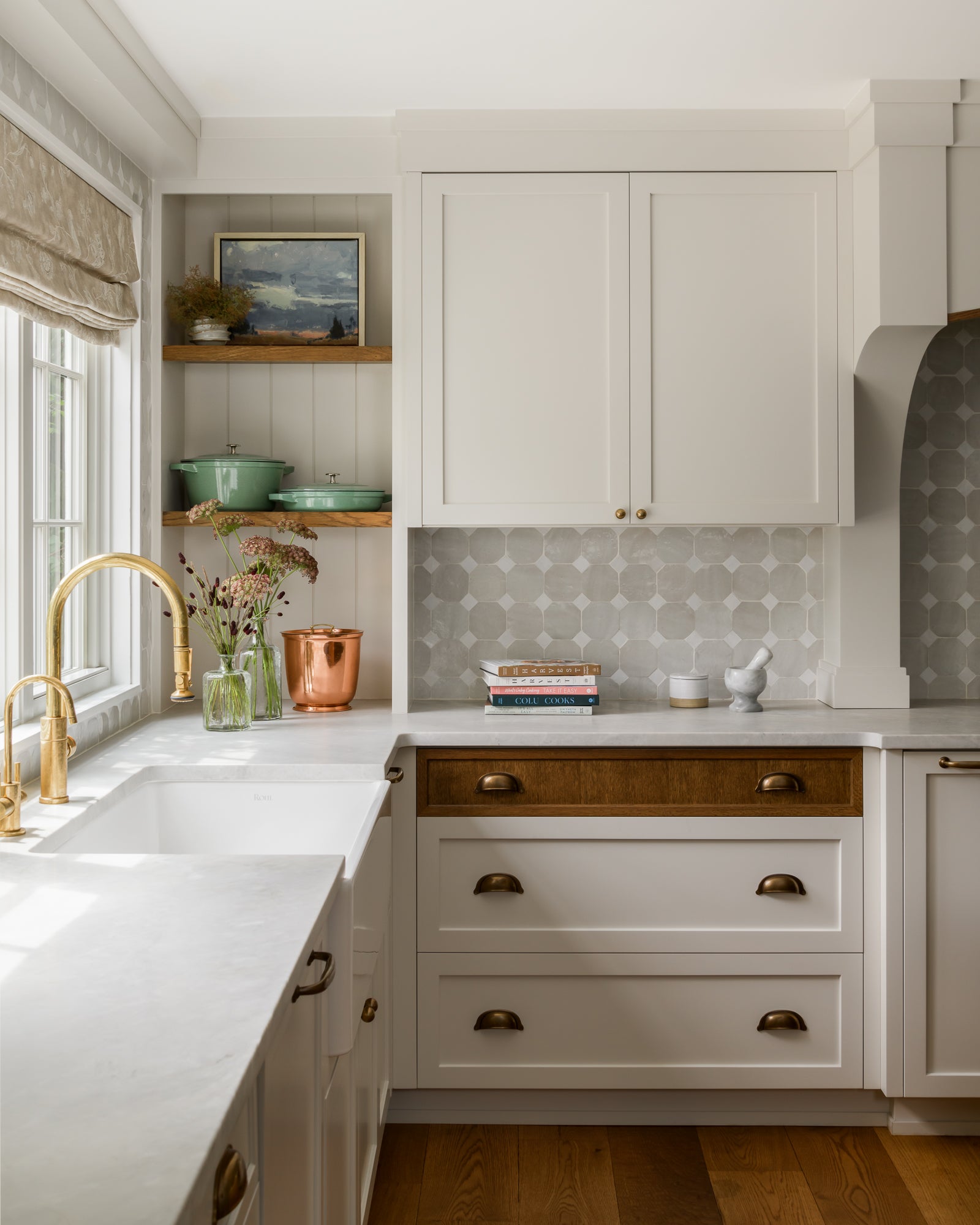
Interior by Courtney Reagan. Photography by Julia D Agostino
Cabinet hardware plays a larger role in a space than many homeowners expect. Beyond daily use, these small details influence how cabinetry looks and functions as part of the overall design.
Why Cabinet Hardware Matters
Pulls, knobs, and backplates make doors and drawers easier to use. They also shape the look of the cabinetry. Most designers consider hardware a key design element, and I agree. It adds definition and detail to cabinetry, and it can set the tone for the entire space.
There are a lot of options out there, so selection benefits from a little strategy. Hardware functions like jewelry, adding contrast, polish, and personality to the room.
Hardware is one of the highest-impact updates you can make without replacing cabinetry. A swap can change the entire look of a space.
Cabinet Hardware as a Design Investment
Updating cabinet hardware is one of the most cost-effective ways to refresh a kitchen or bathroom. It can shift the entire look of a space with minimal disruption. High-quality hardware can add value at resale, since buyers notice thoughtful details and craftsmanship. Durable materials and well-applied finishes wear better over time, both in function and appearance. Consider it a long-term investment, not a quick design fix
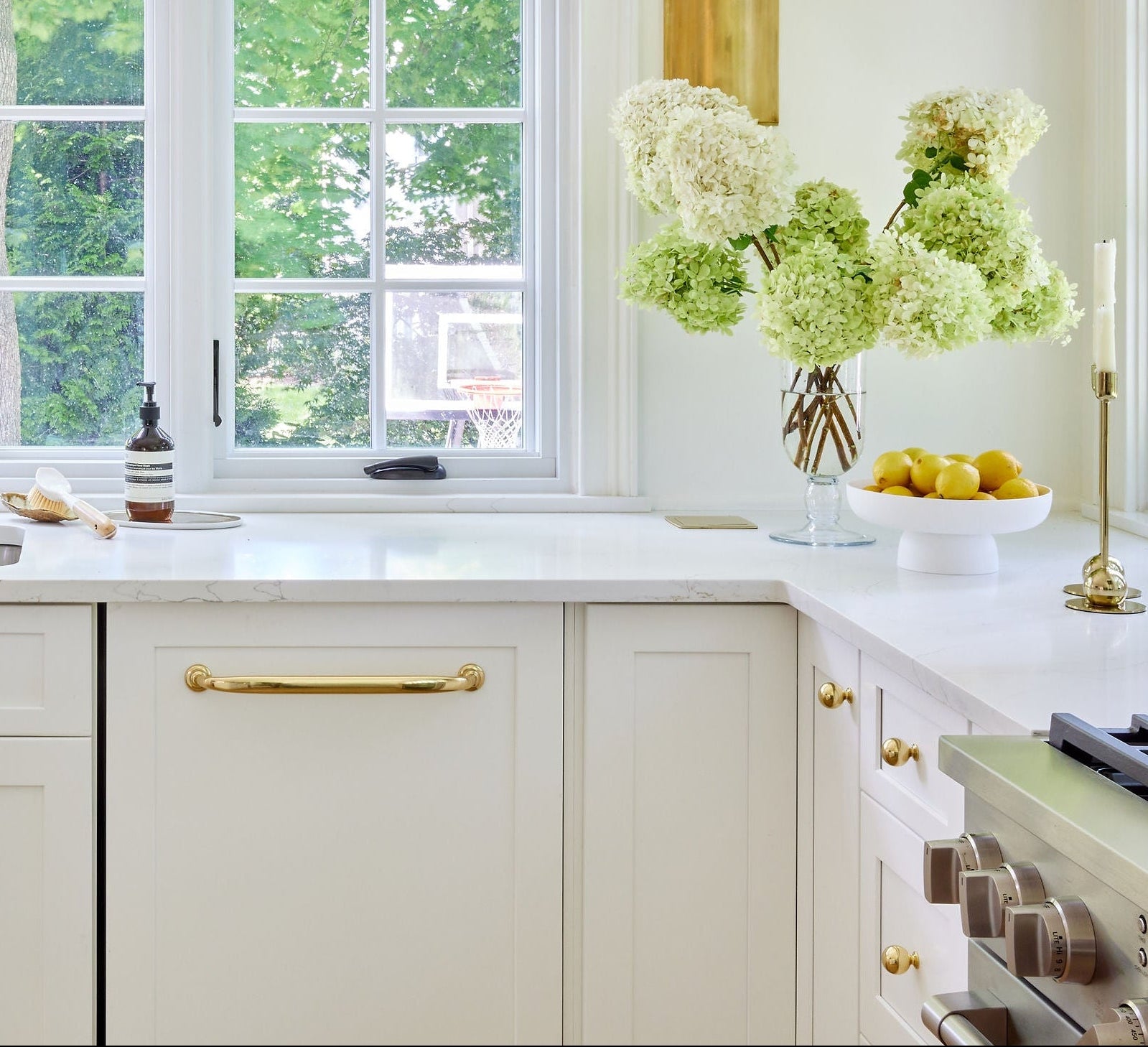
Interior by Mark D. Sikes. Photography by Amy Neunsinger
Before choosing styles or finishes, it’s worth understanding the materials and construction behind cabinet hardware. Material choice affects durability, appearance, and long-term performance.
Cabinet Hardware Materials Explained
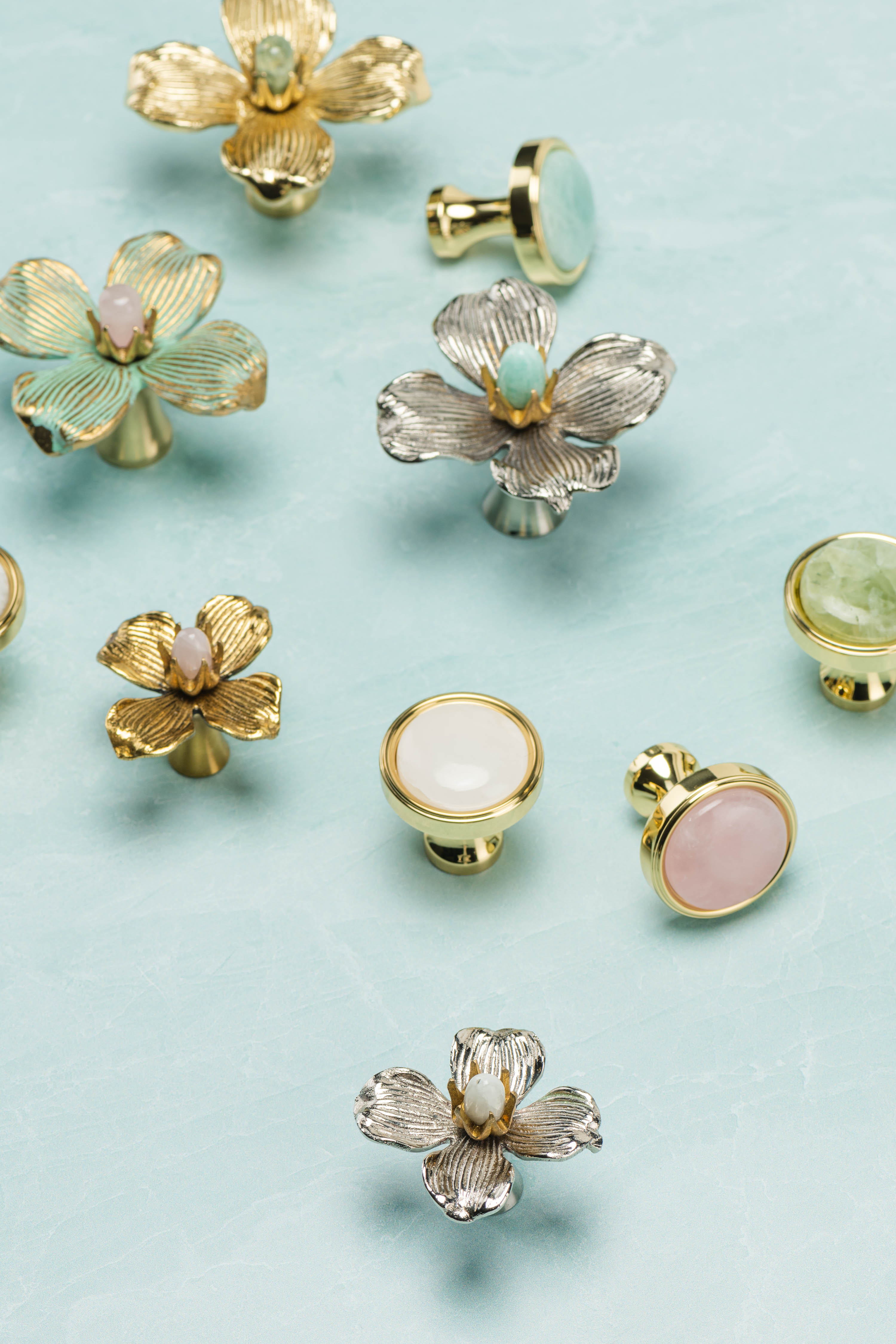
Quality cabinet hardware in a range of materials, each with distinct finish options and performance characteristics. These differences matter, especially when balancing style with daily use.
Common cabinet hardware materials include:
- Brass — A durable and long-lasting material with a warm appearance. Brass can develop a natural patina over time, adding character, or remain polished depending on the finish. It’s well-suited for high-use areas.
- Stainless steel — Known for its clean, modern look and excellent corrosion resistance. Stainless steel is easy to maintain and performs well in kitchens and bathrooms where moisture is common.
- Cast iron — Heavy and sturdy, cast iron is often used in rustic or industrial designs. It offers strong durability but typically requires protective finishes to prevent rust.
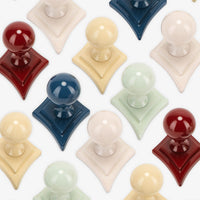
- Ceramic — Often decorative and available in a wide range of colors and patterns. Ceramic hardware adds personality but is best used in lower-impact areas.
- Acrylic — Lightweight and modern, acrylic hardware can create a sleek or playful look. It’s more decorative than structural and works best where durability demands are lower.
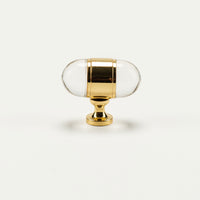
- Glass or crystal — These materials add shine and elegance, often used as statement pieces. While visually striking, they should be placed thoughtfully in lower-use areas.
- Wood — Warm and natural, wood hardware pairs well with organic or minimalist designs. It’s typically used as an accent rather than in high-traffic spaces.
When evaluating hardware quality, weight is a key indicator. Heavier pieces often signal solid construction rather than hollow cores. Finish application also matters, as well-applied finishes wear more evenly and hold up better over time.
Knobs and pulls serve the same function, facilitating the opening and closing of drawers and doors. However, knobs and pulls can differ significantly in shape and how they sit in your hand (and the material can affect that). I recommend trying both pulls and knobs in your hand before selecting. Choose what’s comfortable and intuitive to use.
Also consider frequency of use, placement (drawer vs. door), and available mounting space.
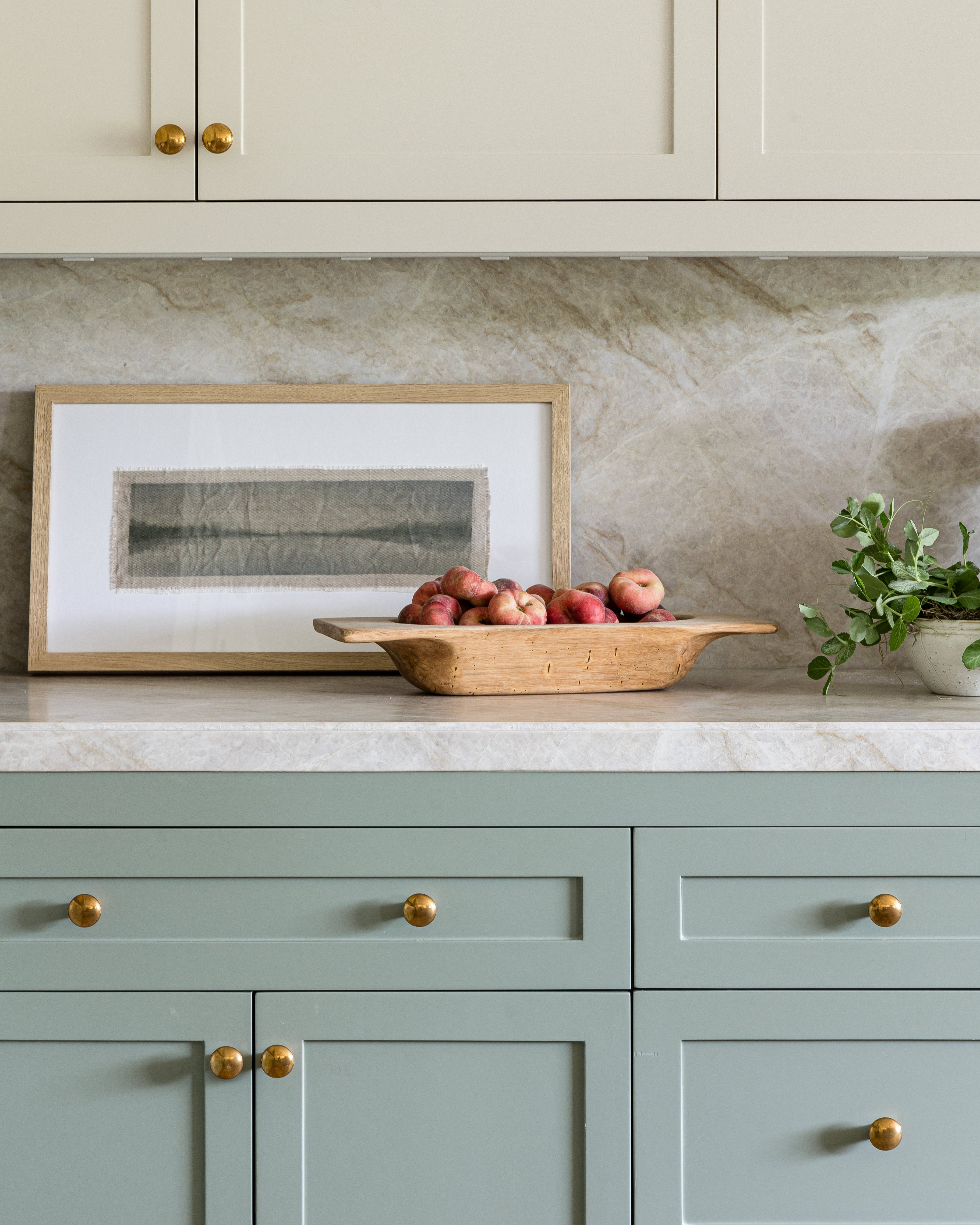
Cabinet Knobs
Knobs can be hollow or solid, with solid knobs offering more weight and a more substantial presence. They come in a wide range of shapes, including round, square, rectangular, oval, and other geometric shapes. Knobs are most commonly used on cabinet doors and smaller drawers, where their compact size stays balanced and unobtrusive. They’re a natural fit for lighter doors and areas where a simpler grip makes sense.
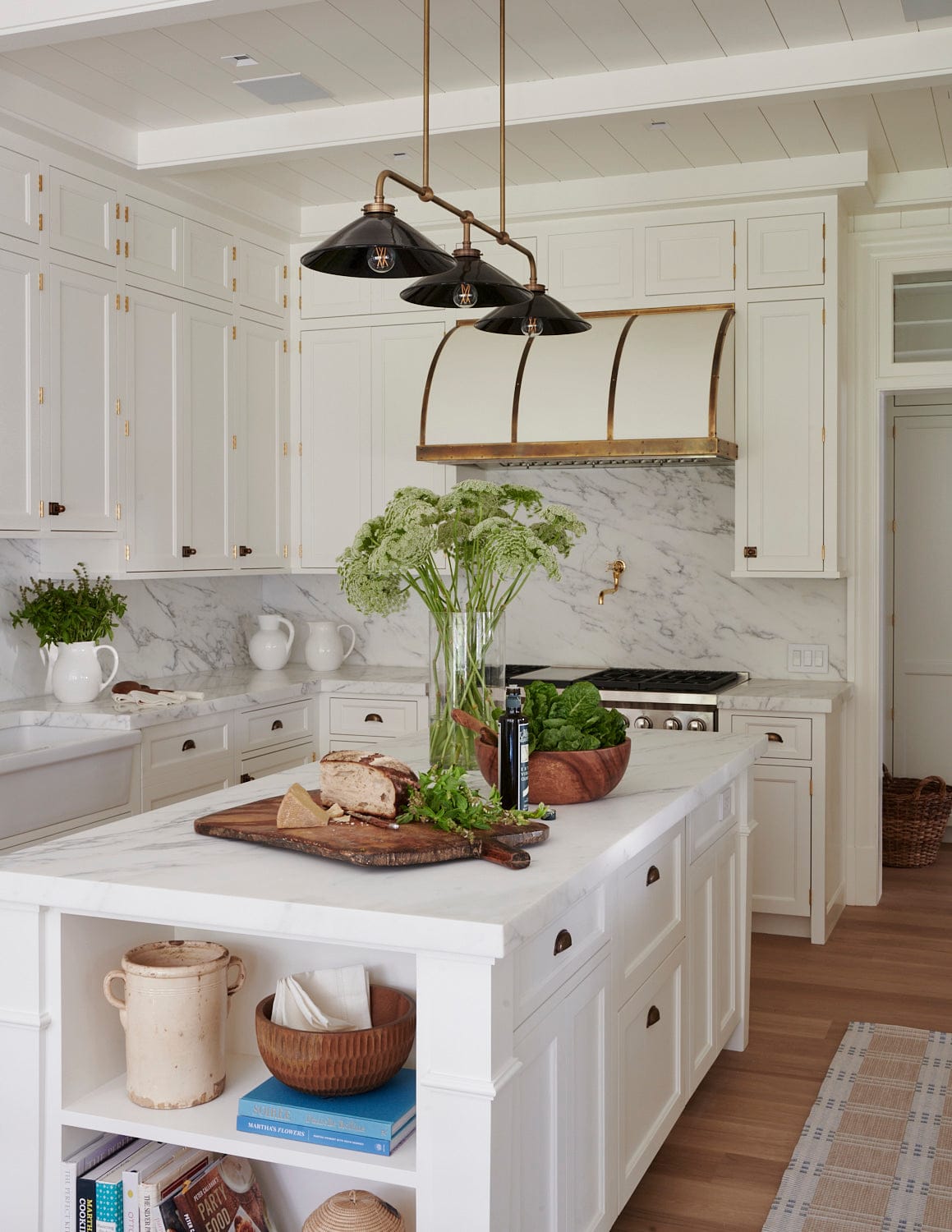
Interior by Pure Salt. Photography by Vanessa Lentine
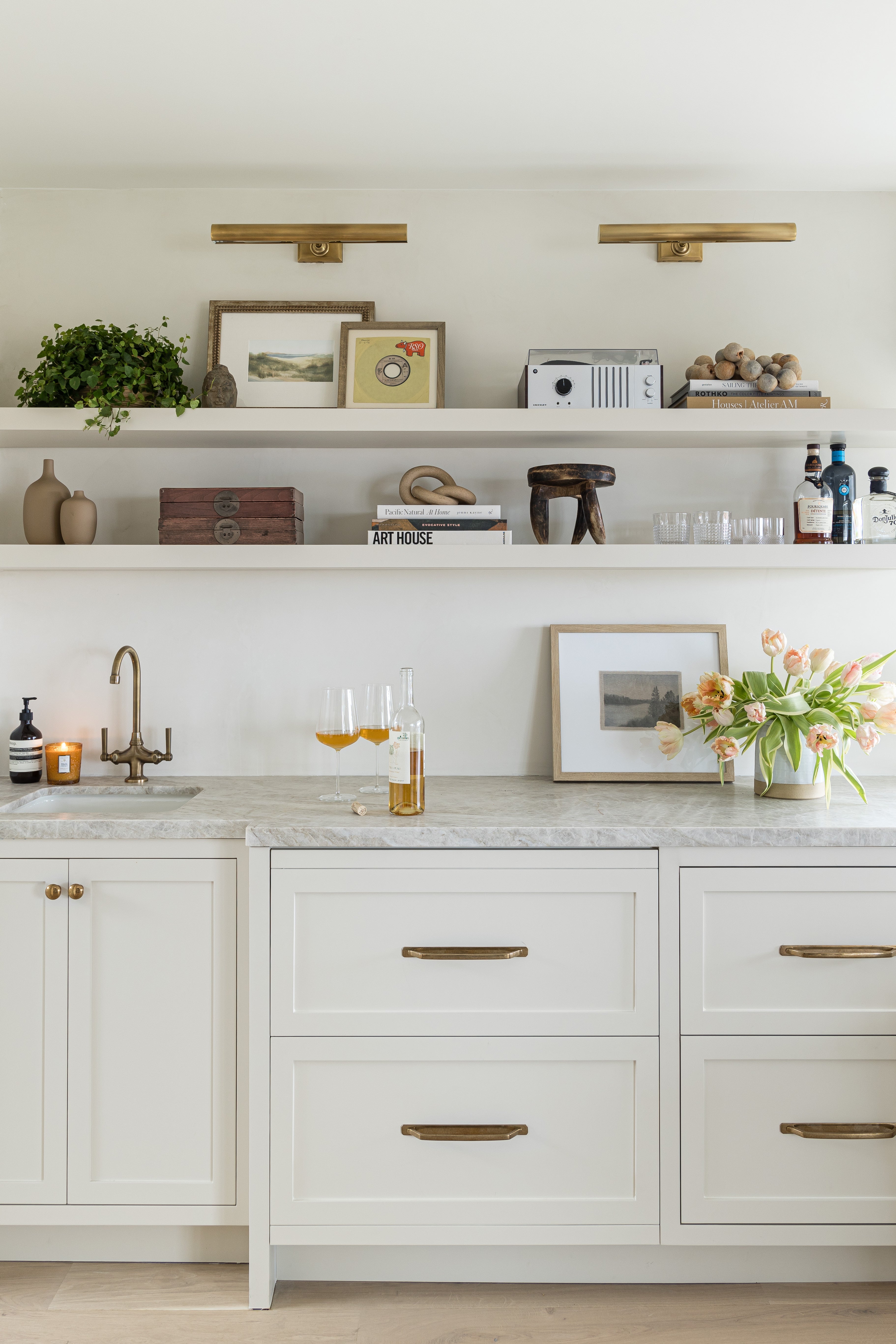
Cabinet Pulls
Pulls come in a wide range of styles, each with its own look and best use. Pull selection depends on design preference and how the cabinet or drawer is used.
Common types of cabinet pulls include:
- Bar pulls and handles — Clean and versatile, these pulls are available in a wide range of lengths. Their extended grip makes them ideal for large or heavy drawers where ease of use matters most.
- Bin and edge pulls — Bin pulls are often cup-shaped and vintage-inspired, while edge pulls offer a more minimalist, integrated look. Both styles are popular in kitchens where a balance of function and character is desired.
- Finger pulls — Subtle and low-profile, finger pulls work well in modern designs where hardware is meant to blend in.
- Cup pulls — A classic, recessed style that pairs well with traditional cabinetry and offers a comfortable grip.
Because pulls span more surface area than knobs, length matters. Pulls should be sized proportionally to the drawer or door, with longer pulls typically used on wider drawers. Try a few pull styles in person, especially for high-use drawers, to confirm grip and clearance.
Interior by Pure Salt. Photography by Vanessa Lentine
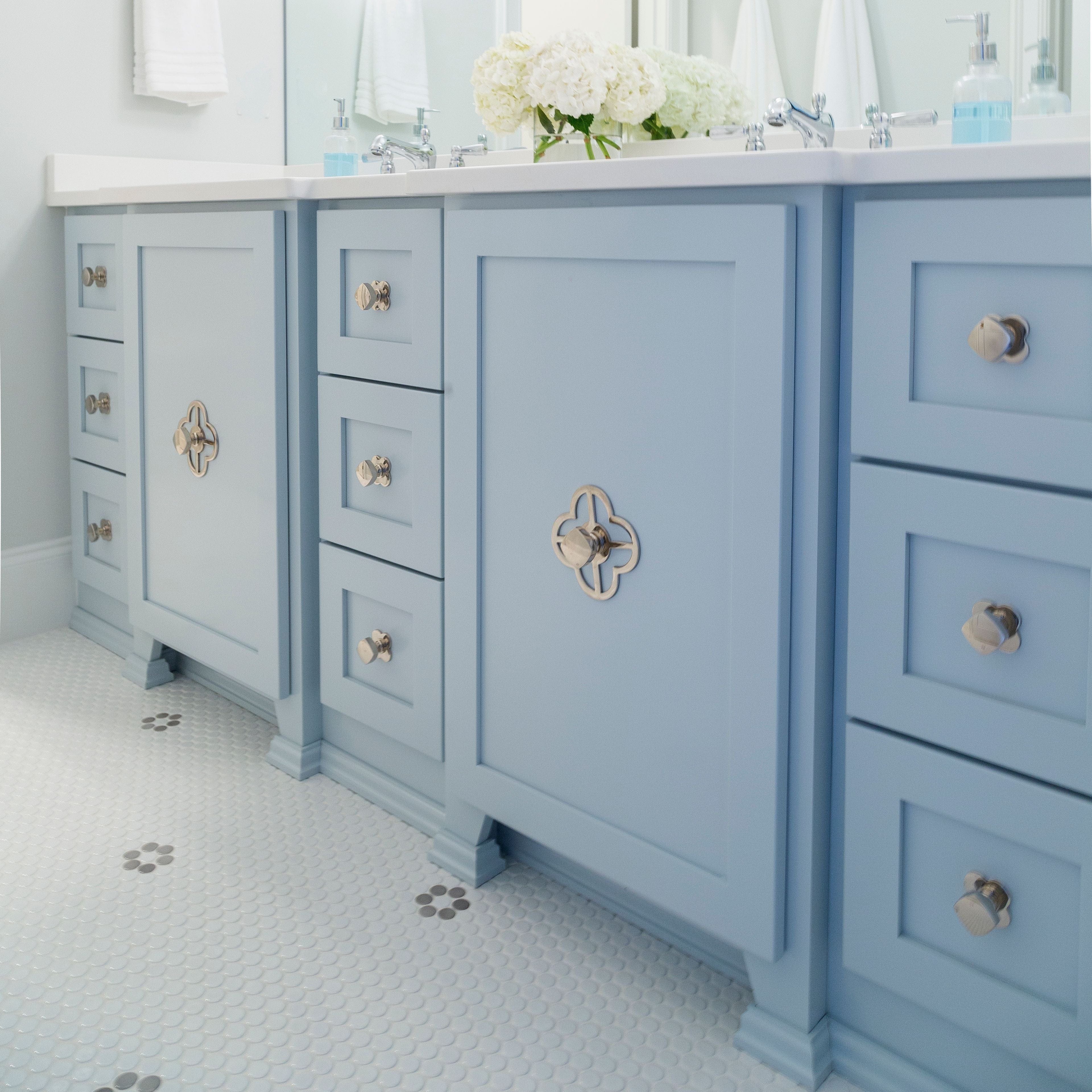
Backplates
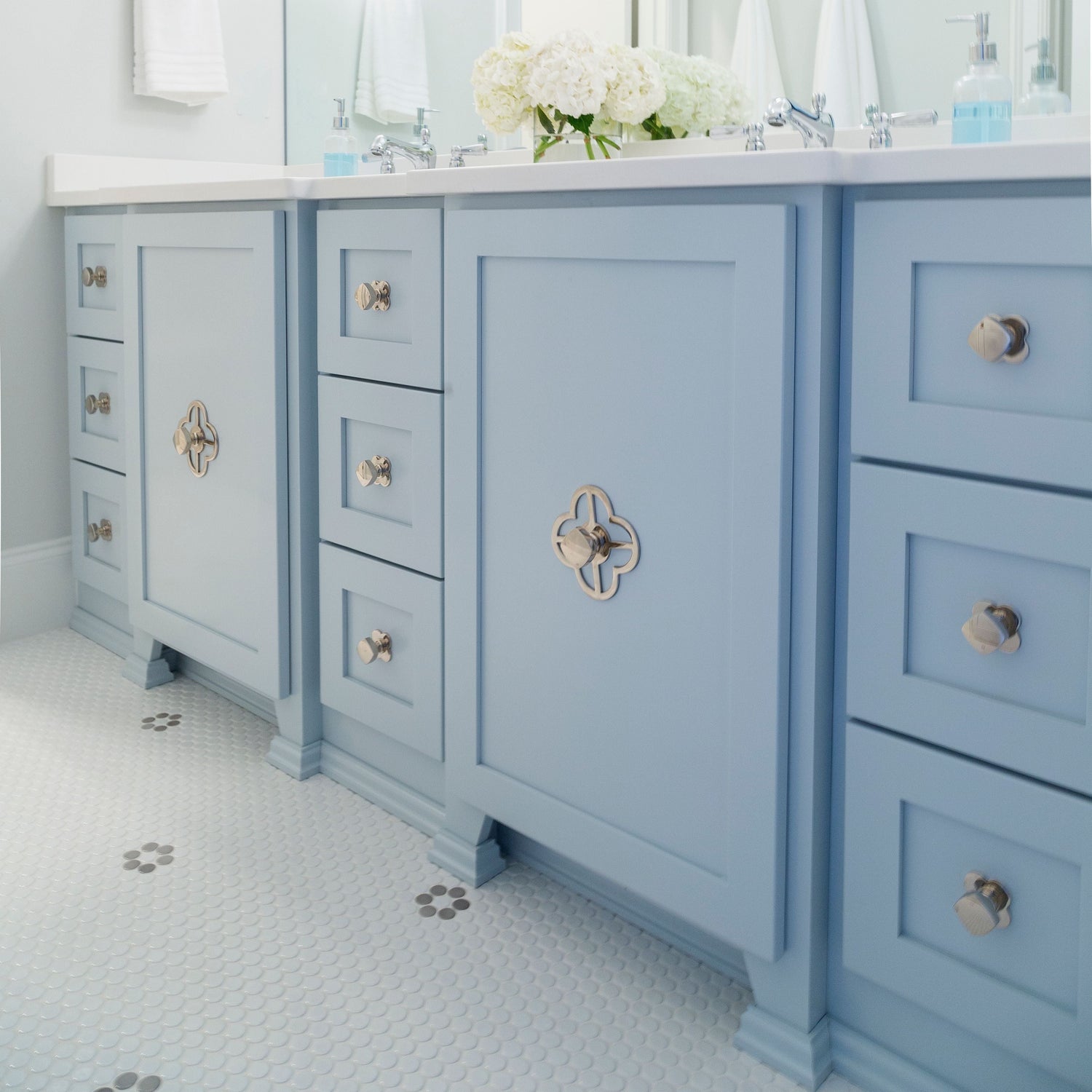
Backplates are a finishing detail that can add visual weight behind a knob. They also highlight decorative hardware and bring more presence to traditional cabinetry.
Backplates pair well with knobs on more decorative cabinetry, especially when you want added presence. In addition to their aesthetic role, backplates can serve a functional purpose by covering existing mounting holes from previous hardware or protecting cabinet surfaces from wear over time. This makes them useful not only for design impact, but also when updating or replacing older hardware.
Interior by Kate H Design
Cabinet hardware comes in several core types, each offering different functional and visual benefits. Understanding how various options differ helps narrow choices and creates a more intentional overall design.
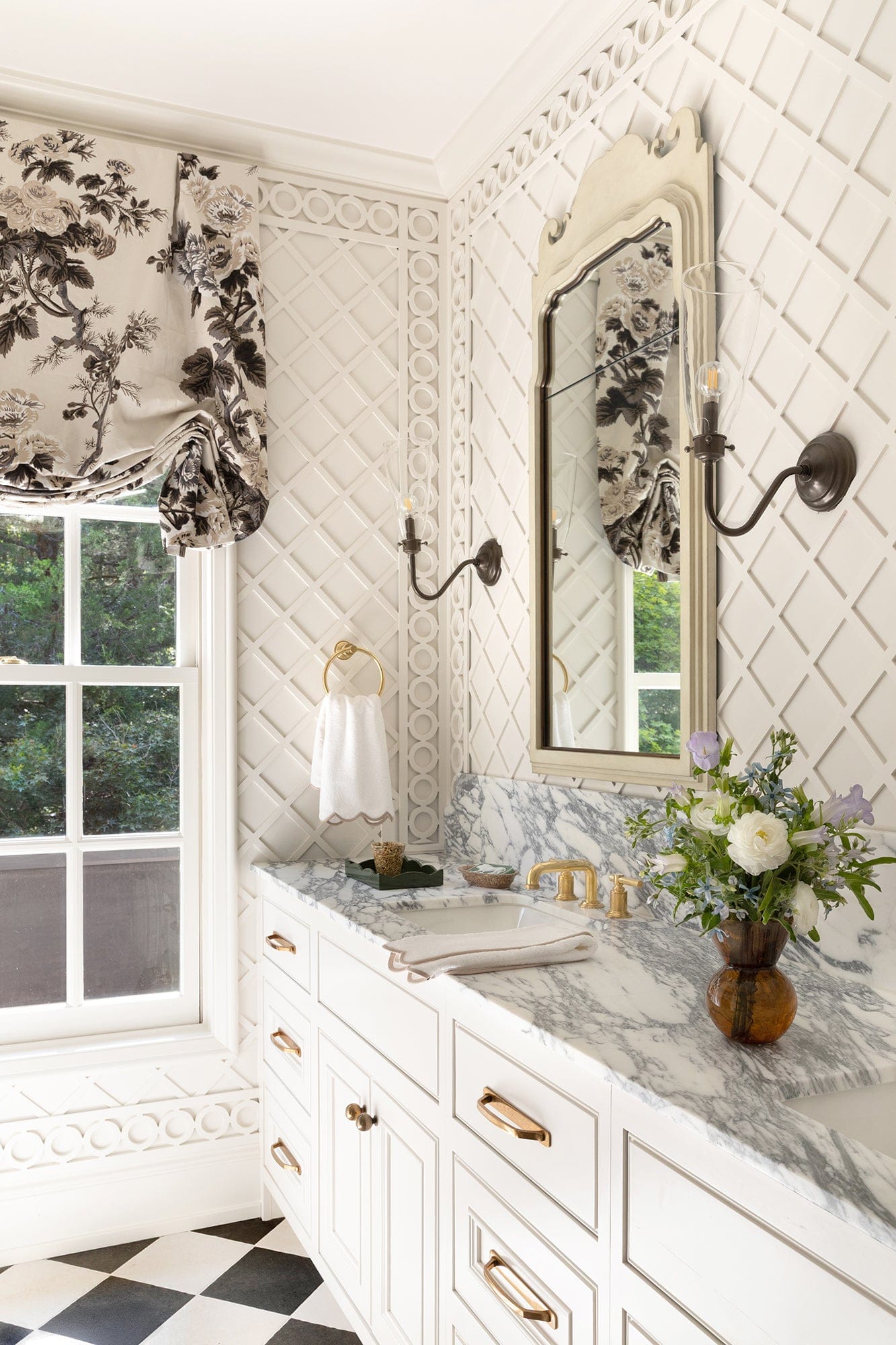
Determine Your Style Direction
Here are the essential elements to consider for cabinet hardware selection. If you need assistance selecting, an interior designer or showroom expert can help.
- Style — Is the room or are the cabinets modern, transitional, traditional, etc? Do you want to carry that style through to your hardware? Do you want knobs or pulls? Backplates?
- Ergonomic and intuitive — As I've said, hardware should feel good in your hand, which means it should be ergonomic. Using it should also be intuitive and easy.
- Finish — The countless finishes to select include brass, nickel, burnished brass, and unlacquered brass. The finish usually, but not always, coordinates with your faucets and, often, your appliances. That said, you can mix metals if done thoughtfully!
Different design styles often pair best with certain hardware characteristics:
- Modern/Contemporary — Clean lines, simple shapes, and minimal detailing define modern hardware. Finishes are often polished or matte, with an emphasis on streamlined silhouettes.
- Traditional — Traditional hardware tends to feature more decorative details, classic shapes, and warmer finishes. Knobs and pulls in this style tend to read as timeless rather than trendy.
- Transitional — Transitional hardware blends elements from both modern and traditional styles. These pieces offer a balanced, versatile look, making them a popular choice for homes that don’t lean strongly in one direction.
- Farmhouse/Rustic — Farmhouse and rustic styles favor hardware with texture and weight. Finishes often skew warmer or darker, with sturdy, practical shapes.
Vintage and Antique —Vintage-inspired hardware draws from historic designs, often featuring ornate details or aged finishes. These pieces add character and work especially well in older homes or eclectic spaces.
Interior by Alexandra Norwood for 2025 Flower Magazine Nashville Showhouse. Photography by Leslee Mitchell
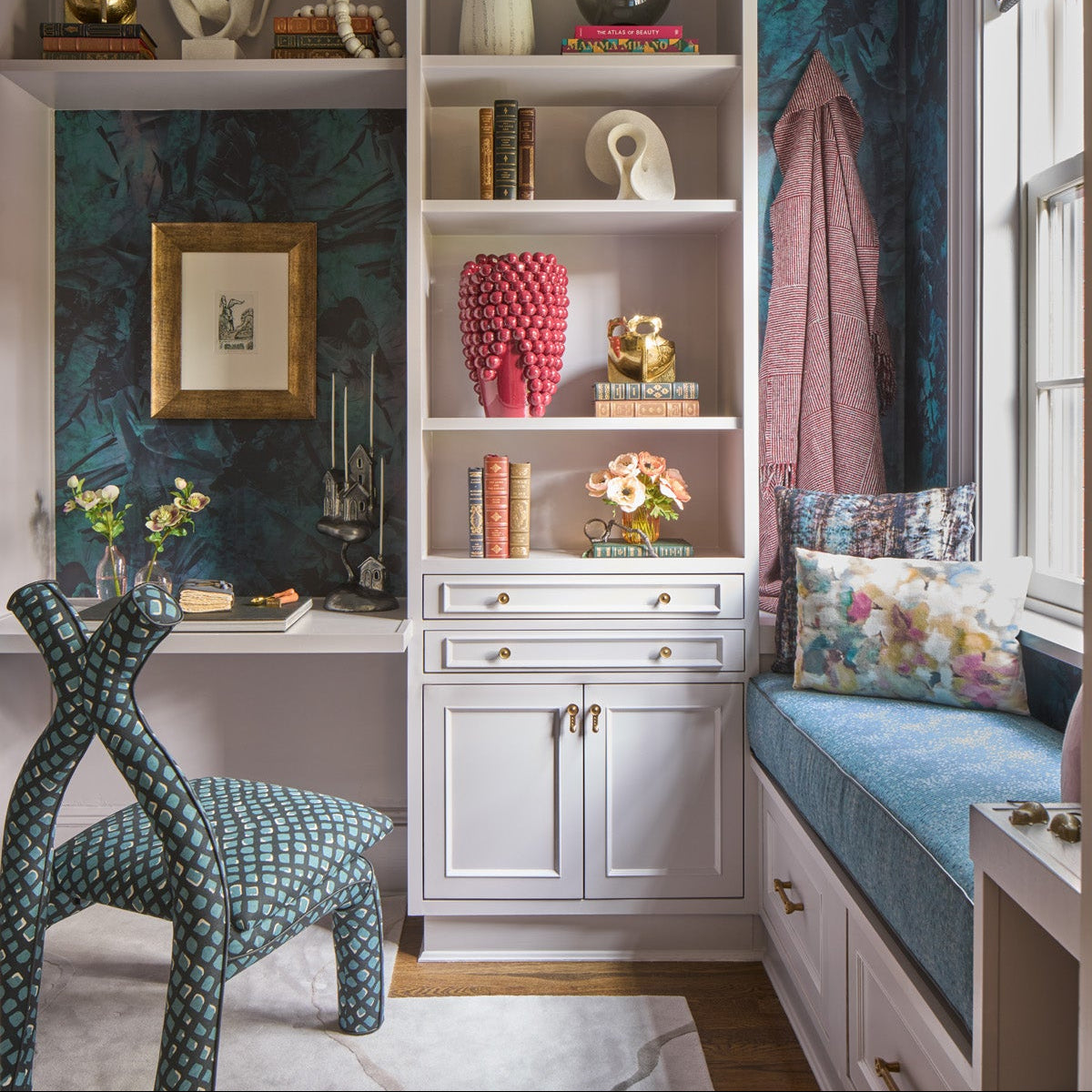
Knobs vs. Pulls: Making the Right Choice
Choosing between knobs and pulls depends on both function and appearance. Knobs are often used on cabinet doors and upper cabinets, where their smaller size keeps the look light at eye level. Pulls are better suited for drawers and heavier doors, since they provide more grip and leverage. Many homeowners choose to mix knobs and pulls intentionally, using each where it works best. From an ergonomic standpoint, pulls are often easier to use for frequent or heavy tasks, while knobs work well for lighter use. Visually, knobs read more subtle, while pulls add stronger lines and more visual weight to cabinetry.
Interior by Studio Jai Home, Photography by Marco Ricca
Hardware size is just as important as style. Hardware that’s too small can look underwhelming, while oversized pieces can overpower cabinetry. Understanding how size relates to drawer width, door height, and overall scale helps ensure the hardware looks balanced and functions comfortably in daily use.

How to Determine the Right Pull Length
Pull length affects visual balance and usability. A common guideline is the rule of thirds, where the pull length is roughly one-third the width of the drawer.
- Small drawers (under 12 inches) — 3–4 inch pulls typically feel proportionate and easy to use.
- Medium drawers (12–24 inches) — Pulls in the 5–8 inch range offer a balanced look and comfortable grip.
- Large drawers (24 inches and wider) — Pulls measuring 8 inches or longer provide better leverage and visual weight.
-
Oversized statement pulls — Longer pulls can be used intentionally on focal points, such as kitchen islands, to create visual impact.
Interior by Bena Langford from Studio Lang New York. Photography by Olivia Morales Photography
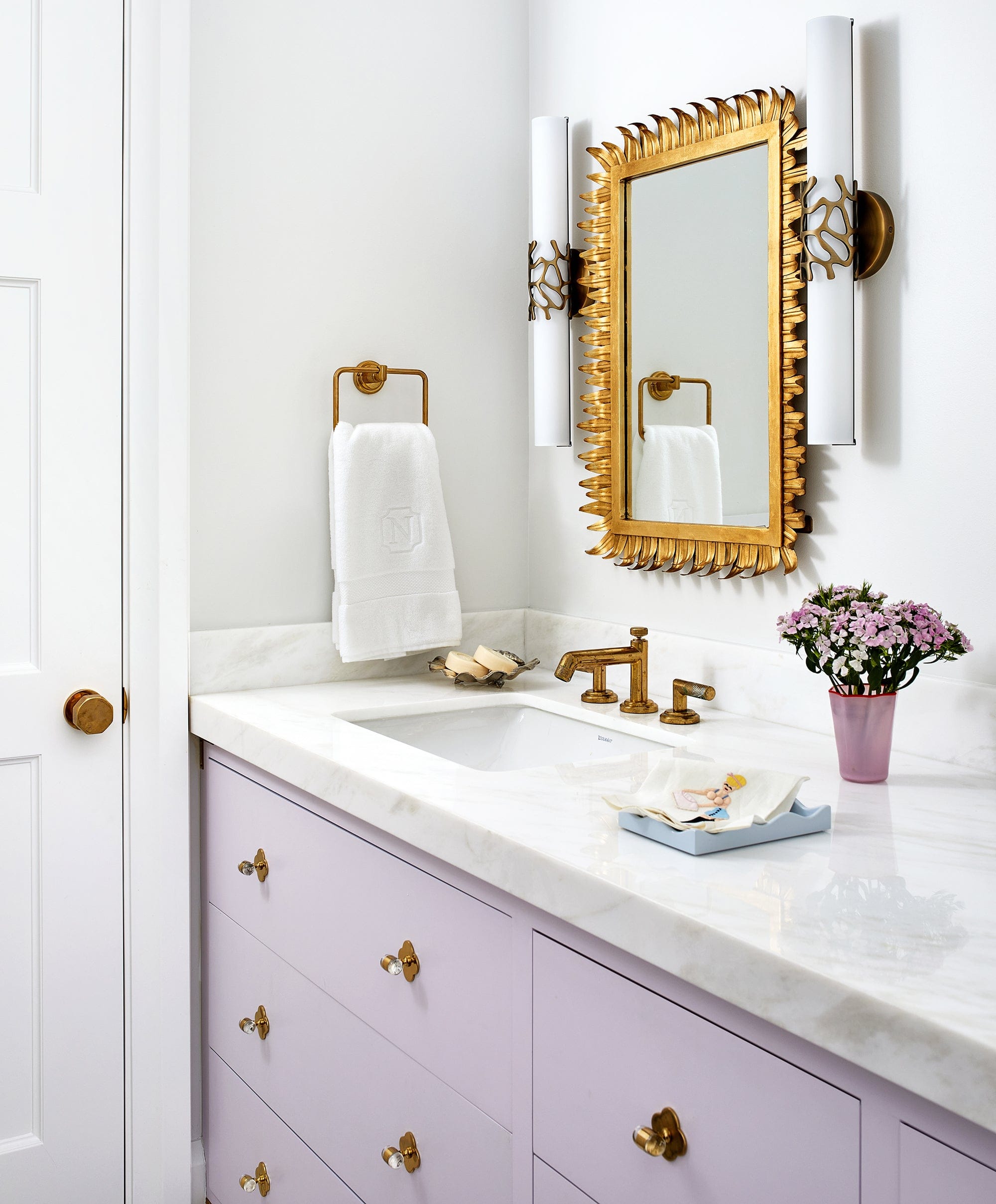
Knob Size Considerations
Knob size affects both comfort and visual balance. Proportion is what makes hardware look considered.
- Standard knob sizes — Most cabinet knobs range from 1.25 to 1.5 inches in diameter and work well for the majority of cabinet doors.
- Statement knobs — Larger knobs, typically 1.75 to 2.5 inches, are often used as decorative accents or focal points.
- Proportion to cabinet door size — Knobs should feel balanced with the size of the door. Oversized doors often benefit from slightly larger hardware.
Visual balance with room size —In larger rooms, slightly larger knobs can help hardware feel substantial, while smaller spaces often benefit from more understated sizing.
Interior bySokol Johnson. Photography by Stacy Zarin Goldberg
Even beautiful hardware can look off if it’s placed incorrectly. Proper placement and installation help ensure cabinet hardware looks consistent, functions comfortably, and holds up over time. A few basic guidelines can make a noticeable difference in both appearance and everyday use.
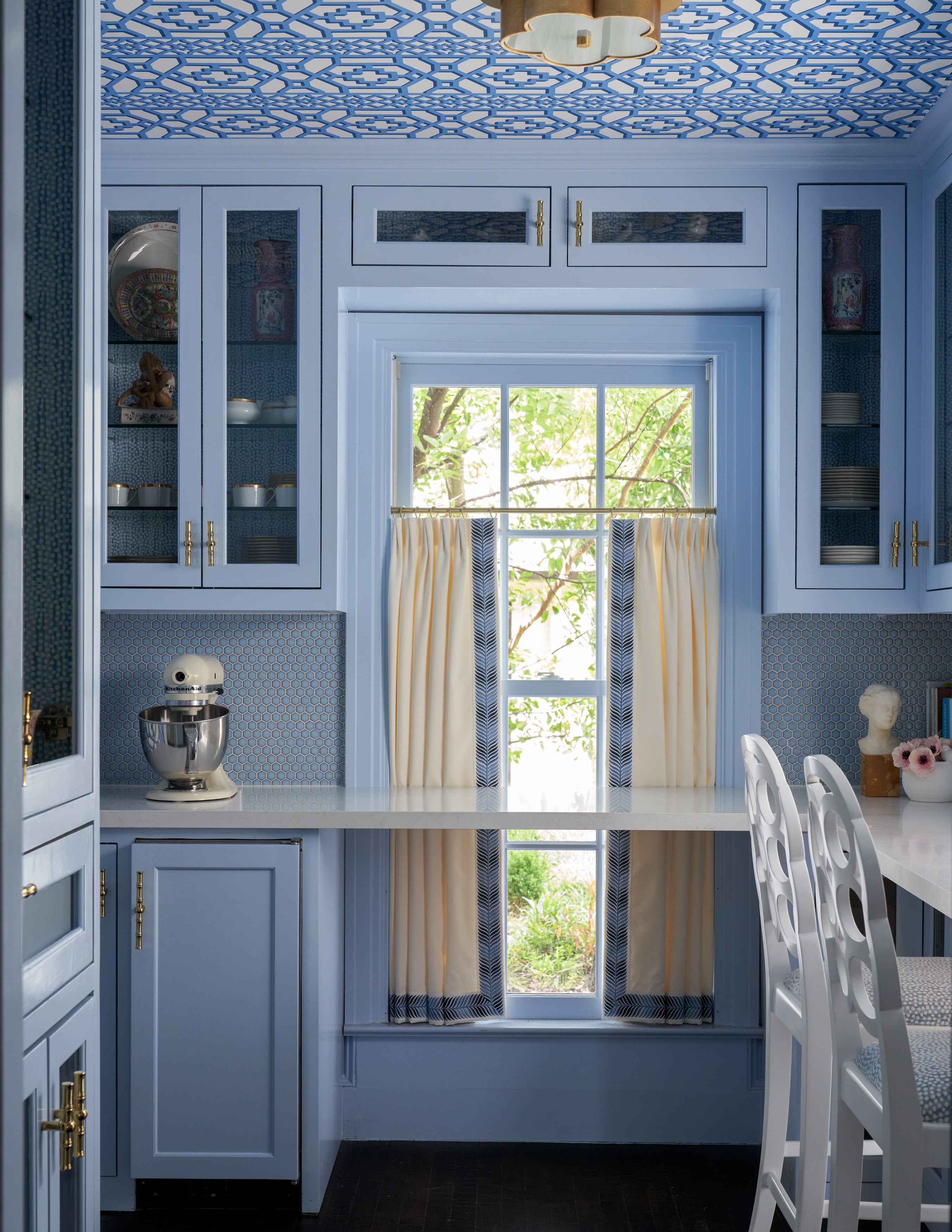
Where to Place Cabinet Hardware
- Upper cabinet knobs — Knobs are typically placed 2.5 to 3 inches from the corner of the cabinet door for a balanced, easy-to-reach position.
- Drawer pulls — Pulls are usually centered horizontally and positioned in the upper third of the drawer vertically for comfortable use.
- Consistency across the space — Keeping placement uniform throughout the kitchen or bathroom creates a more cohesive, polished look.
- Using hardware templates — Cabinet hardware templates ensure accurate placement, especially when installing multiple pieces or working with new cabinets.
Installation Best Practices
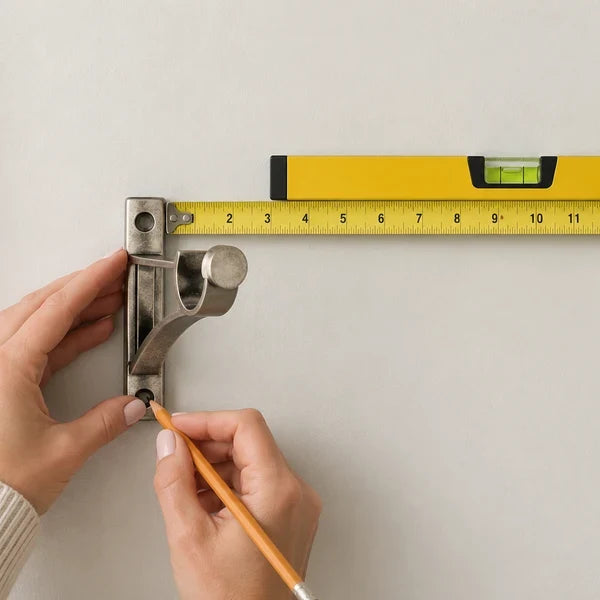
Installing cabinet hardware correctly is just as important as choosing the right style. Basic tools like a drill, measuring tape, level, and screwdriver are typically all that’s needed, but careful measuring and marking are key to getting consistent results. When working with existing cabinets, pre-drilled holes may influence hardware selection, while new installations require precise drilling to maintain alignment. In cases involving high-end cabinetry, complex layouts, or custom hardware, hiring a professional ensures everything is installed accurately and without damage.
Interior by Dunbar Road Design. Photography by Nathan Schroder
Finish choice plays a major role in how cabinet hardware reads within a space. The right finish can tie cabinetry to fixtures, appliances, and surrounding materials while reinforcing the overall design style.
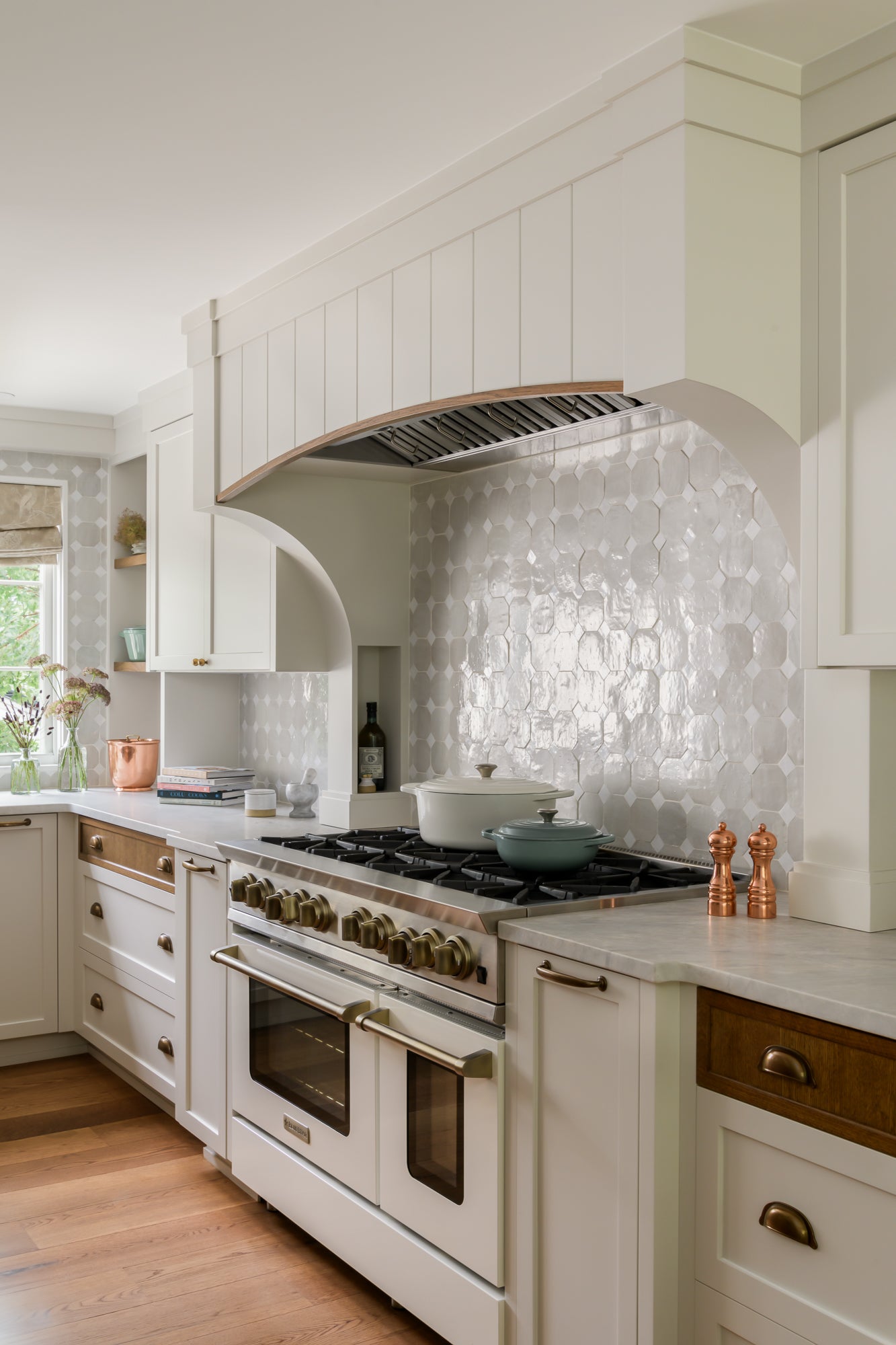
Popular Cabinet Hardware Finishes
Cabinet hardware finishes range from warm and traditional to cool and modern, with options that suit nearly every aesthetic. Understanding the characteristics of each finish helps narrow choices and ensures hardware complements the rest of the room rather than competing with it.
Warm Metal Finishes
Warm metal finishes add depth and richness to cabinetry and often feel inviting and timeless.
- Brass cabinet hardware — Classic and versatile, brass offers warm undertones that work across traditional, transitional, and modern spaces.
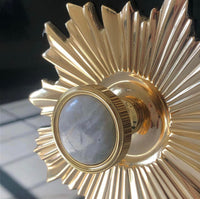
- Gold cabinet hardware — Luxe and eye-catching, gold finishes make a statement and come in a range of tones from soft champagne to bold yellow gold.
- Unlacquered brass — A living finish that develops patina over time, adding character and an aged look with use.
- Brushed brass — Softer and more muted than polished brass, this finish helps hide fingerprints and everyday wear.
- Oil rubbed bronze — Dark and traditional with an aged appearance, oil rubbed bronze adds contrast and depth to cabinetry.
-
Rose gold — A contemporary option with a softer, feminine feel, often used as an accent finish.
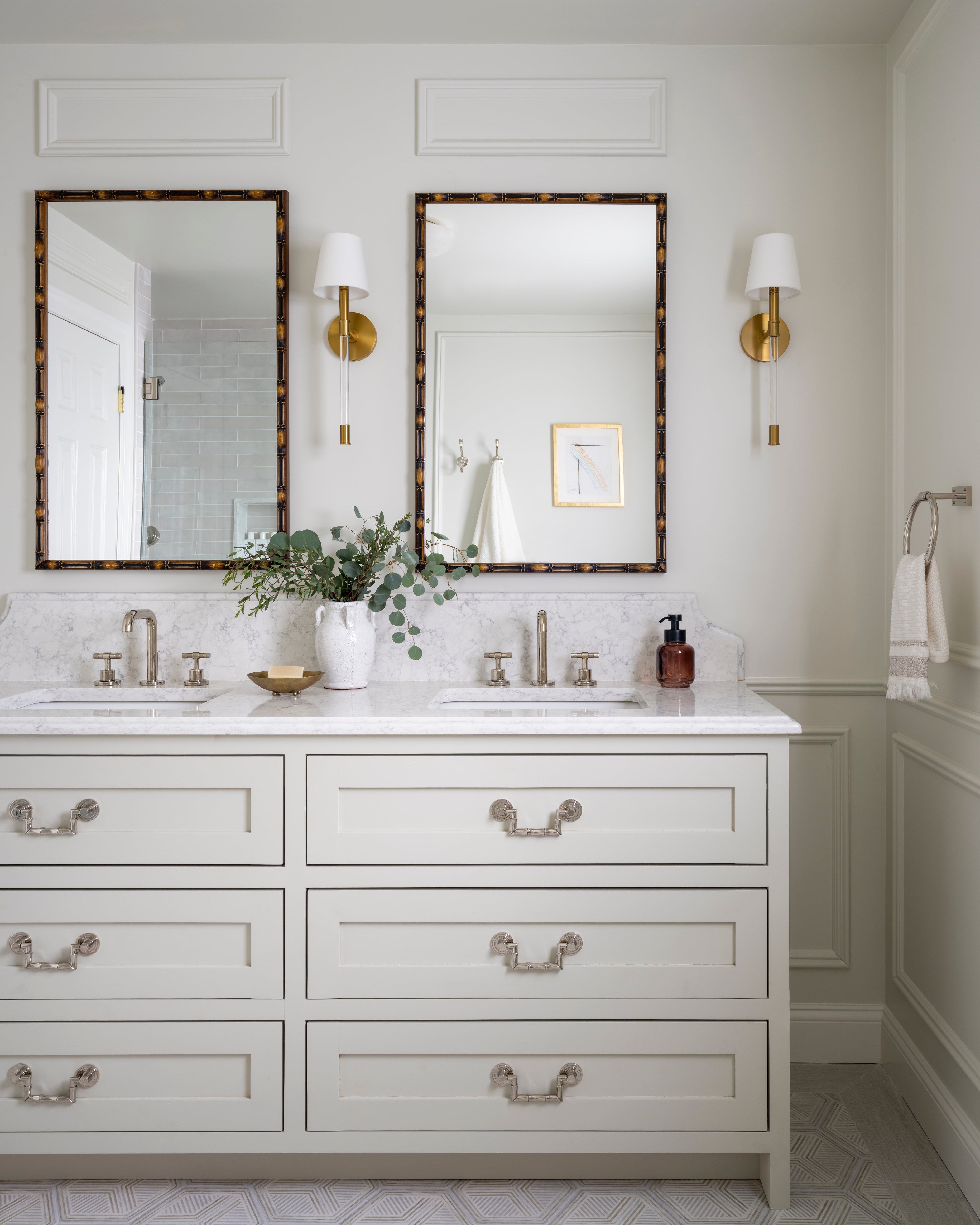
Interior by Happy HiveDesign. Photography by Meghan Balcom Photography.
Cool Metal Finishes
Cool metal finishes create a clean, modern look and pair well with contemporary cabinetry and appliances.
- Brushed nickel — One of the most popular choices, brushed nickel is neutral and works well with nearly any color palette.
- Polished nickel — Brighter and more reflective than brushed nickel, polished nickel adds a refined, upscale feel.
- Chrome — Sleek and modern, chrome has a high-shine finish that’s easy to clean and maintain.
- Stainless steel — Durable and industrial in appearance, stainless steel pairs seamlessly with stainless appliances.
- Silver hardware — Versatile and transitional, silver finishes bridge the gap between warm and cool tones.
Bold Statement Finishes
Bold finishes create contrast and help cabinet hardware stand out as a design feature.
- Matte black cabinet hardware — A modern farmhouse favorite, matte black offers a clean, understated look with strong visual impact.
- Black cabinet hardware — Rich and dramatic, black hardware adds contrast and acts as a grounding element, especially on lighter cabinetry.
-
White cabinet hardware —Soft and subtle, white hardware blends seamlessly with white cabinets for a cohesive, understated appearance.
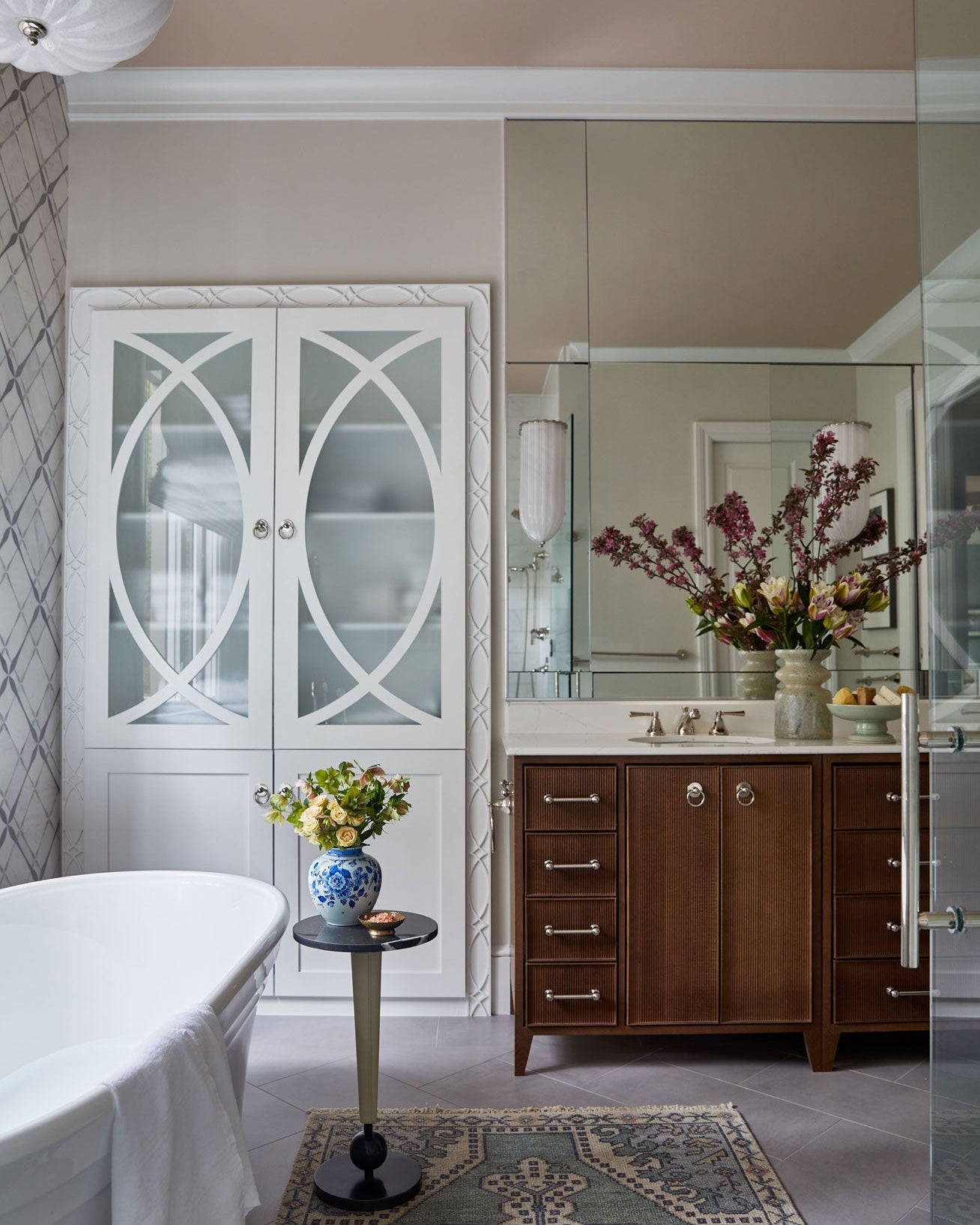
Interior by Jennifer Markowitz
Matching Hardware Finishes with Your Space
Choosing the right hardware finish depends on how it works with the rest of the room. Cabinet hardware often coordinates with nearby faucets and fixtures, either by matching finishes exactly or by complementing them for subtle contrast. The same approach applies to appliances. Hardware doesn’t need to match appliance finishes perfectly, but it should coordinate in tone, whether warm or cool.
Cabinet color also plays a role. White kitchen cabinets offer flexibility, allowing finishes like brass to add warmth or nickel and chrome to maintain a clean, classic look. Dark cabinets can support contrast with lighter finishes or create continuity with darker hardware. Oak cabinets tend to pair best with warm metals that complement natural wood tones. For Shaker cabinets, simple hardware shapes and classic finishes reinforce the style’s clean, balanced design.
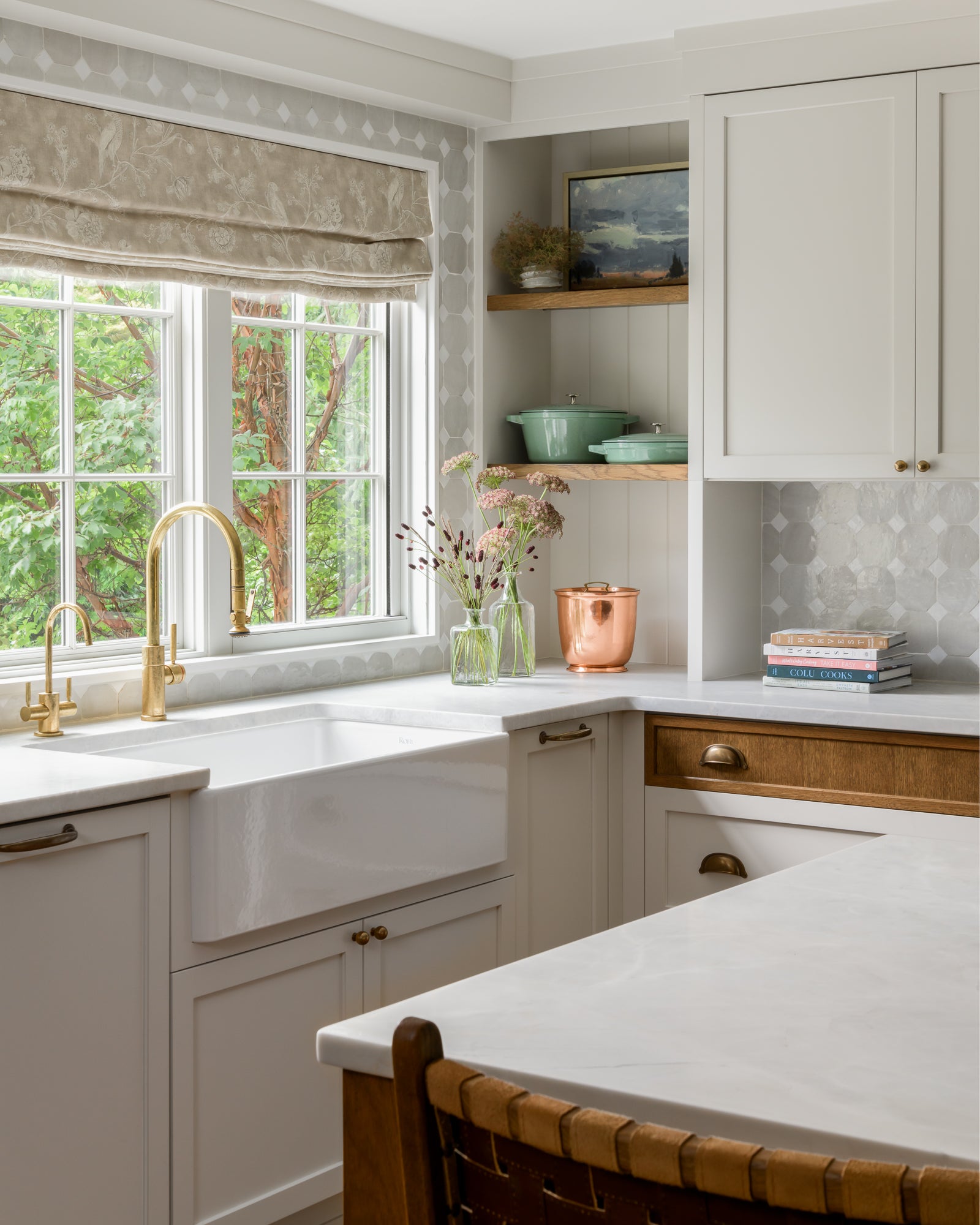
Interior by R Titus Designs. Photography by Bri Williams
Mixing Metals: When and How
Mixing metal finishes can add depth and character when done intentionally. Rather than matching everything exactly, mixing allows hardware to feel layered and collected while still working as a cohesive whole.
A common guideline is the 70–20–10 rule, where one finish dominates the space, a secondary finish supports it, and a small accent finish adds contrast. Warm and cool metals can work well together when their undertones feel balanced, such as pairing brass with nickel or black. To maintain visual cohesion, repeat each finish at least once so nothing looks random. Mixed metal hardware continues to be a popular trend, especially in kitchens and bathrooms that aim for a more personalized, less uniform look.
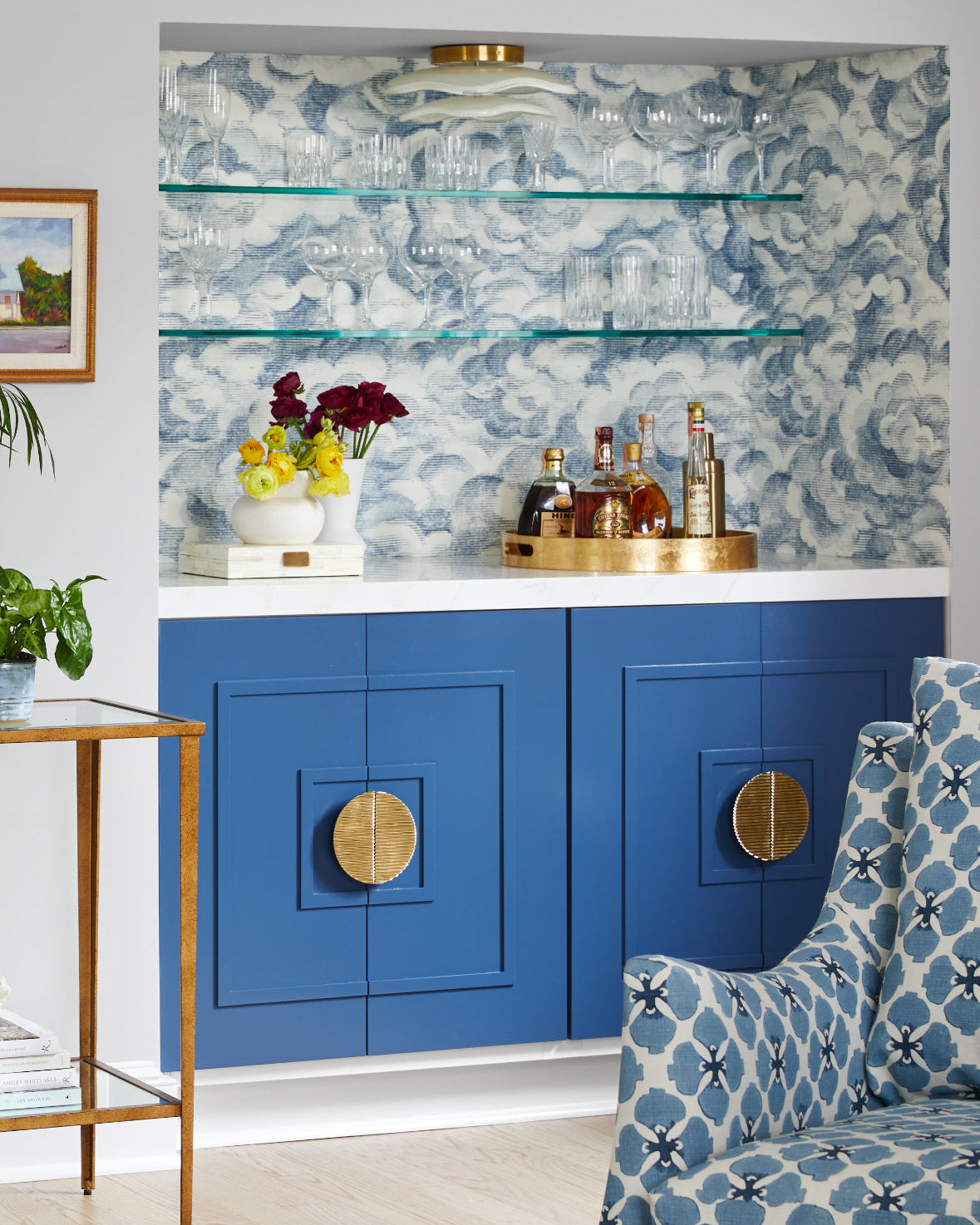
Interior by Happy Hive Design. Photography by Meghan Balcom
Brass vs. Gold Hardware: Understanding the Difference
While brass and gold hardware are often grouped together, they differ in tone, durability, and best applications. Brass typically has warmer, deeper undertones and is known for its strength and longevity, making it a reliable choice for high-use areas. Gold hardware tends to be brighter and more reflective, often used as a decorative accent depending on the finish.
Brass, especially unlacquered options, can age gracefully and develop character over time, while gold finishes may require more care to maintain their original appearance. Price points can also vary, with brass often commanding a higher cost due to material quality and durability. Brass works well for everyday cabinetry, while gold hardware is often best used to create visual interest in lower-use or focal areas.
Interior by Kristina Phillips Interior Design. Photography by Laura Moss