
Modern Matter Blog
The Ultimate Guide to Cabinet Pulls: Bar, Edge, Cup, and Beyond
Contemporary cabinet pulls define both the look and function of your cabinetry. From streamlined bar pulls to low-profile edge pulls and classic cup styles, each offers a distinct design approach.
This guide outlines key considerations for selecting cabinet pulls that align with your interior, including:
- Common cabinet pull types, including bar, edge, and cup styles
- How each style influences usability and visual impact
- What to consider when selecting pulls for your cabinetry
- How finishes and proportions influence the final look
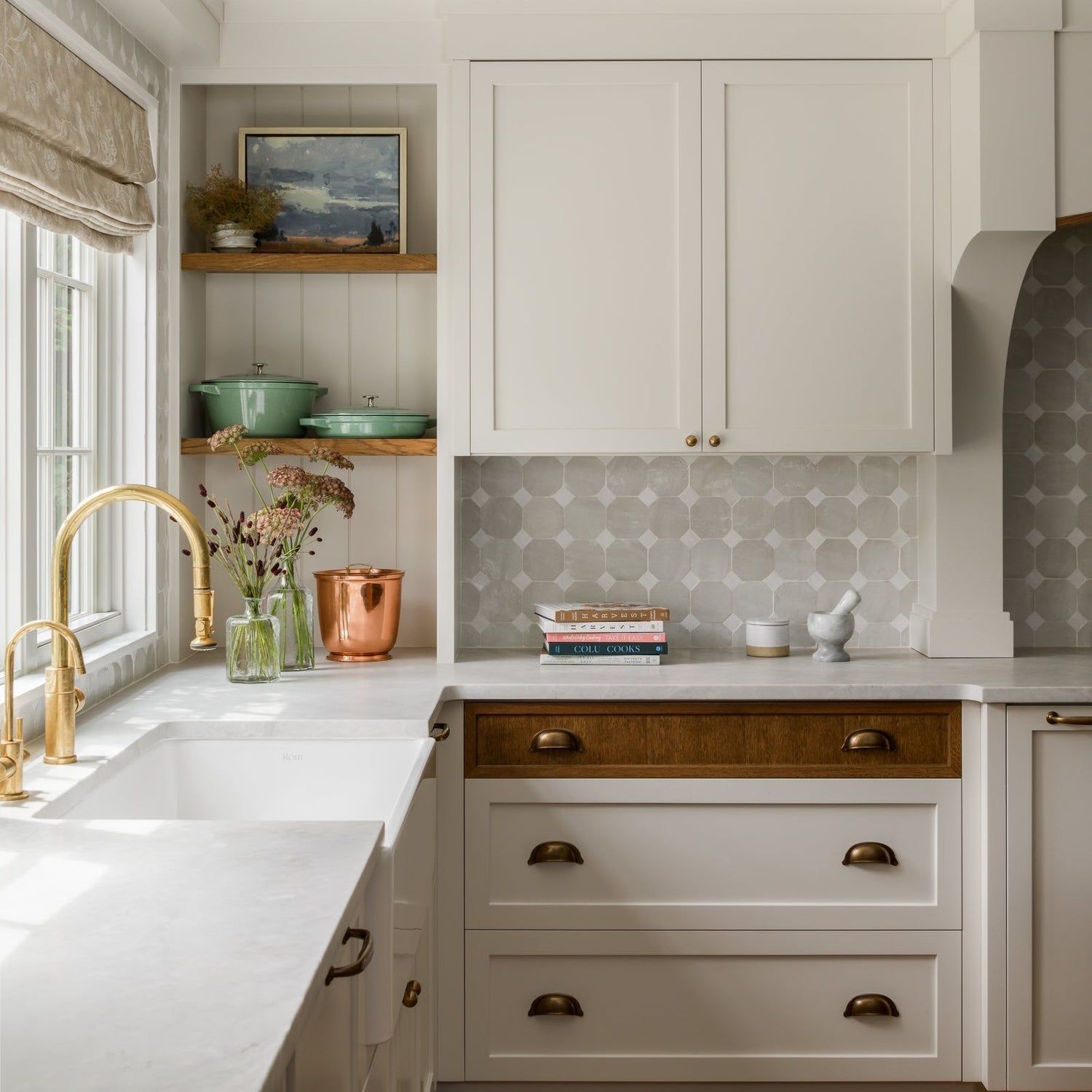
Luxury cabinet hardware brings a greater sense of intention and refinement to kitchens and bathrooms. It balances aesthetic detail with everyday function, bringing greater clarity and refinement to the room. The right pull should provide a comfortable grip while aligning with the design language of the room. Material, shape, and finish each contribute to the final composition. Thoughtful hardware can elevate a space without a full remodel, while well-crafted pieces bring lasting quality and a more nuanced finish over time.
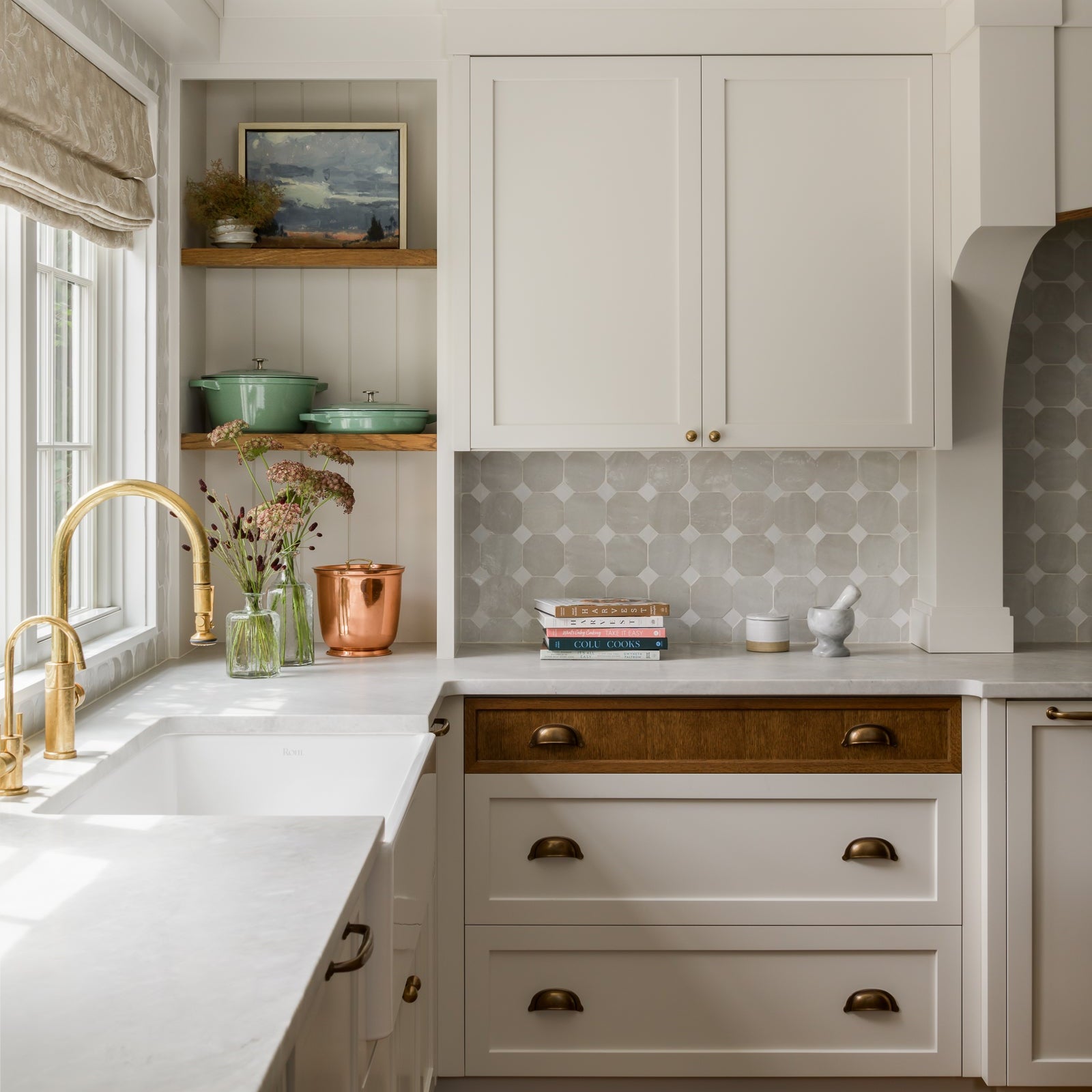
Interior by Cortney Bishop Design. Photographer Katie Charlotte
Defining Your Style with Classic and Contemporary Cabinet Pulls
Cabinet pulls play a key role in shaping the style of an interior. From classic designs to more contemporary cabinet pulls, each option introduces a distinct visual character. Understanding these distinctions helps ensure your hardware supports your design direction.
The Timeless Appeal of Bar Pulls and T-Bars
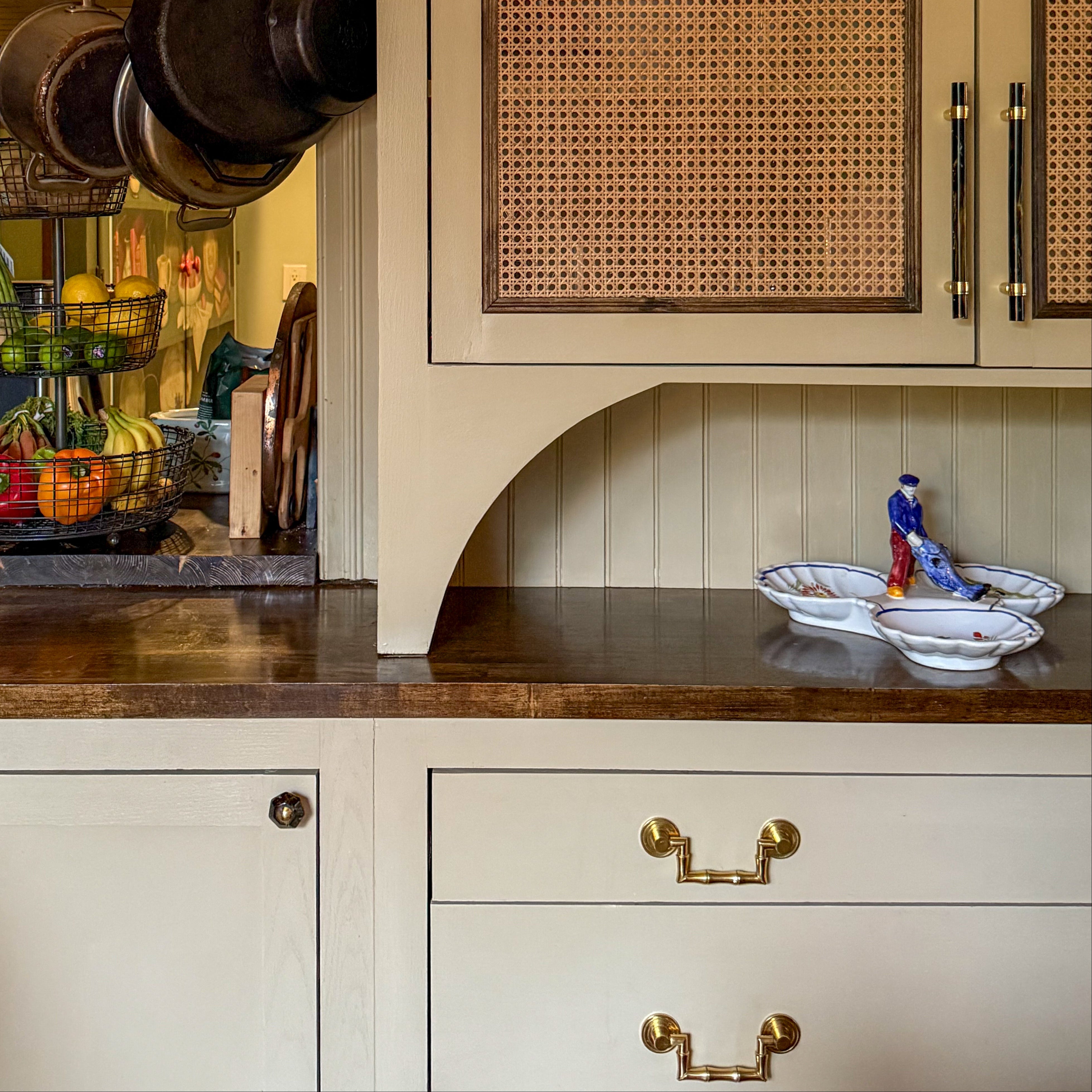
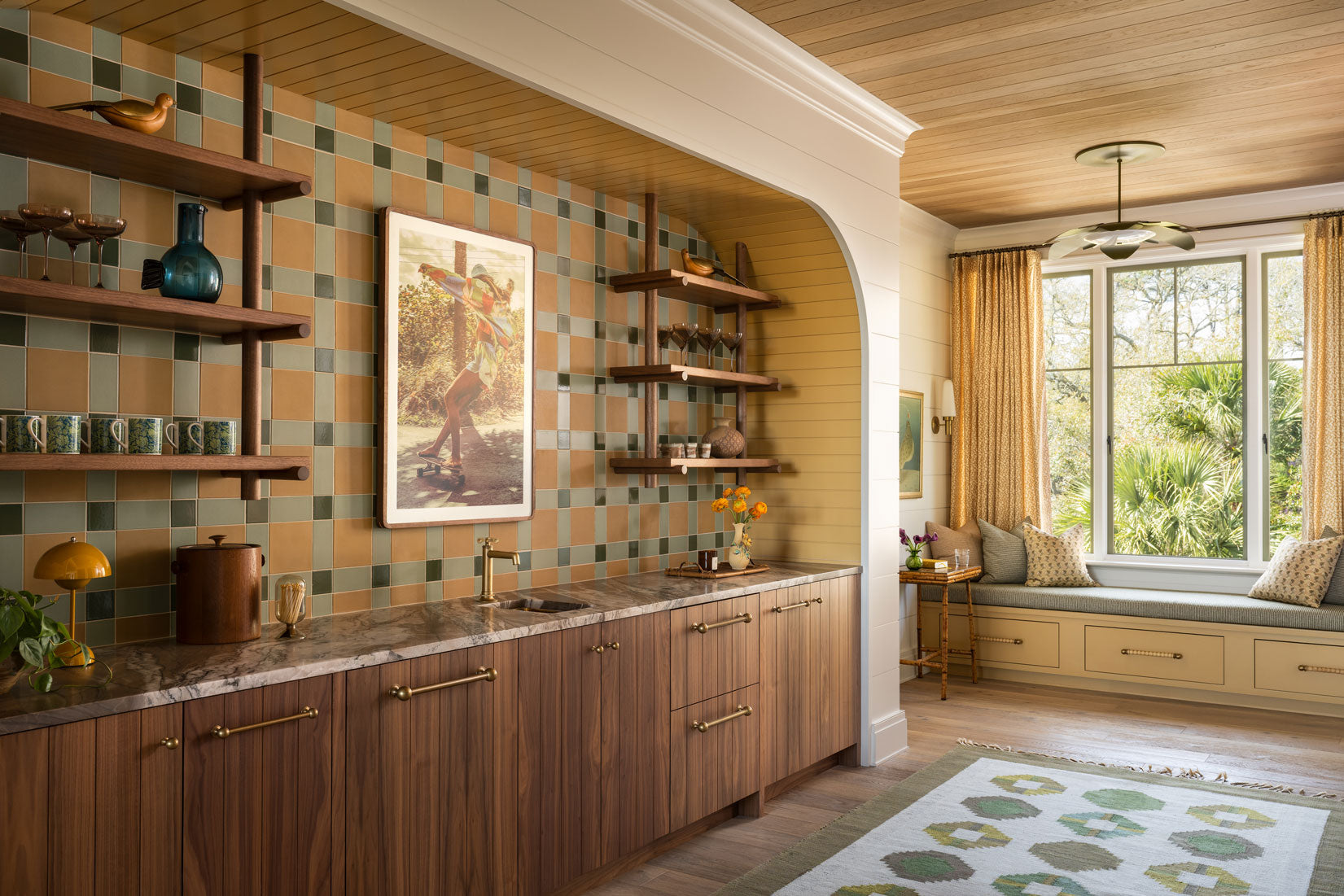
Bar pulls have a clean, straight shape that works well in modern and transitional spaces. They are easy to grip and can be placed horizontally on drawers or vertically on doors to match the layout of your cabinets. This establishes a consistent visual rhythm while maintaining ease of use throughout the cabinetry.
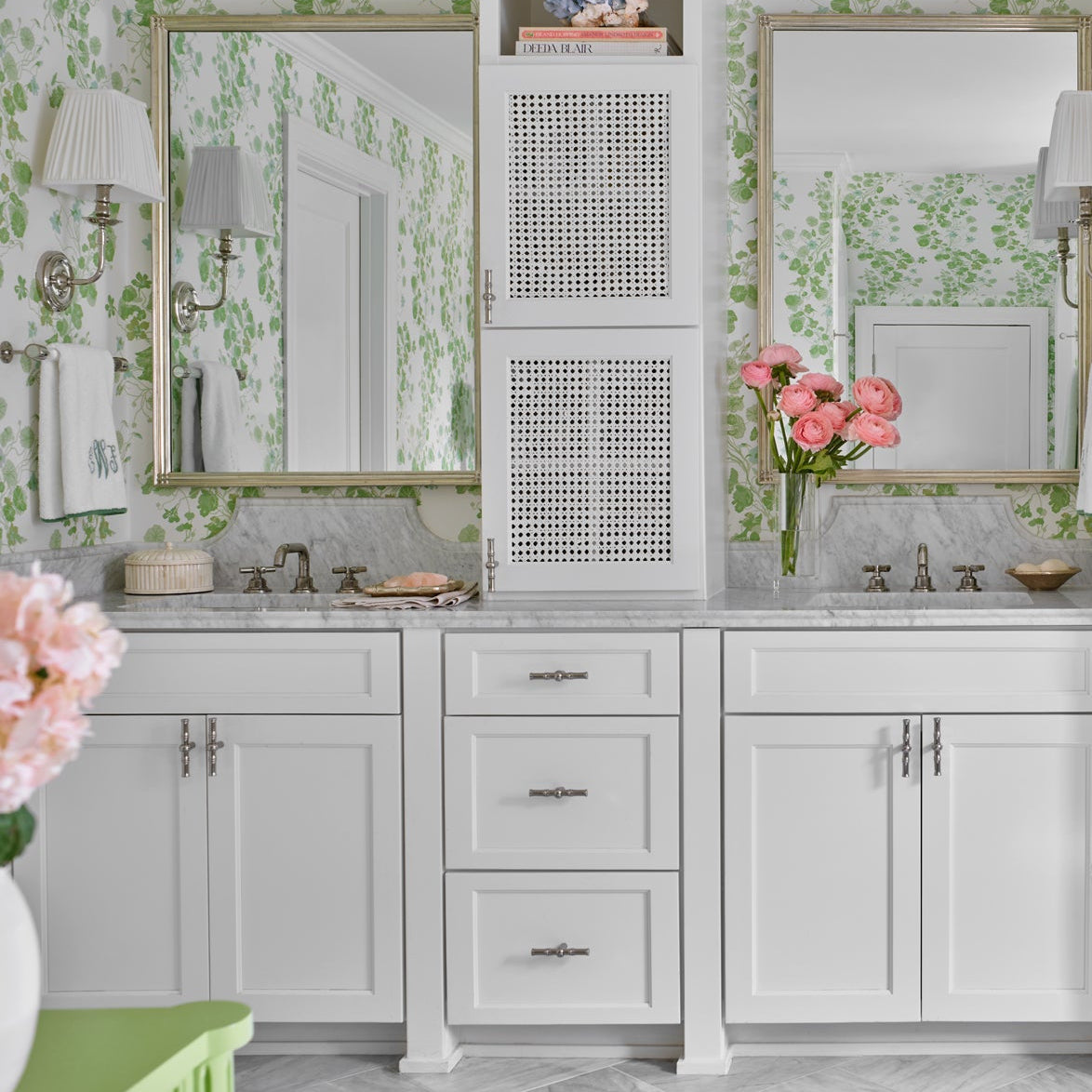
T-bar pulls offer a simpler version of this style. They are smaller and use one mounting point, which gives them a lighter and more minimal look. Both styles follow the natural lines of the cabinetry, creating a balanced composition that reads as clean and remains intuitive to use.
Interior by Liz Williams Interiors. Photography by Emily Followill Photography
Achieving a Seamless Look with Modern Edge Pulls
Modern edge pulls are designed to sit flush with the cabinet, resulting in a clean, low-profile appearance. Instead of projecting outward, they mount along the top or side edge of doors and drawers, making them easy to grip without adding visual bulk. This understated design is often specified in contemporary and handleless kitchens, where simplicity and clean lines define the aesthetic. Edge pulls offer a sleek solution that blends into the cabinetry while still providing everyday function.
Interior by Happy Hive Design. Photography by Meghan Balcom

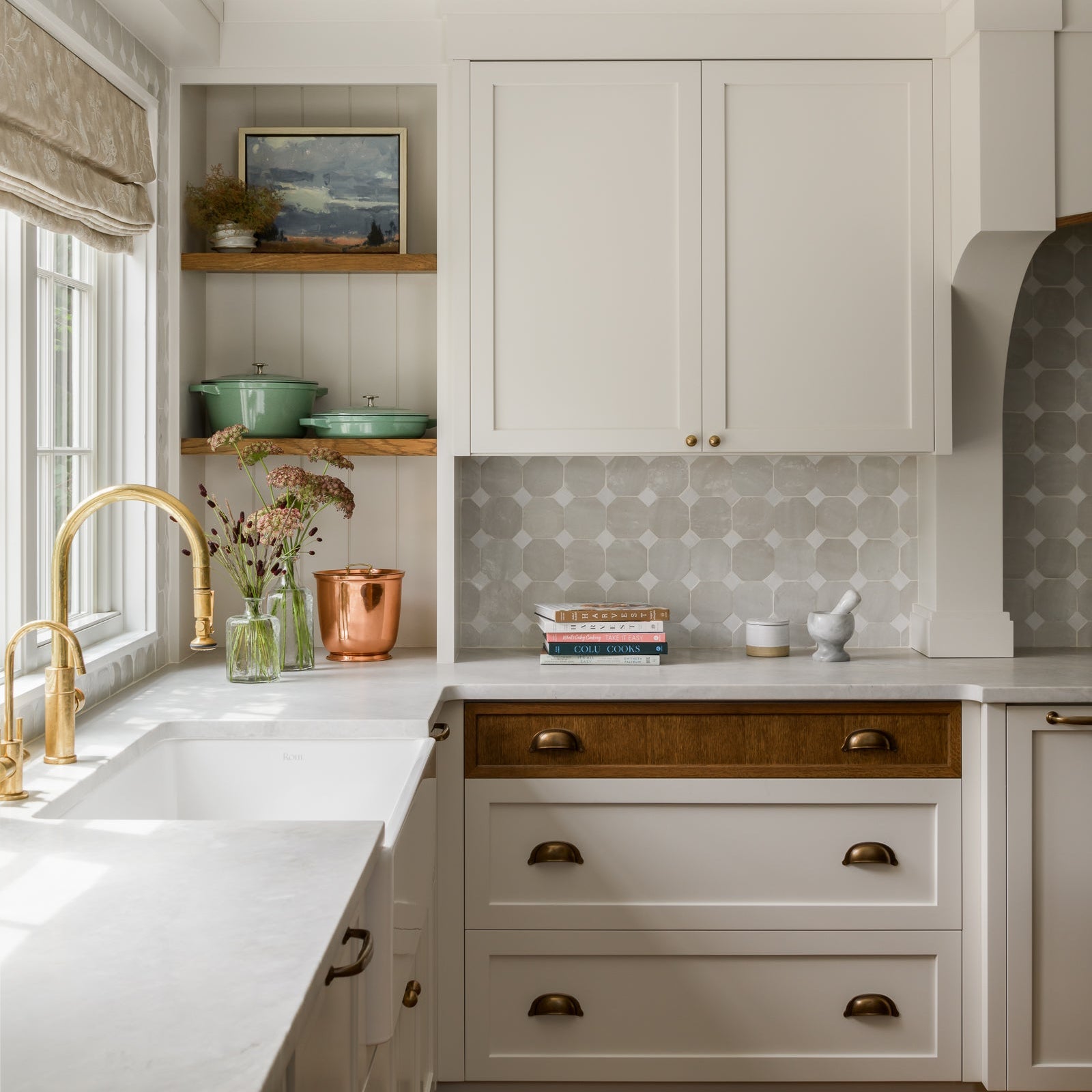
Adding Character with Vintage-Inspired Cup and Bin Pulls
Cup and bin pulls have a curved, half-moon shape that is easy to grip from underneath. This makes them a practical choice for drawers, where comfort and control matter most. Their design adds a sense of character, often seen in farmhouse, rustic, or classic apothecary-style spaces. These pulls work especially well when used only on drawers, creating a layered, timeless composition. They bring warmth and detail to cabinetry while still offering a simple, functional design that feels familiar and intuitive in daily use.
Interior by Mark D. Sikes
Material Matters: Selecting the Perfect Finish for Your Space
The finish of your cabinet hardware plays a defining role in a room’s appearance. From warm tones to cooler metals, each option brings a different feel. Choosing the right finish brings cabinets, fixtures, and the broader design into alignment.
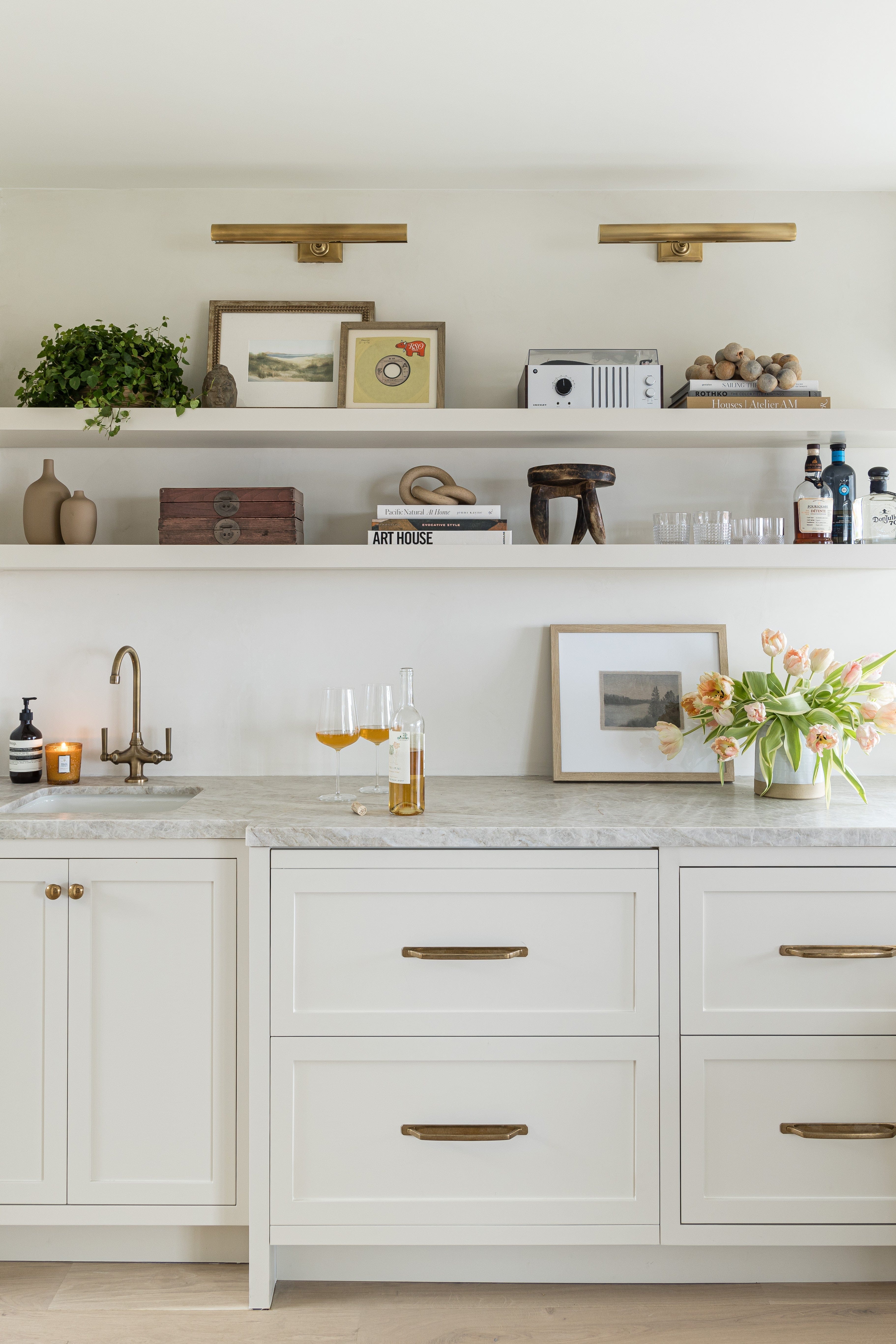
The Warmth and Elegance of Brass Cabinet Pulls
Brass cabinet pulls bring natural warmth to an interior and introduce a more inviting atmosphere. They work across a range of styles, from traditional kitchens to more pared-back contemporary interiors. Unlacquered and hand-polished brass has become a popular choice because it changes over time. As it ages, it develops a soft patina that adds depth and a more lived-in look.
This warmth pairs well with cooler cabinet colors like navy, deep green, or white. Brass balances those tones and prevents the palette from appearing too stark. It adds contrast, but still feels cohesive and refined.
The Pure Salt Collection illustrates how brass can read as both timeless and elevated through thoughtful detailing and high-quality materials.
Interior by Pure Salt

Durability and Sleekness with Stainless Steel Cabinet Pulls
Stainless steel cabinet pulls offer a clean, modern look that works well in contemporary kitchens. Their smooth finish and simple lines give them an industrial edge without feeling too harsh. This makes them especially well-suited to interiors where performance and restraint are equally important.
Stainless steel is also known for its durability. It resists corrosion, holds up well in high-traffic areas, and is easy to clean. This makes it particularly well-suited for high-use kitchens where durability is essential. It also pairs naturally with modern appliances, resulting in a polished and well-integrated design.
Interior by Float Studio
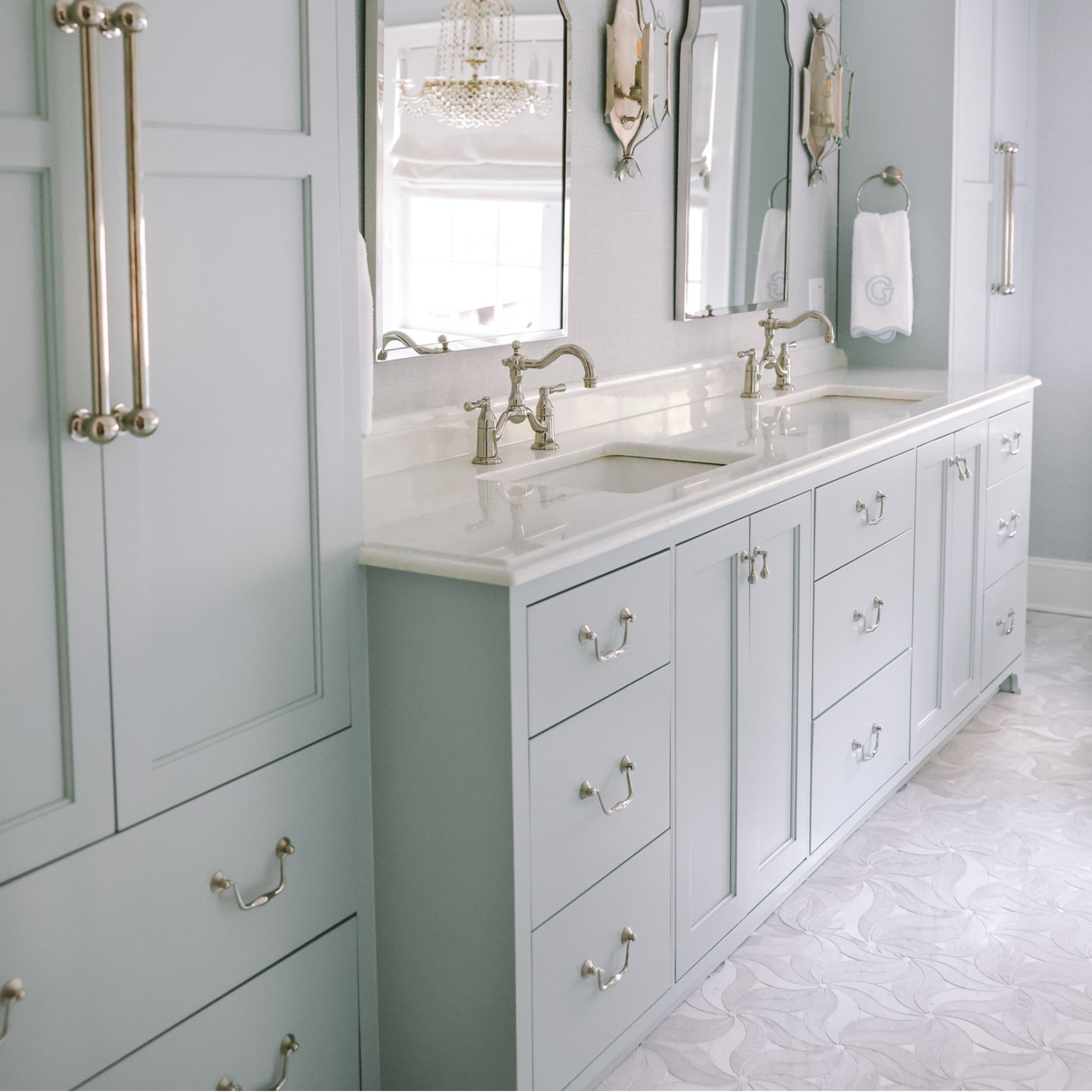
The Versatile Sophistication of Nickel Cabinet Pulls
Nickel cabinet pulls present a refined aesthetic that works across a range of interiors. Polished nickel has a smooth, reflective surface that feels more formal. Satin nickel has a softer, brushed finish that offers a more relaxed appearance and is easier to maintain. Choosing between the two depends on how much sheen you want to bring into the room.
Nickel also has a warmer tone than chrome, which can feel cooler and brighter. This makes it easier to use in both traditional and modern designs. It blends well with different colors and finishes, giving you more flexibility when selecting cabinet hardware finishes.
House of Birdie Interiors. Photography by Kaitlin Gooding
Strategic Cabinet Pull Placement for Function and Symmetry
Cabinet pull placement plays a key role in both function and design. The right placement makes cabinets easier to use while maintaining a clean and balanced appearance. Even subtle adjustments in placement can significantly influence the overall sense of refinement.
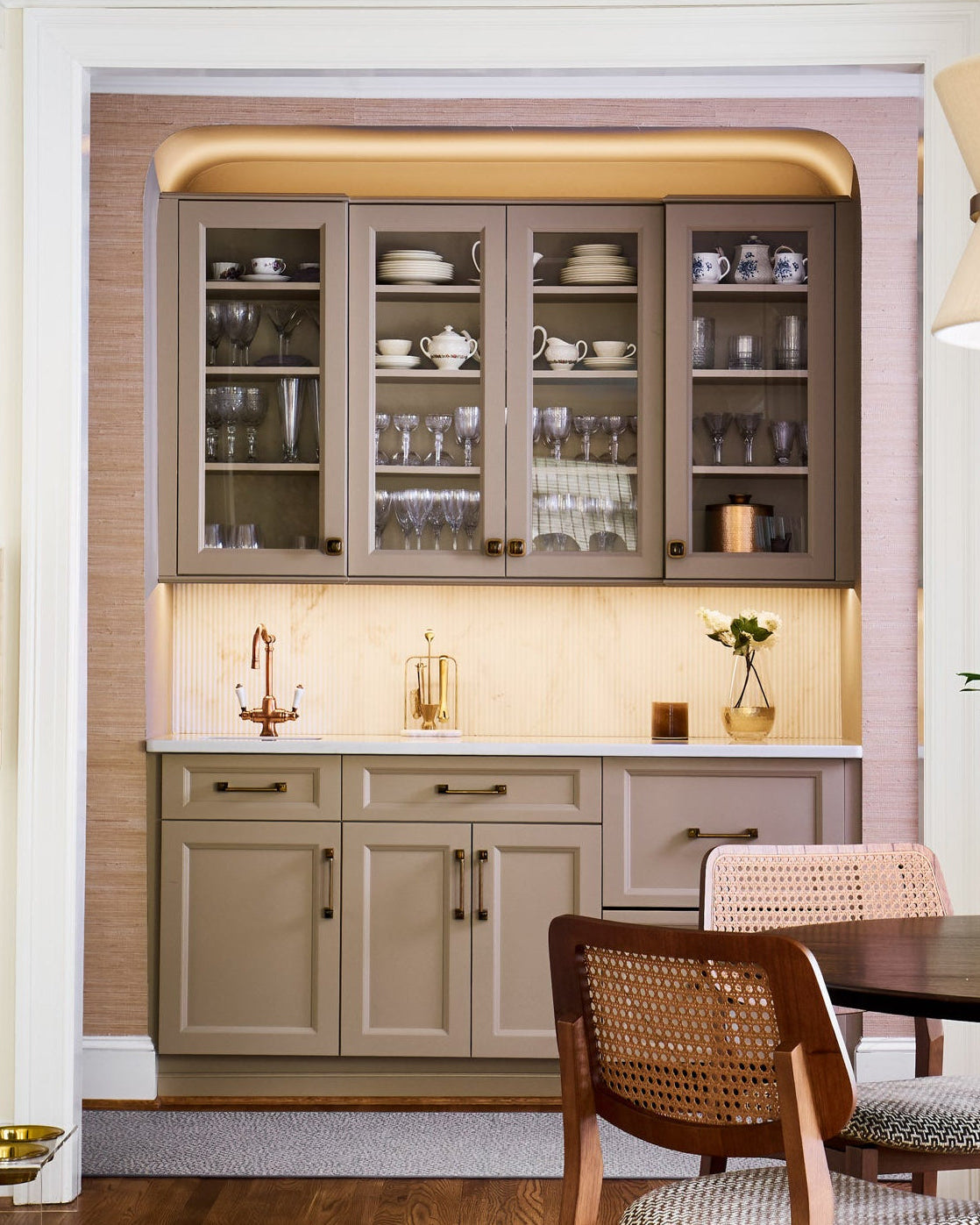
Standard Placement Rules for Shaker and Flat Panel Doors
Cabinet pull placement should follow a few simple rules to keep both function and style in balance. On doors, pulls are usually placed vertically near the outer edge, while drawers use a horizontal position for a more natural grip. This establishes a consistent, intuitive placement across the cabinetry.
For shaker cabinets, the “rule of thirds” is a common guide. Pulls are placed about one-third of the way down on the stile, which keeps the look centered and proportional. Proper placement also makes a difference in daily use. This is especially noticeable on heavier doors, where a well-placed pull improves comfort and control.
Interior by Amanda Loveland. Photography by Peak Visuals
Proportion and Scale: Choosing the Right Length for Large Drawers
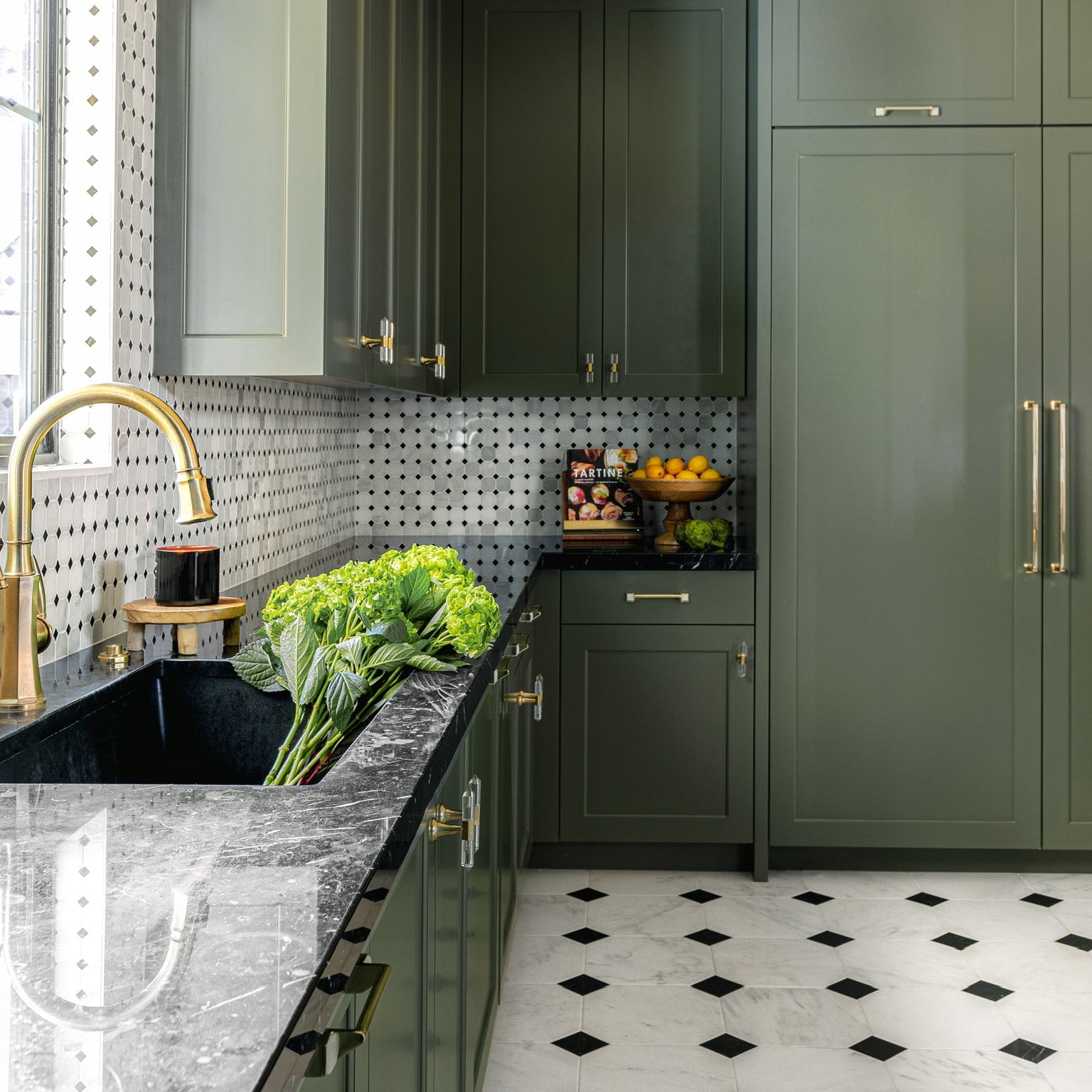
Larger drawers and tall pantry doors often benefit from longer, more substantial pulls. Oversized hardware has become a popular choice because it feels more balanced on wide surfaces and creates a stronger visual impact. It also makes heavier drawers easier to open with less effort.
In some cases, two smaller pulls can work just as well as one long pull, especially when you want a more traditional look. The key is to keep the scale consistent throughout the cabinetry. Matching proportions from one cabinet to the next ensures the entire room reads as unified and well planned.
Interior by Emily Gillrie. Photography by Zolotaia Photographer
Final Selection: Take the Cabinet Hardware Quiz
Choosing the right hardware can feel overwhelming, especially with so many styles and finishes available. Our cabinet hardware quiz narrows down your options based on your space and design preferences. It simplifies the selection process, helping you move toward hardware that aligns with your interior.
Transforming Your Home with Modern Matter Cabinet Hardware
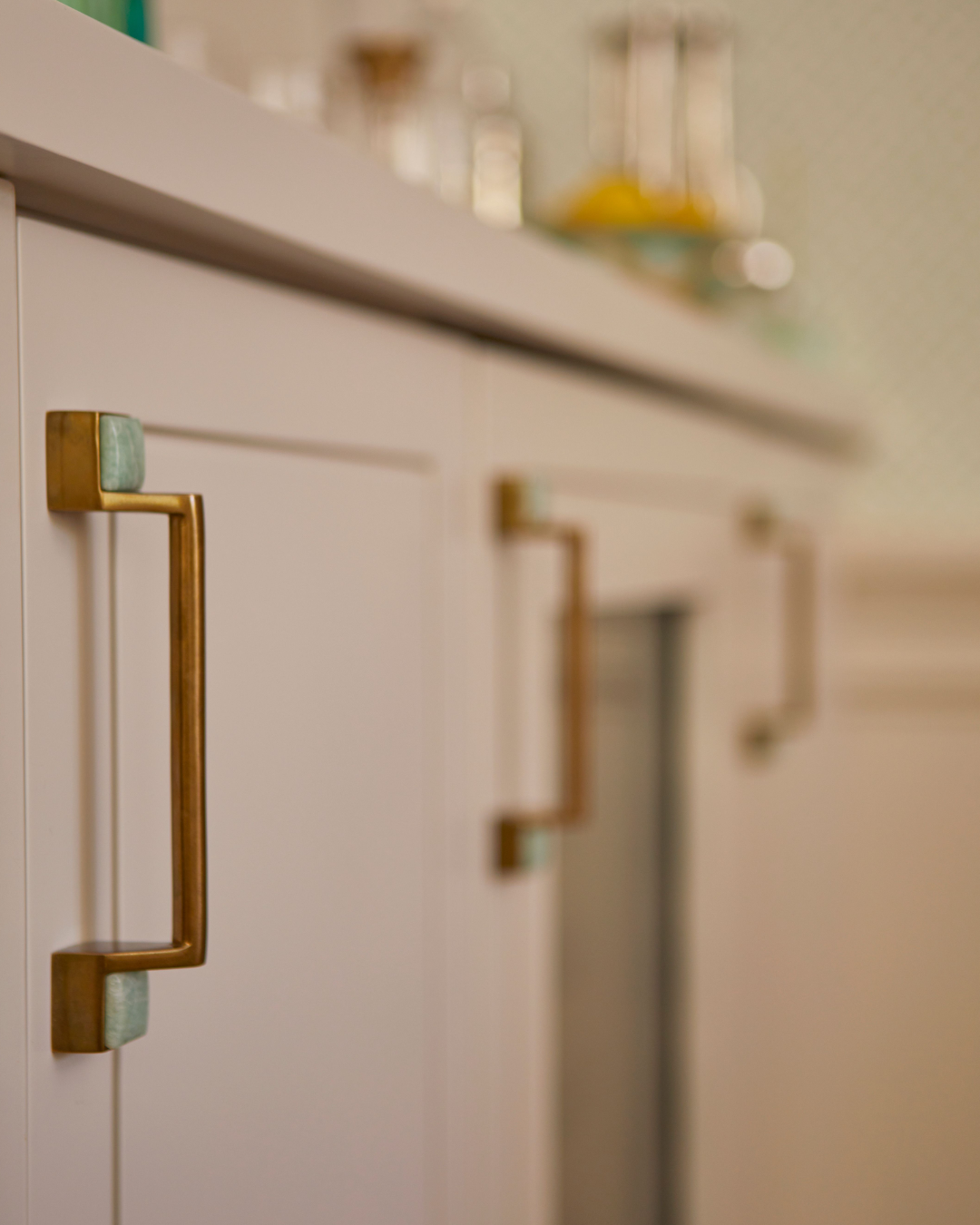
When you’re ready to refine your home’s design, begin by exploring a range of pull styles and finishes to identify what best complements your cabinetry. Consider how each option works with your cabinetry and design. Then, choose hardware that balances function, scale, and style for a clean, cohesive result.
Explore the full collection of luxury cabinet pulls to find the perfect finishing touch for your next design project.